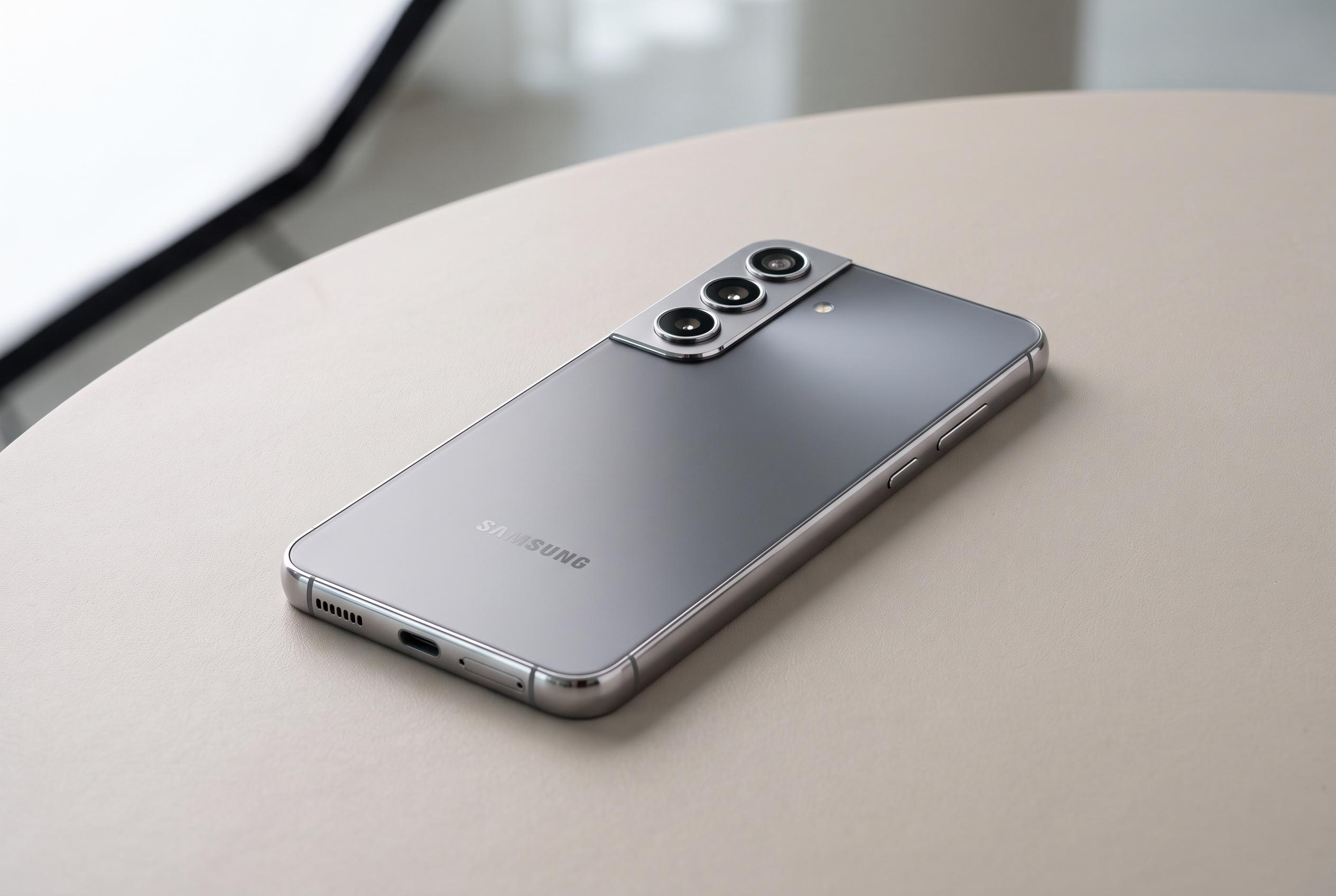

The upcoming Galaxy S26 FE signals a shift in Samsung’s wireless hardware strategy, combining in-house Exynos modems with Qualcomm’s FastConnect system, marking a notable departure from previous models.
Samsung is expected to unveil the Galaxy S26 FE as soon as next month, and early certifications suggest the model may follow a more mixed approach to wireless hardware than its predecessor. While the phone is still widely expected to run on Samsung’s own Exynos chip, Federal Communications Commission filings indicate it will combine Samsung’s cellular hardware with Qualcomm’s FastConnect system for Wi-Fi and Bluetooth, a notable shift from the Galaxy S25 FE, which relied entirely on Samsung-made components for wireless connectivity.
According to the FCC RF exposure documents cited by SamMobile, the Galaxy S26 FE uses Samsung System LSI hardware for WWAN, covering 3G, 4G and 5G, while Qualcomm FastConnect handles WLAN functions. System LSI is Samsung Electronics’ division responsible for Exynos processors, cellular modems and ISOCELL camera sensors, whereas FastConnect is Qualcomm’s wireless platform for Bluetooth and Wi-Fi. That means global and US versions of the phone appear set to pair an Exynos modem with Qualcomm wireless chips, even if the handset itself remains an in-house silicon device.
Other leaks are filling out the picture of Samsung’s next Fan Edition model. SamMobile and Geekbench listings point to the Exynos 2500 processor with 8GB of RAM, while storage options are said to include 128GB, 256GB and 512GB. The reported camera array includes a 12MP front camera, a 50MP main sensor with optical image stabilisation, a 12MP ultrawide lens and an 8MP telephoto camera with 3x optical zoom.
The Galaxy S26 FE has also surfaced in Wireless Power Consortium records and in a real-world image, which appear to confirm a flat frame, rounded corners and a vertically stacked rear camera layout. The WPC listing associates the device with the Qi 2.2.1 standard and a Base Power Profile, suggesting support for ordinary wireless charging rather than built-in Qi2 magnets for automatic alignment. That would keep Samsung’s mid-tier approach fairly conservative, even as the company appears to be experimenting with a new mix of Exynos and Qualcomm parts under the hood.
Disclaimer: This content is intended for informational purposes only. Readers are advised to exercise their own judgement, conduct due diligence, or consult a qualified expert before acting on any information provided.