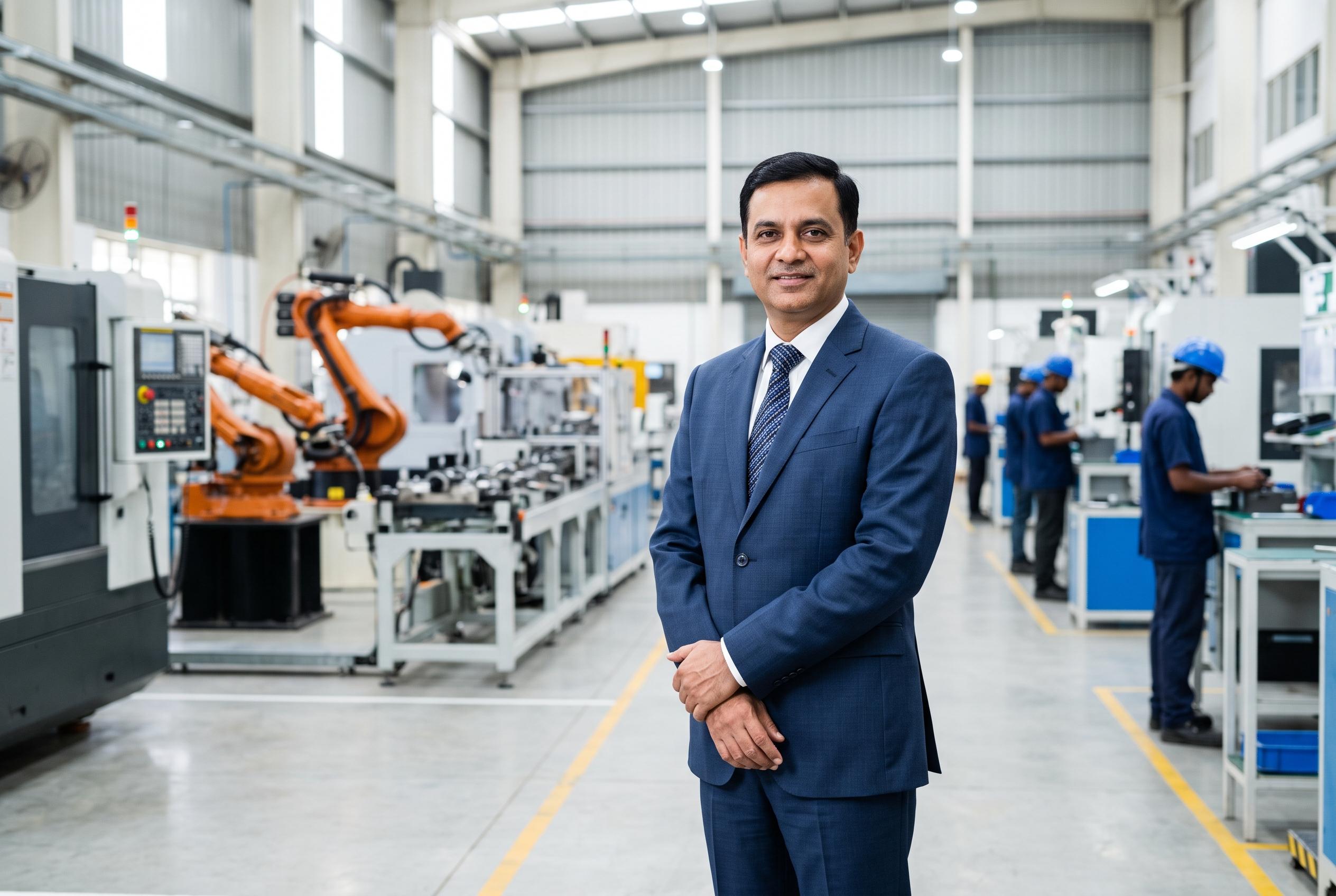

China’s tightening of business visa scrutiny for Indian professionals adds a new obstacle to India’s manufacturing ambitions, highlighting the ongoing reliance on Chinese expertise despite efforts to localise production.
China’s tightening of business visa scrutiny for Indian professionals is emerging as a fresh pressure point in the two countries’ manufacturing relationship. According to The Economic Times, approval rates for Indian applicants have fallen sharply in recent months, with some companies in electronics and automobile contract manufacturing saying success rates have dropped to 20% to 40%. For Indian firms that still rely on Chinese components, machinery and technical advice, the effect is not merely administrative. It can interrupt plant visits, quality checks, installation work and troubleshooting tied directly to production.
That matters because India’s manufacturing base remains deeply connected to China even as New Delhi pushes a broader “China+1” strategy. China Briefing reported in December 2025 that India had streamlined business visas for Chinese professionals, cutting processing times to within a month in an effort to support machinery imports, commissioning work and supply-chain stability. Reuters had earlier reported that India also relaxed rules for Chinese technicians involved in factory installation, maintenance and production-related work. The contrast is now stark: Chinese engineers and executives have been finding it easier to enter India, while Indian business travellers are facing greater barriers to entering China.
The dependence runs through the day-to-day mechanics of manufacturing. Factories often need supplier-side engineers to train staff, inspect lines or resolve faults before a production bottleneck becomes a delay in India. India’s own government acknowledged that reality in a 2024 Rajya Sabha reply, saying business visas were being issued to Chinese specialists, engineers and technical personnel engaged by Indian companies under the Production Linked Incentive scheme and related programmes. That dependence helps explain why a change in visa policy can ripple across factory floors far from the border.
The wider backdrop is a manufacturing system still in transition. The Economic Times reported in March that Chinese executives from firms including Oppo, Xiaomi, Hisense, Haier and Midea had resumed business trips to India after years of restrictions, a sign that bilateral commercial ties were thawing. At the same time, industry reporting has warned that Beijing’s tighter supply-chain controls could complicate India’s ambitions to become a larger electronics manufacturing hub. The practical lesson is clear: India can localise more production, but until it reduces its dependence on Chinese inputs and expertise, a visa decision in Beijing can still slow work in India.
Disclaimer: This content is intended for informational purposes only. Readers are advised to exercise their own judgement, conduct due diligence, or consult a qualified expert before acting on any information provided.