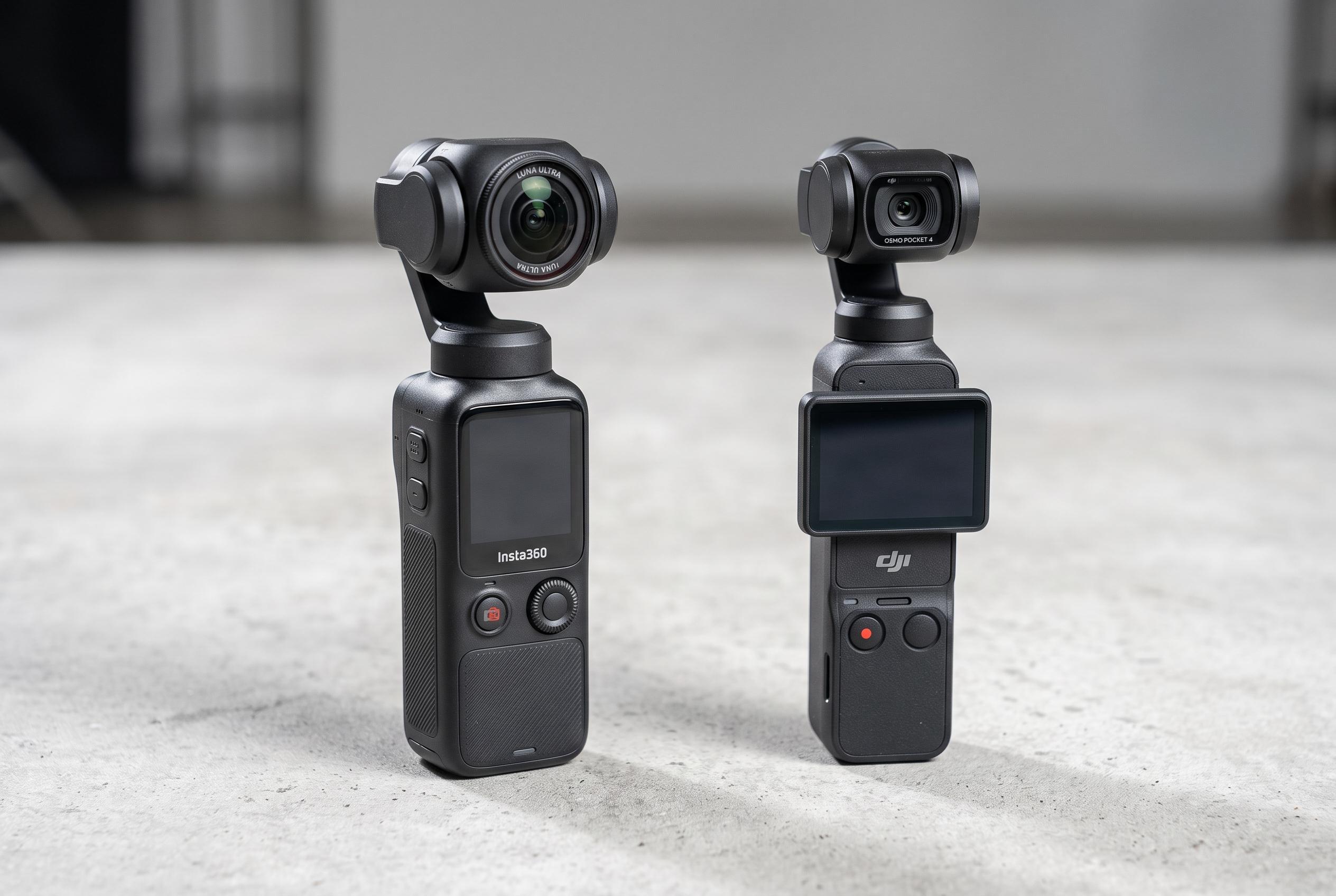

Two leading compact cameras, the Insta360 Luna Ultra and DJI Osmo Pocket 4, cater to different shooting styles with distinct hardware and features, reflecting a notable divide in portable filmmaking.
Compact camera buyers are being offered two very different propositions in the Insta360 Luna Ultra and DJI Osmo Pocket 4. The comparison is less about which device is universally better than which shooting style it serves. Insta360’s model is pitched as the more ambitious tool, with 8K recording, dual lenses and a detachable screen aimed at users who want more framing options and post-production latitude. DJI’s camera, by contrast, leans into simplicity, portability and dependable image quality, with a 1-inch sensor and a design intended to stay out of the way while still producing polished footage.
The clearest divide is in imaging hardware. According to Gizmochina and TechRadar, the Luna Ultra combines an ultra-wide 20mm lens with a 60mm telephoto option, giving it a two-camera approach in one body. It also supports 8K video, 4K at 120fps and 10-bit colour, with Leica colour profiles and log recording for editing workflows. DJI’s Osmo Pocket 4 takes a more restrained route, but Digital Trends says its 1-inch CMOS sensor is tuned for low-light capture and reaches 4K at up to 240fps, alongside 10-bit D-Log and 14 stops of dynamic range.
That difference in hardware shapes how each camera handles real-world shooting. The Luna Ultra is better suited to creators who want flexibility in framing, including telephoto perspectives and subject tracking. TechRadar says it also adds PureVideo mode for low-light scenes, 32-bit float audio and a detachable OLED controller that makes solo operation easier. The Osmo Pocket 4 is built more for straightforward use, with a stabilised gimbal design that should appeal to travellers, vloggers and anyone who wants smooth footage without much setup.
Colour handling is another area where the two diverge. The supplied comparison says the Osmo Pocket 4 tends to produce natural skin tones and needs less correction for people shots, while the Luna Ultra aims for consistency across its zoom range and more controlled tonal rendering. Gizmochina notes that Insta360 has also added in-camera face recognition and skin-smoothing tools, which points to a stronger focus on creator convenience, even if that means some users may still prefer to fine-tune footage later.
Audio and workflow round out the decision. Both cameras appear capable for casual recording, but neither is likely to replace a proper external microphone for professional sound. Insta360’s support for 10-bit I-Log+ and compatibility with DaVinci Resolve, Adobe Premiere Pro and Final Cut Pro will matter to editors who want a smoother post-production pipeline. DJI’s emphasis is different: keep the camera compact, keep the interface simple and make it easy to shoot quickly with minimal friction. For buyers, the choice comes down to priorities. The Luna Ultra is the more feature-rich creative tool. The Osmo Pocket 4 is the more practical everyday companion.
Disclaimer: This content is intended for informational purposes only. Readers are advised to exercise their own judgement, conduct due diligence, or consult a qualified expert before acting on any information provided.