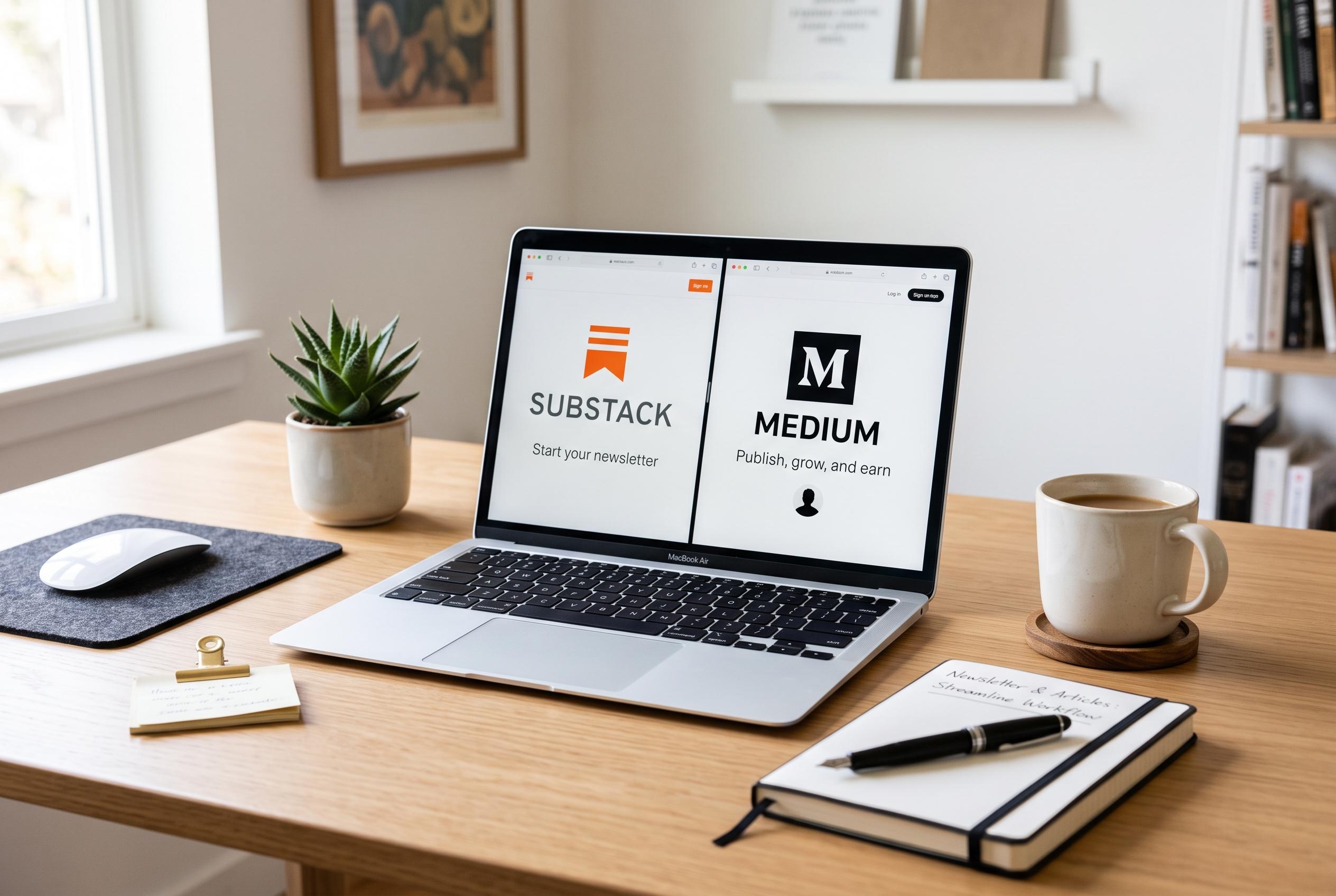

Creators and small-business owners are urged to focus on selecting the most effective tools that eliminate bottlenecks, with platforms like Substack and Medium offering distinct advantages for publishing, audience growth, and monetisation. Strategic tool choices can streamline workflows and enhance revenue streams in an increasingly complex digital landscape.
For creators and small-business owners, the hard part is often not finding tools but choosing the right ones. The best stack is usually the smallest one that removes a real bottleneck: publishing, collecting email subscribers, scheduling social posts or turning attention into revenue. The practical advice from the lead article is sound. Do not try to buy everything. Pick one tool for the task that currently slows you down, set it up properly and only move on once it works without constant manual effort.
That approach also reflects how modern publishing platforms are changing. TechRadar says Substack has become a strong option for writers who want to earn directly from readers through subscriptions, with a simple interface that combines publishing, basic analytics and community features. Its appeal is ease of use and a built-in email-first model, although that simplicity comes at the cost of advanced design, automation and customisation. For creators whose main aim is to build a loyal audience and monetise newsletters, that trade-off can be worthwhile.
Medium offers a different route. TechRadar describes it as closer to a social network for long-form writing than a traditional blog, with the advantage of built-in discovery that can put stories in front of large audiences without heavy promotion. That makes it useful for writers who want reach before infrastructure. But it is less of a business control centre than a dedicated website platform, so it suits creators who value distribution over deep brand ownership. In practice, many creators now use one platform for audience growth and another for their own list and commercial offers.
Monetisation also needs to be treated as a system, not a single tactic. TechRadar’s 2026 blogging guide points to a mix of revenue streams, including display ads, affiliate marketing, sponsored posts, digital products, memberships, coaching and consulting. It also stresses that an email list remains central because it gives creators a direct channel they control. HubSpot’s round-up of blogging tools makes a similar point, noting that the right software depends on whether a creator wants fast setup, automation or finer control as the business matures.
Social management tools matter in the same way. Blogging Tips highlights platforms such as Agorapulse for creators who need to schedule posts, monitor engagement and manage replies from one dashboard. That kind of tool is less about glamour than consistency. Once a creator is posting across several channels, manual management becomes a drain on time and attention. The best system is the one that reduces repetition, supports regular output and leaves more time for the work that actually builds an audience: writing, publishing and selling something useful.
Disclaimer: This content is intended for informational purposes only. Readers are advised to exercise their own judgement, conduct due diligence, or consult a qualified expert before acting on any information provided.