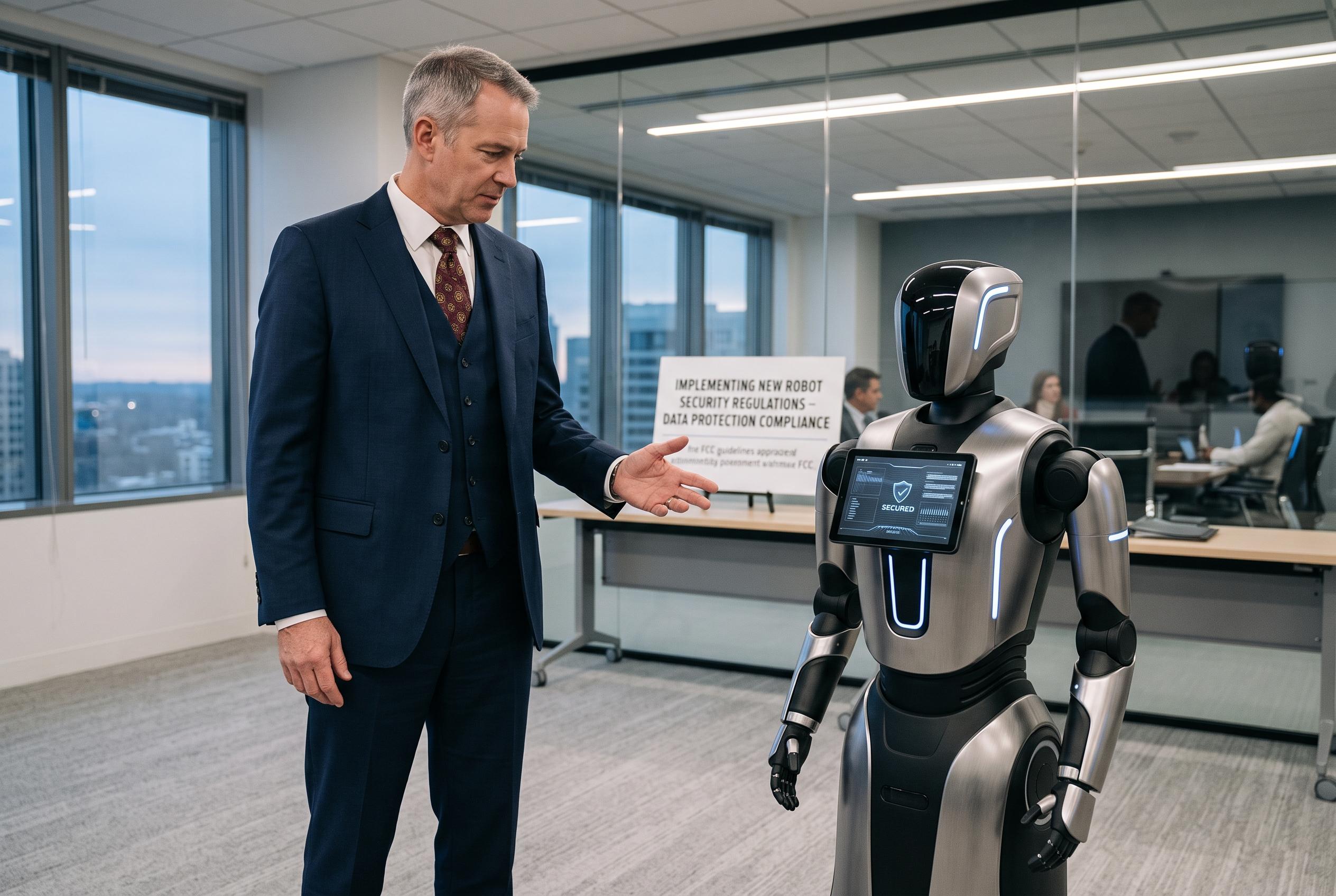

The Federal Communications Commission has introduced new regulations targeting the security of advanced robotic devices, aiming to protect sensitive data amidst growing geopolitical and consumer concerns about interconnected home and workplace machines.
The Federal Communications Commission has moved to tighten rules around advanced robotic devices, a shift that could affect some robot vacuum cleaners as well as other connected machines that move around homes and workplaces. According to PCWorld, the change reflects growing concern that these devices can gather sensitive data, including floor plans, camera images and other information that could be exposed if security is weak.
The core issue is not the cleaning function itself but the networked features increasingly built into premium models. Many high-end robot vacuums now rely on cameras, LiDAR sensors and cloud software to map rooms, avoid obstacles and improve navigation. That makes them more capable, but also creates more ways for data to be intercepted or misused if manufacturers do not build in strong protections, PCWorld reported. CNBC said the FCC is treating these systems as part of a wider class of advanced autonomous devices, including humanoid and quadruped robots.
Security concerns have also been sharpened by demonstrations showing how consumer robots can be manipulated. The Verge reported on a deliberate hack of a robot lawn mower, used to illustrate how a connected device can become a remote-access risk if safeguards are inadequate. That kind of example helps explain why regulators are looking beyond laptops and phones to everyday appliances that now behave like small mobile computers.
There is also a geopolitical dimension. PCWorld reported that officials are wary of becoming too dependent on overseas suppliers for the next generation of connected robots and devices. In that sense, the new rules fit a broader U.S. policy trend that has already reached networking gear and other products sitting at the centre of home connectivity. For consumers, the immediate effect may be limited, but the regulatory direction is clear: if a robot can see, map and connect, it will be judged by the security risks that come with those abilities.
Disclaimer: This content is intended for informational purposes only. Readers are advised to exercise their own judgement, conduct due diligence, or consult a qualified expert before acting on any information provided.