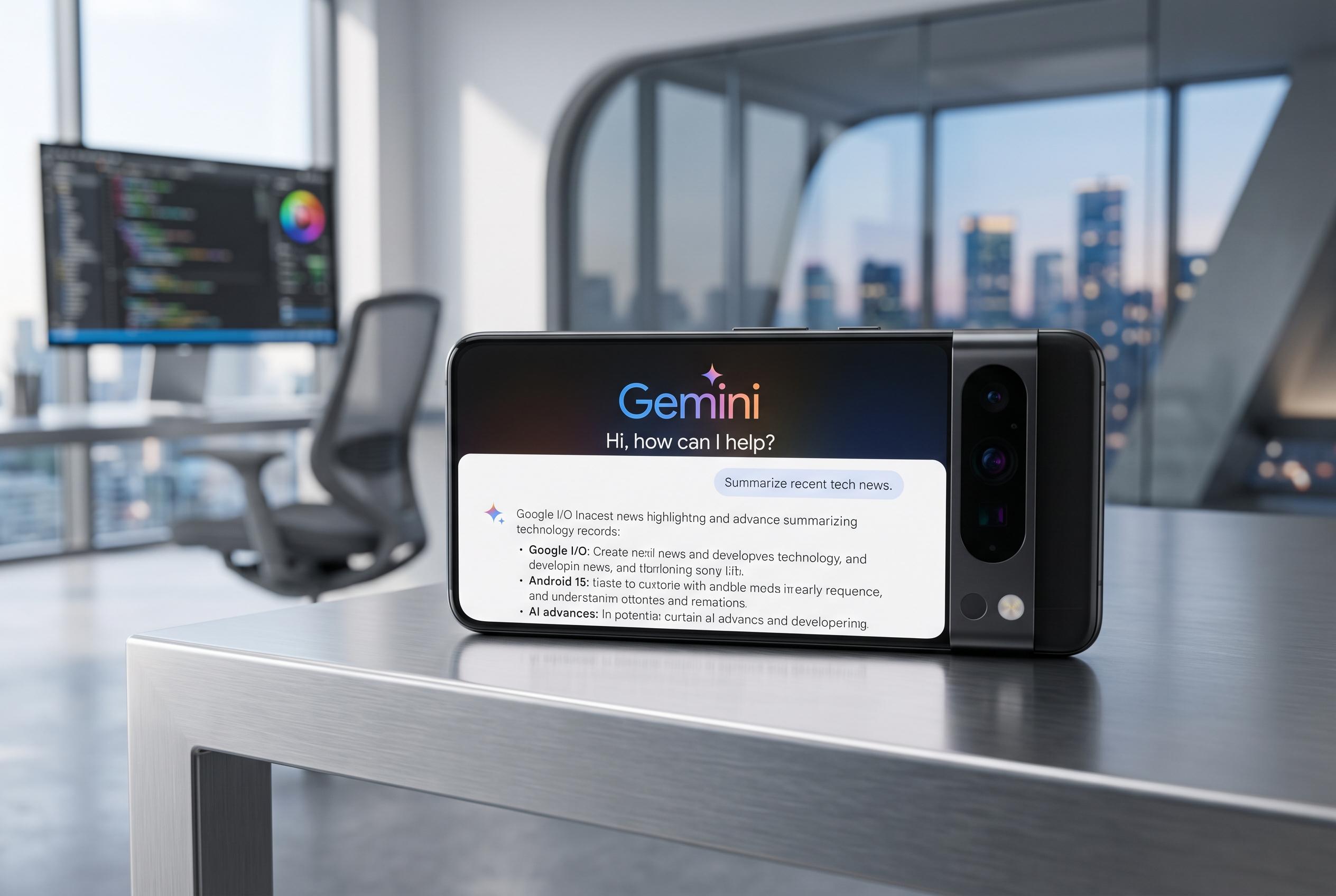

Google is set to phase out Google Assistant on Android devices from September 2026, replacing it with Gemini, a more advanced AI assistant supporting multi-device conversation syncing and voice control improvements.
Google is moving Google Assistant into retirement on Android from September 4, 2026, with Gemini becoming the default assistant on supported phones, tablets and Wear OS watches. The company has told existing users by email that Assistant on mobile is being discontinued and that Gemini is now the assistant experience on Android. According to Google, the change will roll out over several weeks, so not every device will lose Assistant at the same time.
The switch covers Android phones and tablets, Wear OS watches, compatible headphones and earbuds, and Android Auto when it runs through a connected phone. Vehicles with Google built in, which use Android Automotive, are expected to keep Assistant beyond the September deadline. TechRadar and Tom’s Guide reported that Gemini is also intended to support the familiar “Hey Google” wake phrase and to sync conversations across devices by default.
The retirement marks the end of an assistant that launched in 2016 as Google’s answer to Siri and Alexa. Google had previously aimed to complete the transition in 2025 but pushed the timetable into 2026 while Gemini matured. During the overlap period, users could still fall back to Assistant for tasks Gemini handled less reliably. Once removal reaches a device, that option disappears, and users will not be able to return to Assistant on that hardware.
For most people, the change will happen automatically, but users who rely on voice controls should test routines in advance, especially alarms, smart-home commands, navigation and device shortcuts. Businesses that manage Android fleets may also need to review access controls and compatibility before the cutover. Google’s support material says Gemini settings can be adjusted, including voice activation and the default assistant choice, which may help organisations and individuals customise the transition. The move fits a wider industry shift towards generative AI assistants, with Amazon rebuilding Alexa around AI and Apple working on a more capable version of Siri.
Disclaimer: This content is intended for informational purposes only. Readers are advised to exercise their own judgement, conduct due diligence, or consult a qualified expert before acting on any information provided.