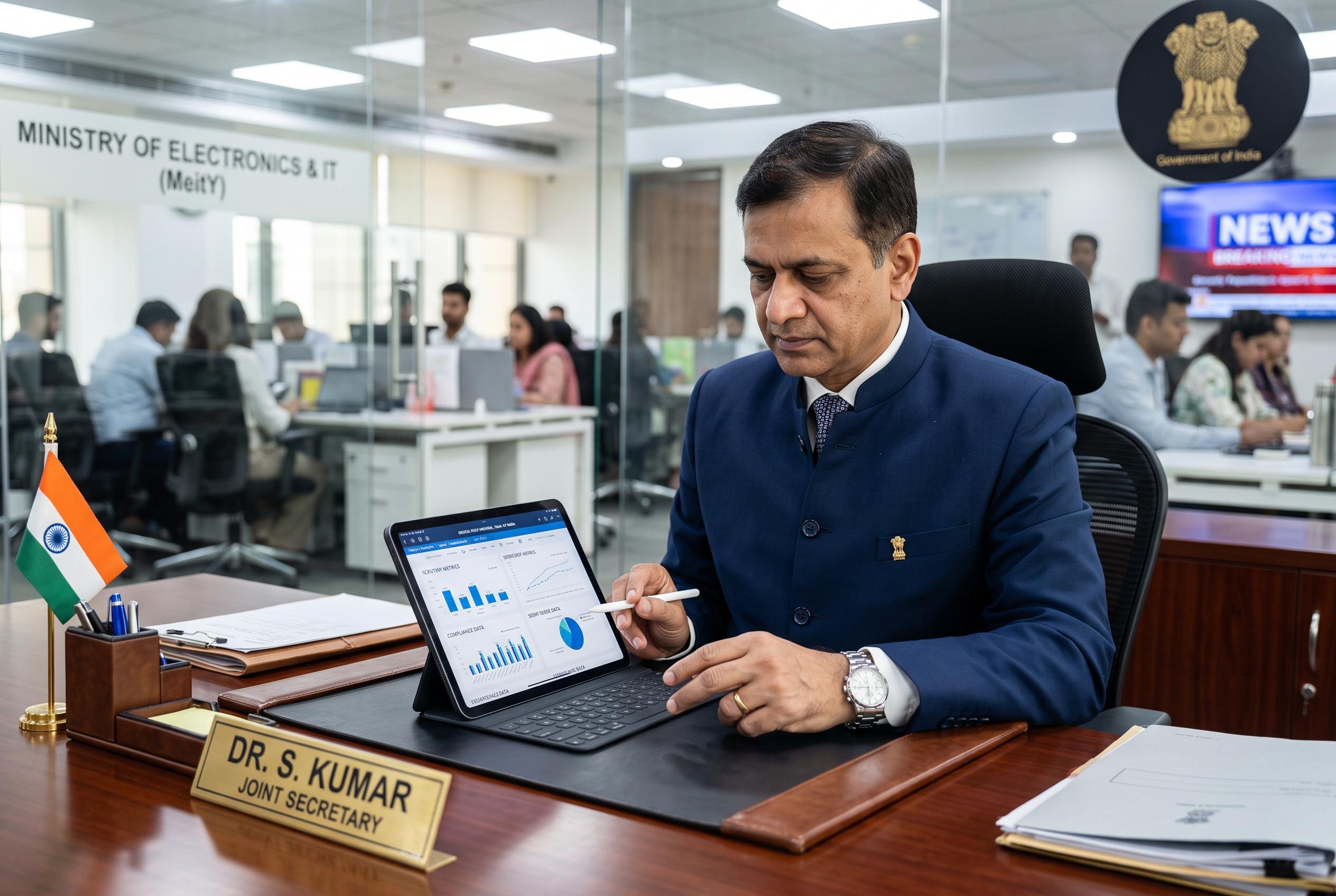

Indian authorities are scrutinising Meta’s Instagram platform over its content recommendation systems’ transparency, alleged bias in political posts, and handling of child sexual abuse material, amid rising regulatory tensions.
Meta is facing heightened scrutiny in India over how Instagram ranks, reduces and promotes content, as authorities examine whether the platform’s systems have treated political and public-interest posts unevenly and whether they comply with local law. Officials are asking Meta to explain the signals used by its recommendation tools, including how Indian-language posts are handled compared with English-language material, according to the reporting.
The review comes against a backdrop of concerns about the visibility of political content on Instagram, where users have relied on the platform to circulate videos, first-hand accounts and updates during recent protests. The government is particularly interested in whether recommendation systems amplified anti-government material or demoted similar content without clear explanation, raising wider questions about transparency in how large platforms shape public debate.
The company is also under separate pressure over child sexual abuse material in paid Instagram advertisements. Meta has said in a blog post that it treats child exploitation as a serious crime and uses a combination of review systems, artificial intelligence and enforcement tools to detect and remove suspicious accounts. The company said it removed more than 4 million such accounts last year and 160,000 accounts in India over the past six months. The Ministry of Electronics and Information Technology has received Meta’s response to its notice on the issue and is reviewing it before deciding whether to take further action.
That notice followed reports that advertisements linked to child sexual abuse material had appeared on Instagram. Indian officials have said the company was given seven days to respond and warned that legal action could follow under the Information Technology Act and the Protection of Children from Sexual Offences Act if the matter is not addressed. The government has also intensified scrutiny of Meta’s wider content moderation and ad review systems, including their handling of online fraud, deepfakes and automated bot accounts.
Meta has separately raised concerns about India’s three-hour takedown rule for harmful content, saying the deadline may be difficult to meet in practice. Rob Sherman, Meta’s vice-president of policy and deputy chief privacy officer, said the company believed the government should have discussed the operational difficulties of the rule before enforcing it. That dispute adds another layer to a broader regulatory relationship that is becoming more contentious as India pushes platforms to take faster action while also demanding more transparency about how their systems work.
Disclaimer: This content is intended for informational purposes only. Readers are advised to exercise their own judgement, conduct due diligence, or consult a qualified expert before acting on any information provided.