
Samsung introduces the Galaxy Watch9 and Galaxy Watch Ultra2, emphasising health monitoring, autonomous connectivity, and ecosystem integration amid hardware innovations and new pricing strategies.
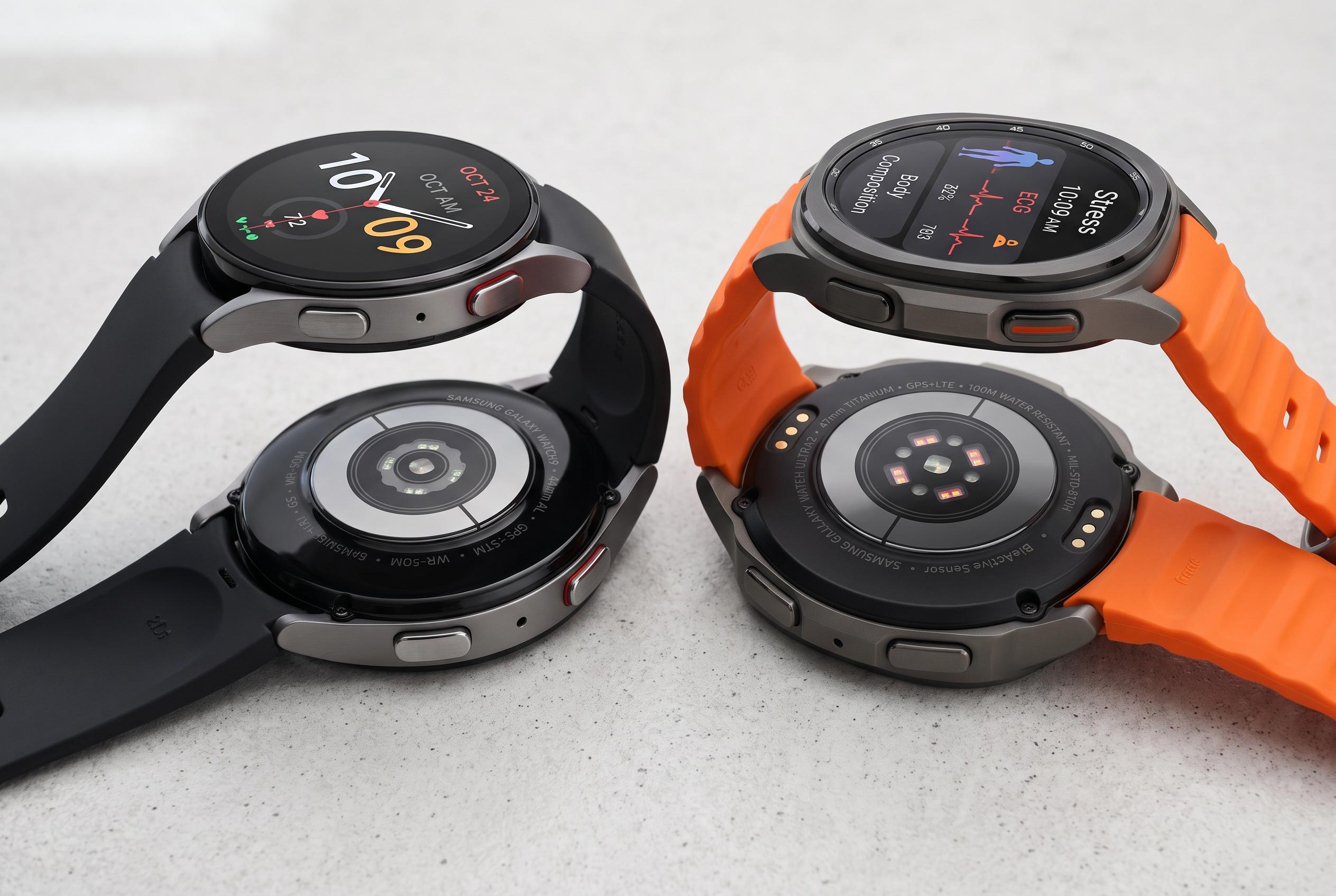
Samsung has put its newest smartwatch range on sale, led by the Galaxy Watch9 and the Galaxy Watch Ultra2. According to Samsung’s launch materials, both models went on general sale on August 7 after a pre-order period that began on July 22 in selected markets. The company is positioning the pair as health-focused wearables built on Wear OS 7 with One UI 9 Watch, with shared features such as a health dashboard, Energy Tracking and Sleep Apnoea Detection.
The larger story is the hardware split. Samsung says the Galaxy Watch Ultra2 keeps its 47 mm titanium body, adds a 5,000-nit AMOLED panel and uses an 800mAh battery, while also targeting outdoor and endurance users with trail-running metrics and dive guidance certified for recreational diving to 40 metres. The standard Watch9 is lighter, uses an aluminium case, comes in 40 mm and 44 mm sizes and carries a 3,000-nit display and 390mAh battery. Android Central notes both watches use Qualcomm’s Snapdragon Wear Elite chipset, with the Ultra2 also getting 2GB of RAM and 64GB of storage.
Pricing is aimed at two different buyers. Samsung lists the Watch9 from $379.99 and the Ultra2 at $699.99 in the US, while Android Central reports the Watch9 at $379 for Bluetooth and $429 for LTE in the 40 mm model, with slightly higher pricing for the 44 mm version. Techaeris reports that launch incentives include up to $100 in Samsung Credit on the Ultra2, $50 on the Watch9 and as much as $250 in instant trade-in value for eligible older watches, while Amazon is also being used for bundle promotions.
The wider pitch is ecosystem convenience. Both watches support LTE, so they can handle calls, messages and streaming without a nearby phone, and Samsung is emphasising contactless payments, camera control and synced health data across its devices. That makes the launch less about a single product refresh and more about keeping users inside Samsung’s Android wearable ecosystem, where health monitoring, remote connectivity and battery life now appear to be the main competitive battlegrounds.
Disclaimer: This content is intended for informational purposes only. Readers are advised to exercise their own judgement, conduct due diligence, or consult a qualified expert before acting on any information provided.