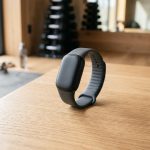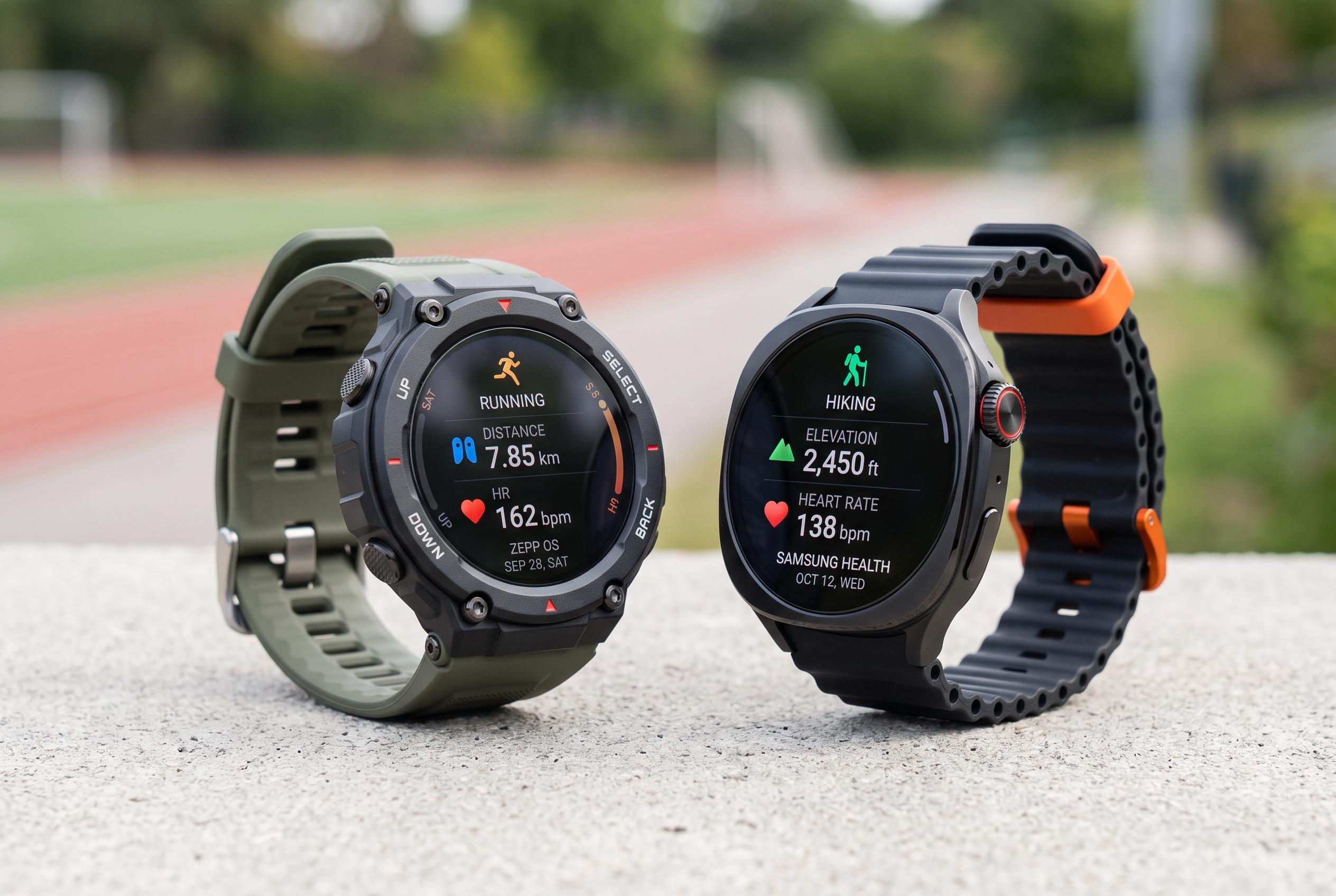

A comprehensive week-long test of four leading smartwatches reveals that the Amazfit T-Rex 3 Pro delivers the most consistent fitness data, whereas Samsung’s Galaxy Watch Ultra 2 excels in feature breadth and sleep analysis, highlighting disparities in sensor accuracy and overall performance.
A week of wearing four smartwatches at once offered a blunt lesson for anyone shopping for a fitness watch: not all sensors tell the same story. In side-by-side sleep, running and race tests, the Amazfit T-Rex 3 Pro emerged as the most consistent tracker overall, while Samsung’s Galaxy Watch Ultra 2 stood out for breadth of features and a strong sleep package. The Honor Watch 6 and OnePlus Watch 3 43mm each had strengths, but both showed clear weaknesses in particular areas.
Sleep tracking was the first test. Samsung’s Galaxy Watch Ultra 2 added skin temperature readings, measured against its recent baseline, which gave it an extra layer of health data. The Honor Watch 6 presented the least detail, with much of its analysis condensed into simple ranges rather than deep metrics. The OnePlus Watch 3 43mm offered a clearer presentation than the Honor watch but did not collect as many measures. The Amazfit watch produced the most believable result overall, especially on awake time and sleep score, although its rugged build may make it less comfortable for some users overnight, a concern echoed in other reviews of the model.
Running exposed bigger differences. Across repeated training routes, the Galaxy Watch Ultra 2 and Amazfit T-Rex 3 Pro were the strongest GPS performers, with Honor close behind. The OnePlus Watch 3 43mm was the least accurate in route mapping and also showed strange swings in pace. On other metrics, the pattern repeated: the Honor watch missed altitude, Samsung’s cadence readings were unreliable and the OnePlus device struggled with speed data. Heart-rate tracking was broadly similar across all four, but Amazfit avoided the glaring outliers that affected the others.
The final Spartan race narrowed the comparison to Samsung and Amazfit, since race rules limited how much gear could be worn. On the trail itself, GPS differences were too small to call decisively. The more telling gap was in heart rate and movement data. Samsung’s watch registered several sharp drops that did not match the athlete’s effort and also appeared to miss sections where pace and cadence should have flattened during obstacle queues. Amazfit tracked those pauses more plausibly, which mattered in a muddy, crowded event where the athlete was frequently forced to stop.
That consistency helps explain why the T-Rex 3 Pro remains the author’s preferred training watch. Wareable’s review of the same model notes a broad sensor set and training-readiness insights in the Zepp app, though it also describes the software as clunky. Samsung’s Ultra 2, by contrast, has been praised elsewhere as a highly capable flagship with dual-band GPS, a bright display and strong sleep tracking. But for this particular mix of sleep, road running and obstacle racing, Amazfit delivered the most dependable results.
Disclaimer: This content is intended for informational purposes only. Readers are advised to exercise their own judgement, conduct due diligence, or consult a qualified expert before acting on any information provided.