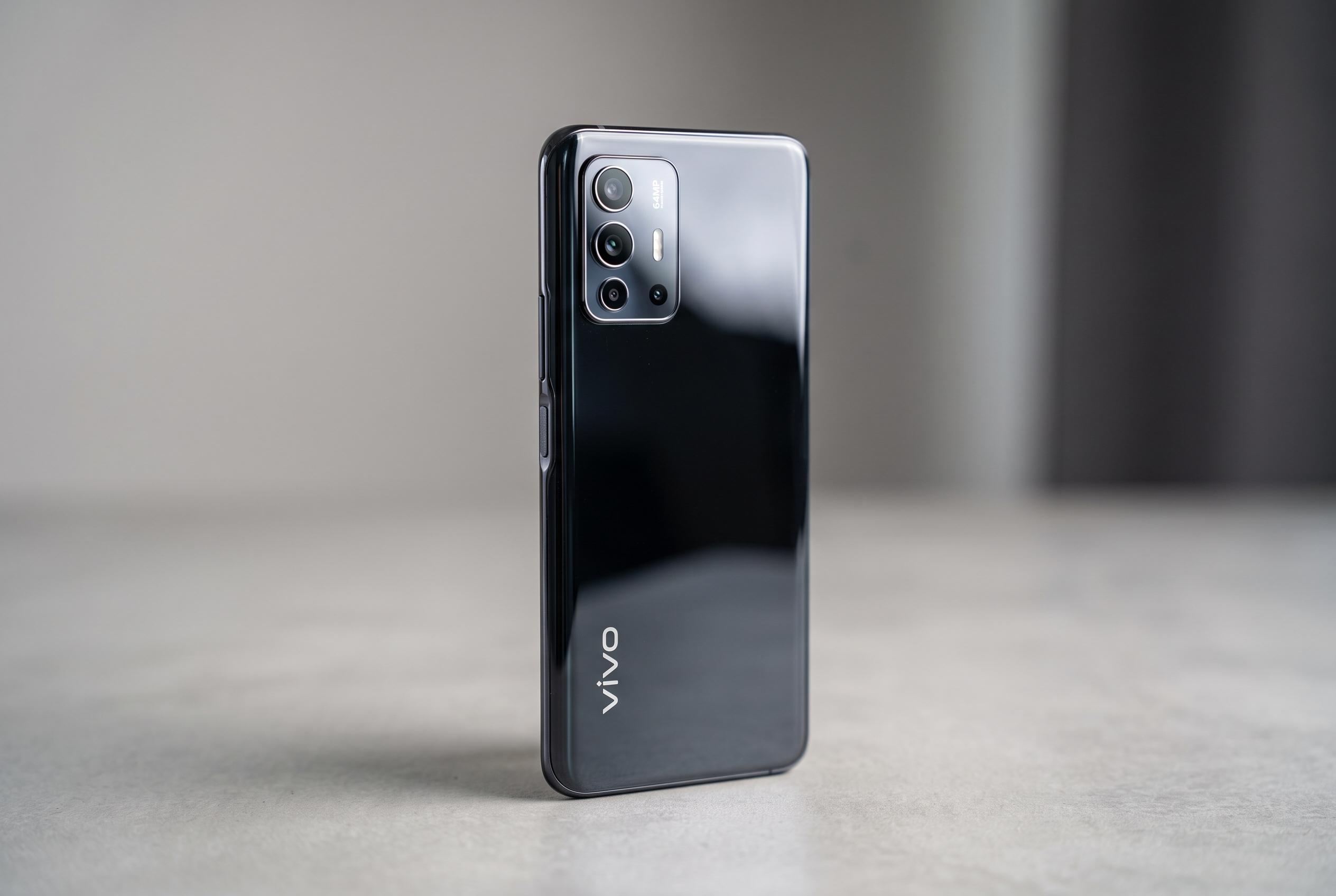

After a seven-year hiatus, Vivo has quietly re-entered India’s S-series segment with the S2 5G, positioning itself as a battery and display-focused challenger to Samsung’s Galaxy A37, amidst fierce competition on pricing and software support.
Vivo has returned to India’s S-series segment after a seven-year gap with the S2 5G, a mid-range handset aimed squarely at Samsung’s Galaxy A37 5G. The launch is notable less for ceremony than for timing: Vivo introduced the phone quietly on August 6, 2026, while Samsung’s A37 has already been in market since April. Samsung now says the Galaxy A37 5G is available in the UK from £399, and it has positioned the device around upgraded “Awesome Intelligence” features and broader mid-range appeal.
On paper, the two phones take different routes to the same price band. Vivo has leaned into battery life and display size, pairing a 6.83-inch 3D curved AMOLED panel with 1.5K resolution and a claimed 3,000 nits of peak brightness. Samsung’s alternative uses a smaller 6.7-inch flat AMOLED screen with FHD+ resolution and 120Hz refresh rate, plus Gorilla Glass Victus+ protection. Samsung’s own launch material and third-party coverage describe the A37 as a refinement of the A36 rather than a wholesale redesign, with a slightly updated body, a newer processor and an improved main camera.
The performance split is equally clear. Vivo uses MediaTek’s Dimensity 7360, a 4nm chip paired with LPDDR4X memory and UFS 3.1 storage. Samsung fits the Galaxy A37 5G with its Exynos 1480, also on 4nm, but offers faster LPDDR5X memory in higher trims. Samsung’s mid-range model is widely described as the stronger performer in benchmark terms, with better single-core, multi-core and sustained-load results, which should matter more to buyers who keep phones for several years or run demanding apps for long periods.
Camera hardware follows the same pattern of trade-offs. Vivo gives the S2 a 50-megapixel Sony IMX main sensor, a 2-megapixel depth camera and a 32-megapixel front camera, with 4K recording on both sides. Samsung counters with a more versatile rear array: a 50-megapixel main camera, an 8-megapixel ultrawide and a 5-megapixel macro lens, plus a 12-megapixel selfie camera. For buyers who want flexibility over raw resolution, the Galaxy A37’s extra lenses are likely to be more useful, even if Vivo’s front camera and portrait focus may appeal to social-media users.
Battery life may be the clearest differentiator. Vivo has equipped the S2 with a 7,050mAh battery, 44W wired charging, reverse wired charging and bypass charging, while Samsung uses a more conventional 5,000mAh cell with 45W charging and a charge claim of 0% to 60% in 30 minutes. Vivo says the phone should retain battery health for around six years, and it also promises three years of Android version upgrades and five years of security patches. Samsung’s support window is longer, with six years of OS and security updates, which may outweigh the smaller battery for buyers prioritising longevity and software maintenance.
Pricing puts the rivalry into sharper focus. Vivo has set introductory Indian pricing at Rs 39,999 for the 8GB/128GB version and Rs 44,999 for the 8GB/256GB model, with sales due to begin on August 11, 2026. Samsung’s A37 starts at Rs 40,499 in India after a discount, with higher trims at Rs 44,499 and Rs 51,499. That leaves the choice largely unchanged despite the launch noise: Vivo looks stronger on battery and display, while Samsung offers the more rounded software promise, the more flexible camera system and the better chip.
Disclaimer: This content is intended for informational purposes only. Readers are advised to exercise their own judgement, conduct due diligence, or consult a qualified expert before acting on any information provided.