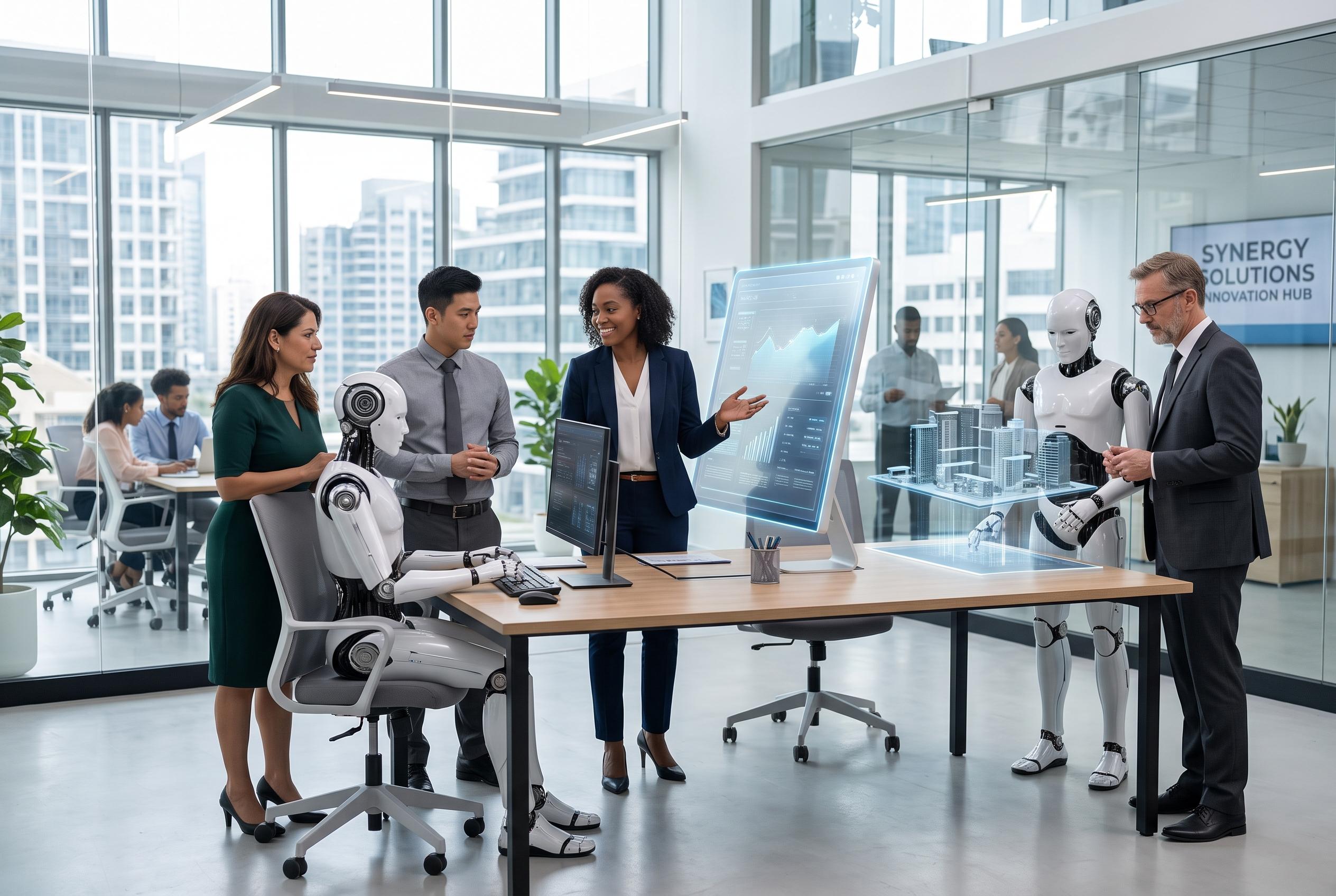

Pi Network’s expanding infrastructure could soon enable distributed AI workloads and machine-to-machine payments, signalling a disruptive shift towards a decentralised robot economy, though significant hurdles remain.
Pi Network is drawing fresh attention after a community proposal imagined its node network being repurposed for artificial intelligence and, eventually, a wider robot economy. The idea, circulated by the X account @WeidaiBtc, envisions hundreds of thousands of Pi Nodes evolving into a distributed computing layer that could support AI workloads and, in time, machine-to-machine payments. That remains speculative, but recent product work from Pi Network suggests some of the technical pieces are already being assembled.
Pi Network has already moved beyond its origins as a mining app. In June, the company introduced SoloHost in Pi Desktop 0.6.0, a feature that lets users run applications directly on their own devices rather than relying on central servers. Coverage of the update by several crypto outlets described it as an early step towards a more decentralised computing model, with local execution offering more privacy and control over data. The same reports said Pi Network has been positioning SoloHost as a foundation for future distributed workloads.
The scale of Pi’s node base is central to the argument. Pi Network has said its network includes more than 420,000 active node operators, a figure repeated in reporting around Pi2Day 2026. According to those accounts, SoloHost Beta was presented as a way to support local applications, AI tools and eventual distributed computing tasks on that existing network. Separate coverage said developers could build and list self-hosted applications, including local AI agents such as Hermes, which run on users’ devices.
That matters because AI systems need large amounts of computing power. Training, inference and data processing all consume significant resources, and demand for such capacity continues to rise. Pi Network’s pitch is that some of the hardware already connected to its ecosystem could be used more efficiently. If idle capacity were coordinated safely and at scale, the network could become a low-cost, distributed alternative to some centralised cloud services.
Pi Network has also signalled that it wants the ecosystem to reach beyond validation of blockchain transactions. In earlier material, the company described exploration of decentralised AI training and other computing tasks, with the possibility that node operators could be compensated in Pi for contributing hardware. That would give the token a more direct utility function: not only a store of value or payment instrument between people, but also a means of settling digital services within the network.
The robot economy idea builds on that logic. In a future where AI agents choose services, place orders and dispatch robots to complete physical tasks, payments could increasingly move between machines rather than only between people. For that to work, the system would need identity controls, secure communications, smart-contract style automation, application programming interfaces and reliable settlement rails. Cryptocurrency could play a role, but only if the surrounding infrastructure is robust enough to support real commerce.
Pi Network is already testing some of that direction. In 2025, it introduced an AI application platform aimed at combining blockchain and AI inside its ecosystem. In 2026, the company expanded the picture with Pi Sign-in, which allows users to access supported third-party websites and applications using Pi accounts, alongside SoloHost and related computing features. Pi Network also said in April that a distributed workforce had completed 526 million tasks, suggesting the project is trying to build not just software, but a broader labour and infrastructure layer around it.
Even so, the barriers are substantial. Not every node machine has the hardware needed for demanding AI workloads, and distributed computing depends on stable connectivity, low latency and careful security design. Incentives will also matter. Users are more likely to contribute resources if the economics are clear and the risks are limited. For now, the robot economy remains a long-term vision rather than a product that exists in practice.
Disclaimer: This content is intended for informational purposes only. Readers are advised to exercise their own judgement, conduct due diligence, or consult a qualified expert before acting on any information provided.