
Samsung’s Galaxy Watch9 shifts towards preventative wellness, offering an expanded array of health-monitoring tools and indirect blood sugar insights, signalling a move towards more clinical-grade wearables.
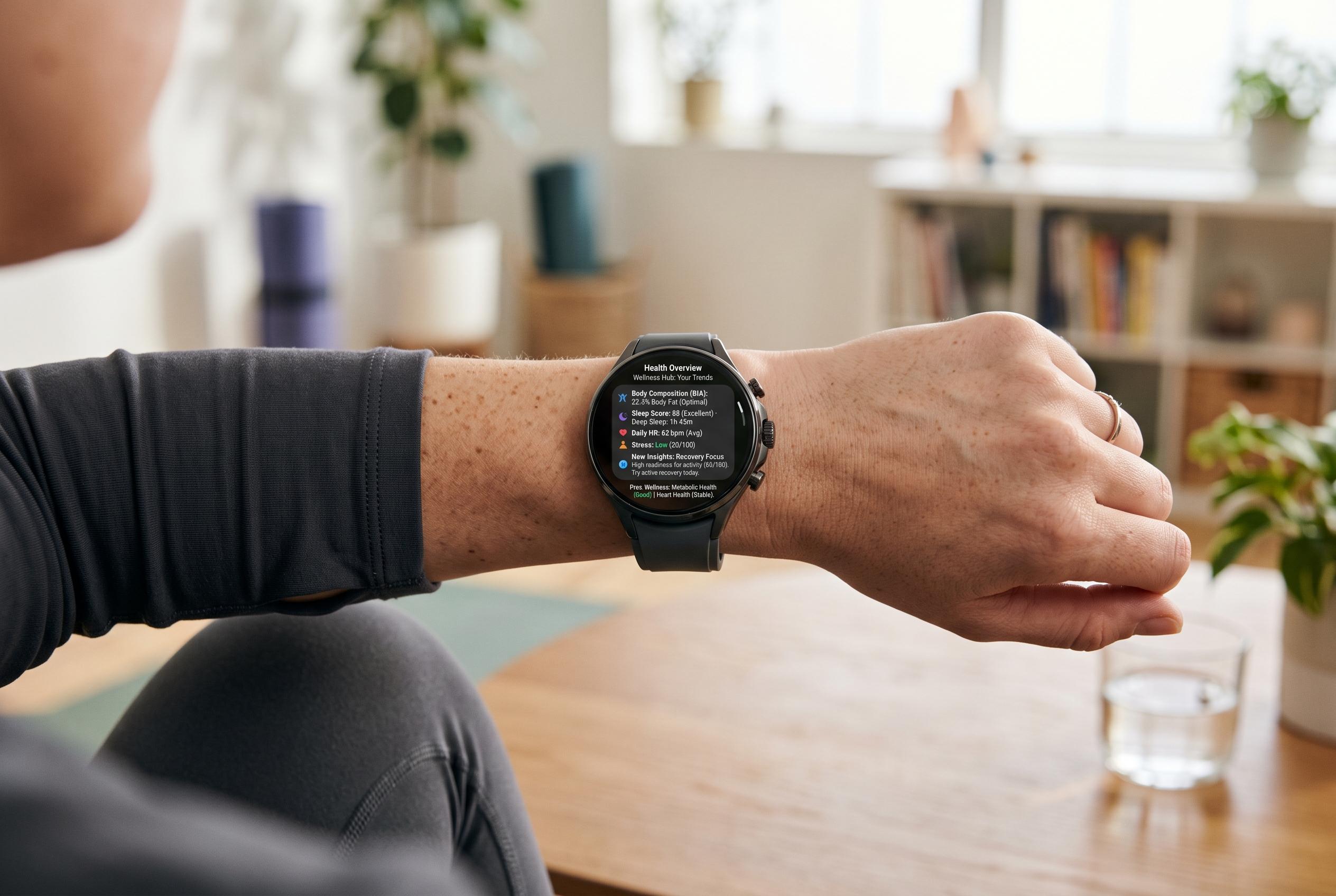
Samsung’s Galaxy Watch9 is being positioned as a health-first smartwatch, but the most useful gains are less about a single breakthrough sensor than the broader package of tracking tools now built around it. According to Samsung’s product page, the watch centres on a Vitals dashboard, sleep monitoring, heart-health insights, blood pressure trend tracking and personalised sleep coaching, all aimed at making the device work as a continuous health companion rather than just a step counter.
That message is reinforced in Samsung’s launch material, which describes the watch as a lightweight aluminium model with interchangeable soft-touch bands, designed for all-day wear. The company says it uses the Snapdragon Wear Elite platform and a 390mAh battery to improve performance and keep health monitoring running through the day. Tom’s Guide also reports that the device starts at $379 and adds features including Heart Health Score, Daily Cardio Load and a Fitness Index, broadening its appeal beyond casual fitness use.
Claims that the Watch9 can directly measure blood glucose should be treated carefully. TechRepublic reports that current Samsung Galaxy Watch models do not directly track blood sugar, although Samsung does offer an AGEs Index in the Samsung Health app on Galaxy Watch7 and later devices. That measure is linked to how sugar interacts with proteins and fats over time, giving users an indirect view of blood-sugar-related health patterns rather than a substitute for a medical glucose monitor.
Taken together, the Watch9 looks like an incremental but meaningful step in Samsung’s wearables strategy. The company is clearly leaning into preventative wellness, and Android Central says the new software package also includes hydration tracking, an energy score and improved fitness tools. The practical question is whether these features, especially the more experimental health metrics, can earn enough independent validation to move from lifestyle tracking to something closer to clinical usefulness.
Disclaimer: This content is intended for informational purposes only. Readers are advised to exercise their own judgement, conduct due diligence, or consult a qualified expert before acting on any information provided.