
India’s lower house has approved a legal amendment that could enable future charges on selected digital transactions, signalling a potential shift in the country’s payment landscape without immediate fee increases for most users.
India’s lower house has approved a tax law amendment that could allow charges on some digital payments in future, but it does not make ordinary UPI transfers immediately fee-bearing. According to the article supplied and recent business reporting on the policy debate, the change has been interpreted as a possible route to revive merchant charges on selected transactions rather than a blanket levy on everyday peer-to-peer payments.
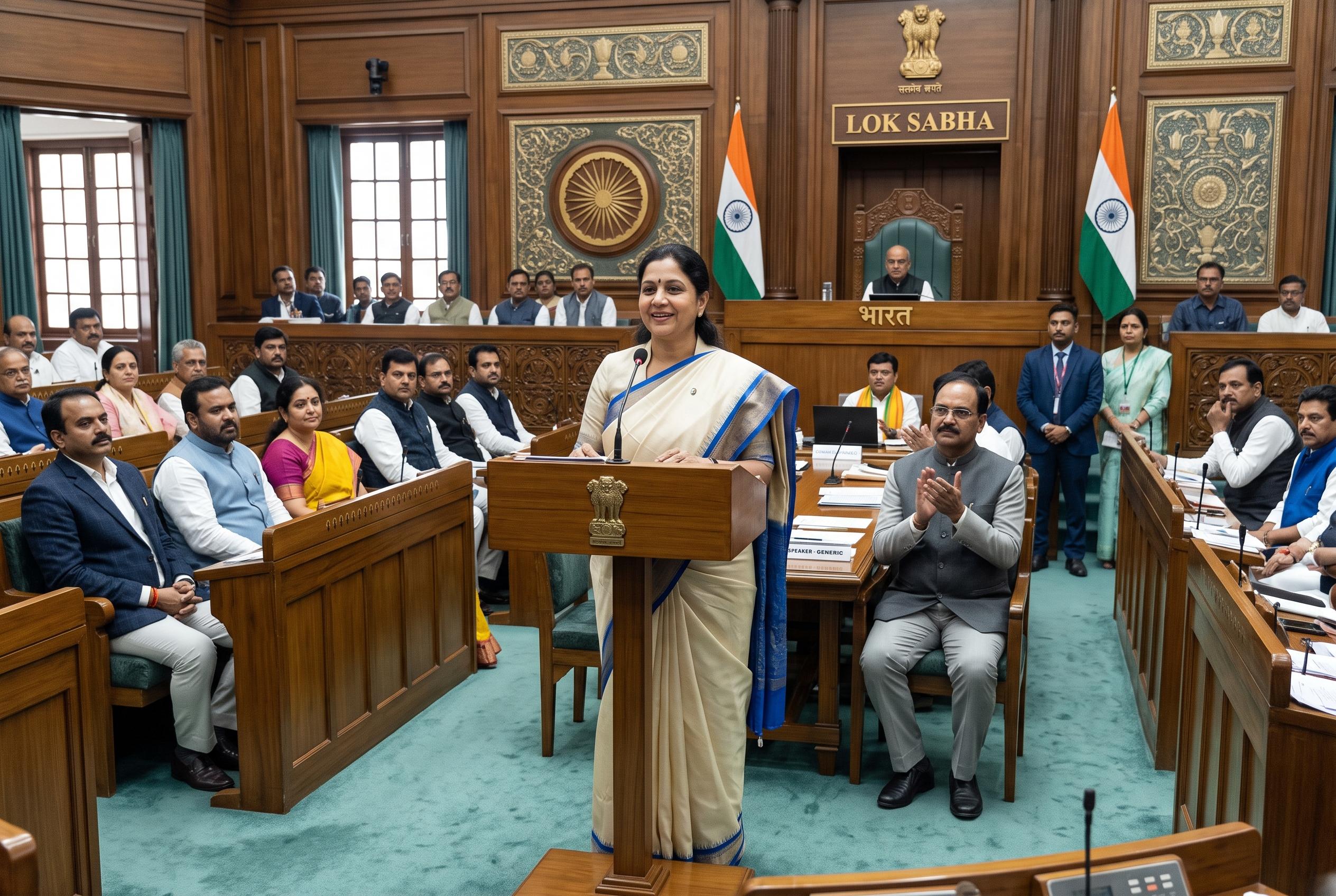
The provision sits inside the Taxation and Other Laws (Amendment) Bill, 2026, which was passed by the Lok Sabha on August 6, 2026. The bill amends the Payment and Settlement Systems Act, 2007, and lifts a legal constraint that had prevented certain charges from being imposed on digital payment systems. That gives the government greater flexibility to decide later whether a Merchant Discount Rate, or MDR, should apply to particular transactions.
MDR is a fee usually paid by the merchant to the bank, payment company or service provider that processes the transaction. Business Standard and The Economic Times reported earlier this year that officials were examining whether to bring MDR back for large businesses using UPI and RuPay debit cards, in part to ease pressure on banks and support the wider payments infrastructure. Those reports framed the debate as a balance between keeping digital payments cheap for consumers and ensuring the system remains financially sustainable.
For now, consumers should not expect a deduction on every UPI payment. The bill does not set a rate, name the transactions that could be covered or say who will ultimately bear any cost. As Canara Bank and payment-industry guidance note, UPI remains free for standard bank-to-bank transfers, while charges already exist in narrower cases such as RuPay credit card payments made through UPI and some merchant transactions involving prepaid instruments.
That means the practical effect of the law will depend on what the government does next. If it issues rules or notifications, those will need to define the scope of any charge, the rate and whether the burden falls on merchants or customers. Until then, the change is best understood as a legal opening for future pricing decisions, not an immediate end to free UPI payments.
Disclaimer: This content is intended for informational purposes only. Readers are advised to exercise their own judgement, conduct due diligence, or consult a qualified expert before acting on any information provided.