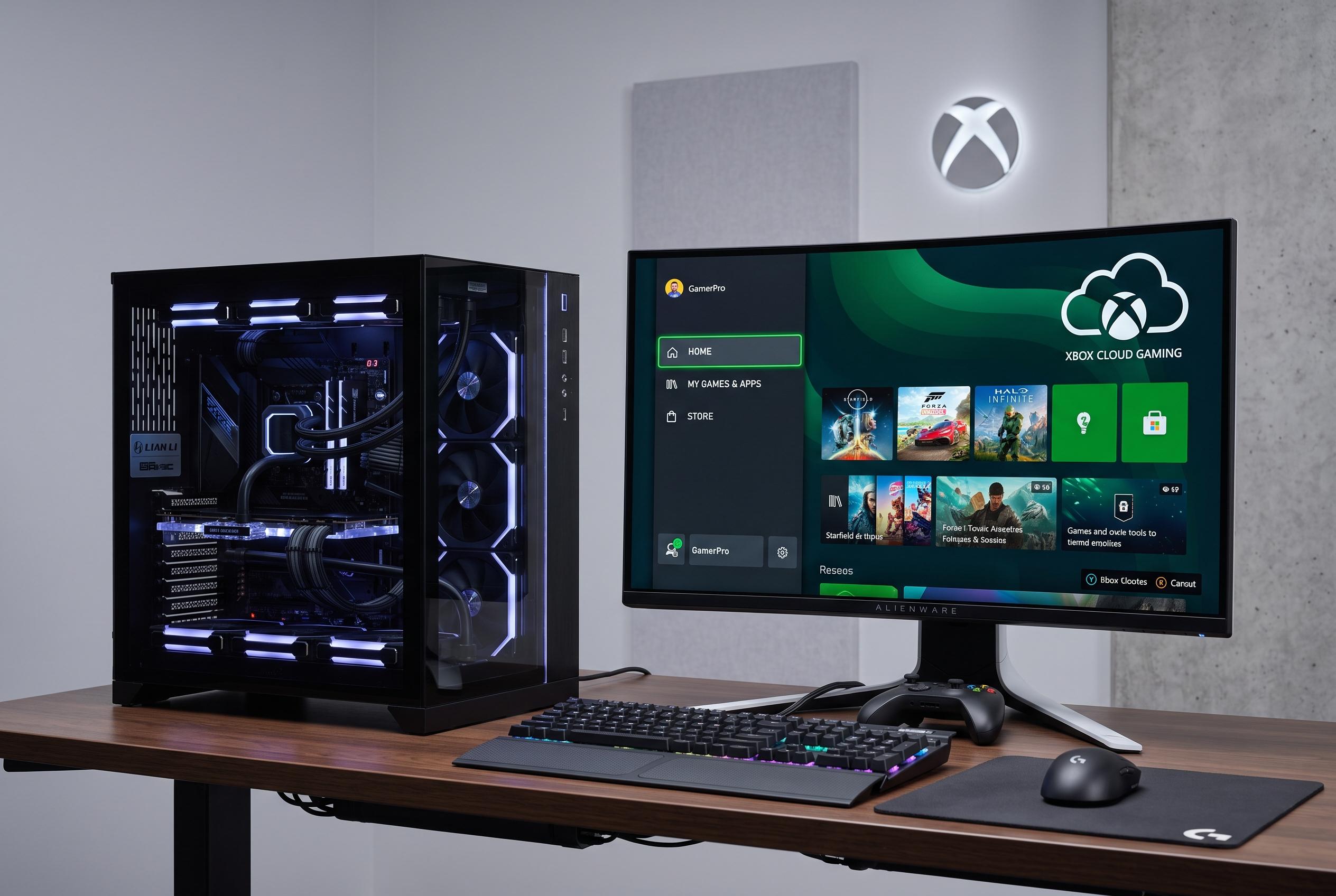

Microsoft is enhancing its PC gaming strategy by integrating Steam, expanding the Xbox app’s capabilities, and exploring a hybrid console to unify access across generations, signalling a disruptive shift in the gaming ecosystem.
Microsoft is not, at least for now, walking away from Steam. But the direction of travel is clearer: it is building a PC gaming strategy that gives the Xbox app a much larger role in how players find, launch and manage games on Windows. Windows Central reported that Microsoft is still bringing major releases to Steam while also strengthening its own app, with features such as deeper Windows 11 integration, broader store aggregation and a more central position for Game Pass. In practical terms, that points to a company that wants Steam to remain part of the PC market without letting it define Xbox’s future.
That shift matters because Microsoft is also working on a more unified ecosystem. According to Windows Central, the Xbox PC app is being expanded so it can display and launch games installed from Steam, Epic Games Store, Battle.net and other storefronts. The app still has limitations, including thin metadata for non-Xbox games, but the direction is clear: Microsoft wants its software to become a front end for the wider PC library rather than a closed launcher for its own titles alone. The same report said the company is also exploring deeper store partnerships, including with publishers such as Ubisoft and EA, while continuing to lean on Game Pass to attract value-focused players.
Tom’s Hardware reported that Microsoft’s longer-term ambition goes further still. The company is said to be planning a next-generation hybrid console, code-named Helix, with support for games across every Xbox generation, from the original console through Xbox Series titles. The report said Microsoft is urging publishers to opt into a system that would let older games run on modern hardware through emulation, certification and distribution handled by Microsoft, while publishers retain control over rights and revenue. It also said a disc-to-digital conversion programme began in July 2026, signalling that Microsoft is trying to turn physical ownership into a more flexible account-based model.
That push towards a broader Xbox ecosystem runs alongside a growing emphasis on cross-platform value. Windows Central reported that Xbox Play Anywhere is gaining momentum, with more publishers including it in new releases and with Larian Studios adding Baldur’s Gate 3 to the programme. The feature allows a single purchase to cover Xbox consoles, PCs, cloud play and supported handhelds, with shared saves across devices. For Microsoft, that is important because it reduces the relevance of any single storefront. For players, it means the company is increasingly competing on convenience, continuity and ecosystem design rather than on the console alone.
At the same time, Valve is moving in the opposite direction: not away from openness, but towards making SteamOS and Steam Deck more capable on their own terms. Geeky Gadgets reported that the latest SteamOS update adds HDR streaming for OLED devices, AV1 codec support and local game transfers that do not require internet access. Those changes are small in isolation, but together they improve remote play, reduce bandwidth use and make device-to-device sharing more practical for households with slower connections or data caps. That is a reminder that Valve is still refining the PC gaming experience in ways Microsoft must match if it wants to keep more players inside the Xbox ecosystem.
Hardware costs are also shaping the market. Geeky Gadgets said Steam Deck replacement batteries have risen by 45%, which it attributed to supply-chain strain and stronger demand for AI-related components. If accurate, that is another sign that gaming hardware is becoming more expensive to maintain even as software ecosystems become more competitive. In that environment, cloud gaming looks more appealing as an alternative to buying new devices, especially for players who want to avoid recurring repair and upgrade costs. The result is a market moving on several fronts at once: Microsoft broadening Xbox on PC, Valve improving SteamOS and consumers weighing whether ownership, subscription or streaming makes the most sense.
Disclaimer: This content is intended for informational purposes only. Readers are advised to exercise their own judgement, conduct due diligence, or consult a qualified expert before acting on any information provided.