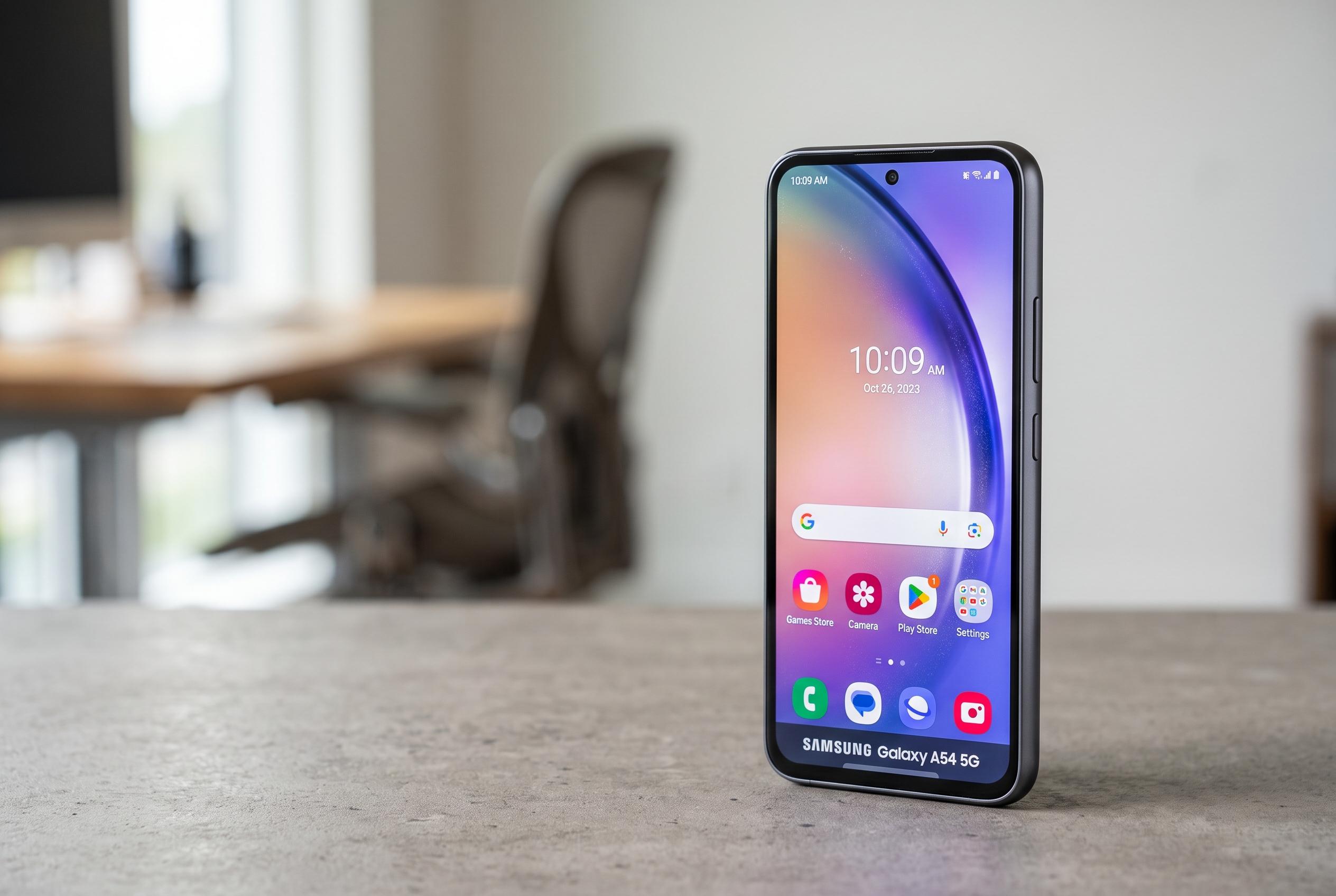

Samsung has quietly increased prices of its low-end Galaxy models in India, citing rising costs for memory and storage components, with price hikes affecting multiple Galaxy A, F, and M series models amidst ongoing supply chain shortages.
Samsung has quietly raised prices on several of its entry-level Galaxy phones in India as shortages in memory and storage continue to push up costs. According to reporting by SamMobile and GSMArena, the increases affect low-end models across the Galaxy A, F and M ranges, including both 4G and 5G variants.
The revisions are concentrated in the Galaxy A06, A07 and A17 families, with some reports also pointing to affected F and M series models such as the F07, F17 and M07. SamMobile said the increases range from ₹500 to ₹3,500, while other reporting indicated that several models were lifted by ₹1,000 each. In one example, the Galaxy A06 5G’s 4GB/64GB version moved from ₹12,499 to ₹13,499.
The timing reflects pressure in the smartphone supply chain, particularly for RAM and flash storage. Industry reports have linked the higher pricing to rising component costs, and one account described the move as Samsung’s response to continuing market strain. For budget buyers, that is significant: entry-level handsets are usually the most vulnerable to cost inflation because there is limited room to absorb higher parts prices without affecting retail pricing.
The changes also appear to be broad rather than isolated. SamMobile reported that the new prices took effect on April 10, 2026, and said this was one of several price adjustments Samsung had made in India this year. GSMArena noted that the top-spec Galaxy A17 5G now rises above ₹30,000, a level that narrows the value proposition for a phone positioned in Samsung’s lower tier.
Samsung is still trying to soften the blow with promotions, including cashback offers on select bank cards, extra discounts in some cases, a ₹2,000 first-purchase benefit on Samsung.com or the Shop App, and trade-in deals. Even so, the latest increases underline a broader problem for the affordable smartphone segment: when component prices rise, the cheapest devices often feel the impact first and most directly.
Disclaimer: This content is intended for informational purposes only. Readers are advised to exercise their own judgement, conduct due diligence, or consult a qualified expert before acting on any information provided.