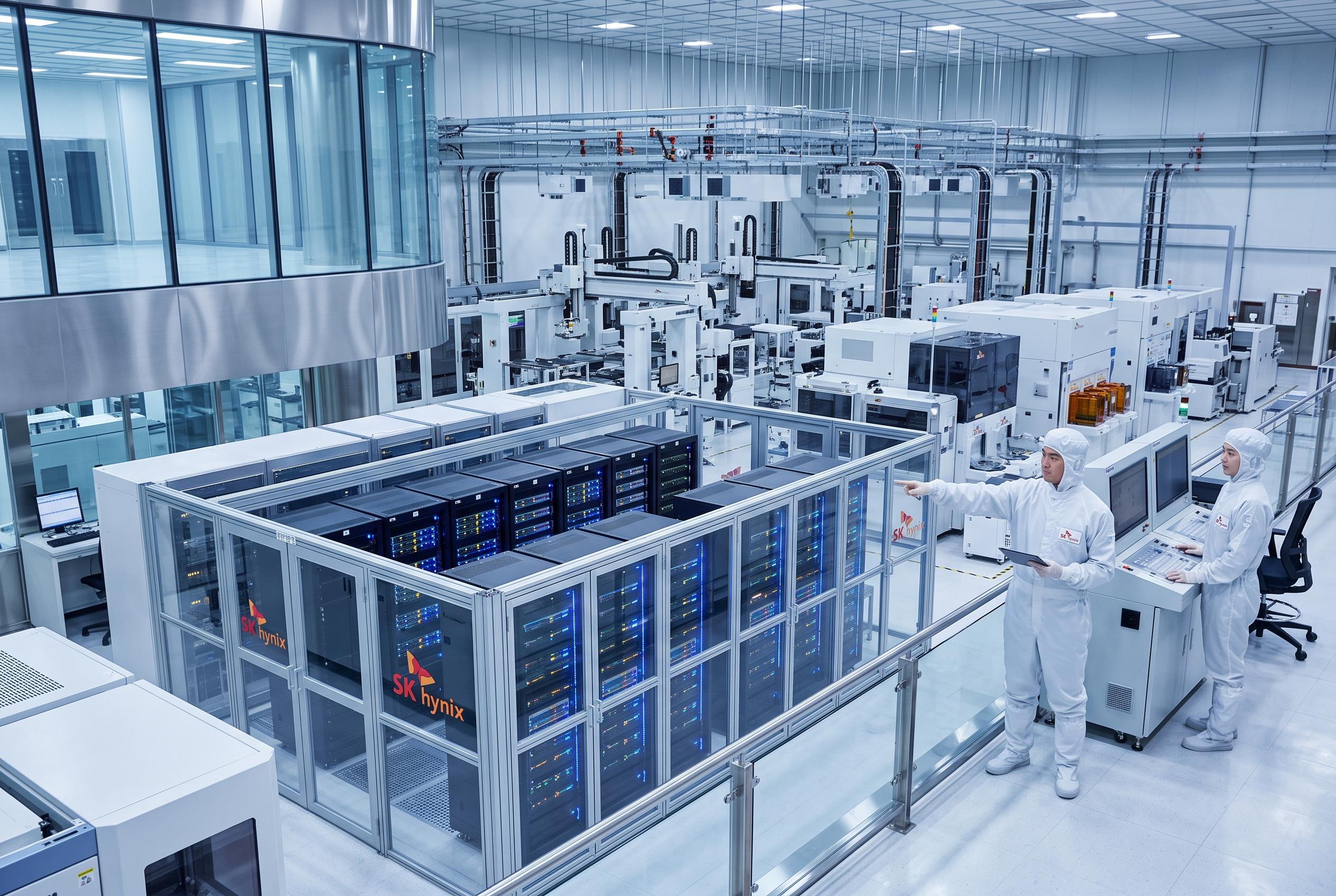

South Korea’s SK Hynix has approved a massive investment in new chip factories, marking a long-term response to structural industry changes and rising demand for AI memory solutions, despite ongoing shortages and fluctuating prices.
SK Hynix has approved 54.3 trillion won in spending for two new chip plants in South Korea, a move that underscores how aggressively the memory maker is expanding even as shoppers hope for relief in RAM prices. According to the company, the money will fund a DRAM facility in Yongin and a NAND plant in Cheongju, with the first cleanrooms due to come on line only in late 2028 and mid-2029. That timetable means the plan is a long-term capacity build-out, not a quick answer to today’s memory shortage.
The distinction matters. SK Hynix said the factories will be built on schedule, but the cleanrooms and production tools will be added in stages, depending on demand. In other words, the shells will rise first and the expensive manufacturing equipment will follow only when the business case is clear. Reuters-style reporting from South Korean media has already highlighted how the company is treating the project as part of a multi-year expansion rather than an emergency supply response.
The Yongin site, known as Y2, is intended to become a major DRAM hub, while Cheongju’s M17 will focus on NAND. That mix is important for the wider market because the strongest demand has shifted towards high-bandwidth memory, or HBM, the specialised DRAM used in artificial intelligence servers. Tom’s Hardware reported that SK Hynix has also placed a record order for ASML’s extreme ultraviolet lithography machines, which will support production of HBM and advanced DRAM at facilities including Cheongju and the Yongin cluster. The company has separately raised vast sums to finance its expansion, including a major US share sale earlier this year.
SK Hynix is also signalling that it does not see the current cycle as a short-lived spike. The company has described the industry as undergoing a structural change and has pointed to Omdia forecasts that DRAM and NAND demand will continue rising strongly through 2030. That helps explain why it is adding capacity now, even if the benefit to conventional DDR5 prices may not arrive soon. With HBM taking a growing share of output, traditional consumer memory remains at risk of being crowded out by higher-margin products built for AI systems.
Disclaimer: This content is intended for informational purposes only. Readers are advised to exercise their own judgement, conduct due diligence, or consult a qualified expert before acting on any information provided.