
Leaked screenshots suggest Xiaomi is revamping HyperOS 4 with a translucent, glass-like interface featuring Light Field UI technology, marking a significant visual and functional upgrade aimed at delivering a more premium and responsive user experience.
Xiaomi is preparing a major visual overhaul for HyperOS 4, according to leaked screenshots published by NokiaPowerUser and other sites tracking the software’s development. The early images point to a redesigned Control Centre built around translucent panels, softer highlights and a more layered interface, marking a clear move away from the flatter look used in earlier versions.
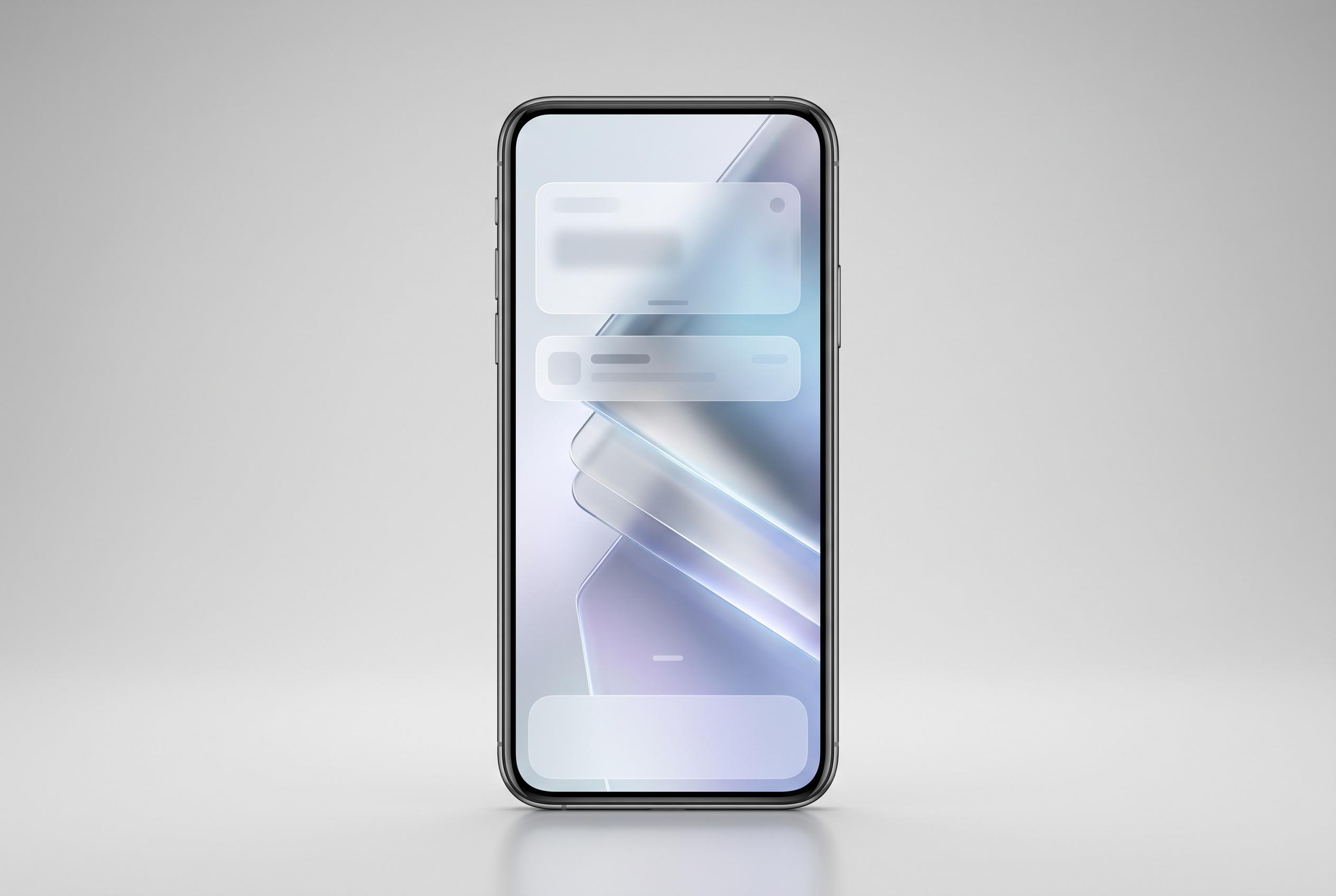
The most distinctive change is a new material language Xiaomi appears to call Light Field UI. In the leaked setup files and screenshots, controls respond to wallpaper colour, theme choices and even the surrounding visual context, producing what the reports describe as more lifelike depth and refraction. Rather than simple blur effects, the design aims to simulate glass-like surfaces with shifting reflections and clearer separation between foreground controls and background content.
The Control Centre itself has also been reworked. According to the reports, common toggles such as Wi-Fi, Bluetooth, media playback and smart home shortcuts now appear as frosted glass-style tiles, while brightness and volume controls are presented as fluid, pill-shaped sliders. The layout is also said to support more modular customisation, with some elements expanding into smaller pop-ups instead of taking over the whole screen.
Several leaks suggest Xiaomi is planning multiple variants of the new visual style. Smartprix reported that prototype builds based on Android 17 show two glass modes, described as Clear and Soft, alongside updated status bar icons and new wallpapers. XimiTime said the theme material selector also points to two presentation options, one with stronger transparency and another with lighter blur and cleaner layering, suggesting Xiaomi is testing how far it can push the effect without making the interface hard to read.
The reported design shift is not just about appearance. NokiaPowerUser said Xiaomi has updated its graphics engine so the light-rendering effects are processed on the GPU, which should help maintain smoother animations. That would matter because richer translucency and lighting effects can easily slow down a user interface. For now, the evidence points to a deliberate effort to give HyperOS a more premium look while keeping it responsive across different device tiers.
Disclaimer: This content is intended for informational purposes only. Readers are advised to exercise their own judgement, conduct due diligence, or consult a qualified expert before acting on any information provided.