
The OneXPlayer 3 introduces a flexible, high-performance gaming PC with a detachable controller, immersive OLED display and broad connectivity, targeting enthusiasts seeking versatility and power in a portable device.
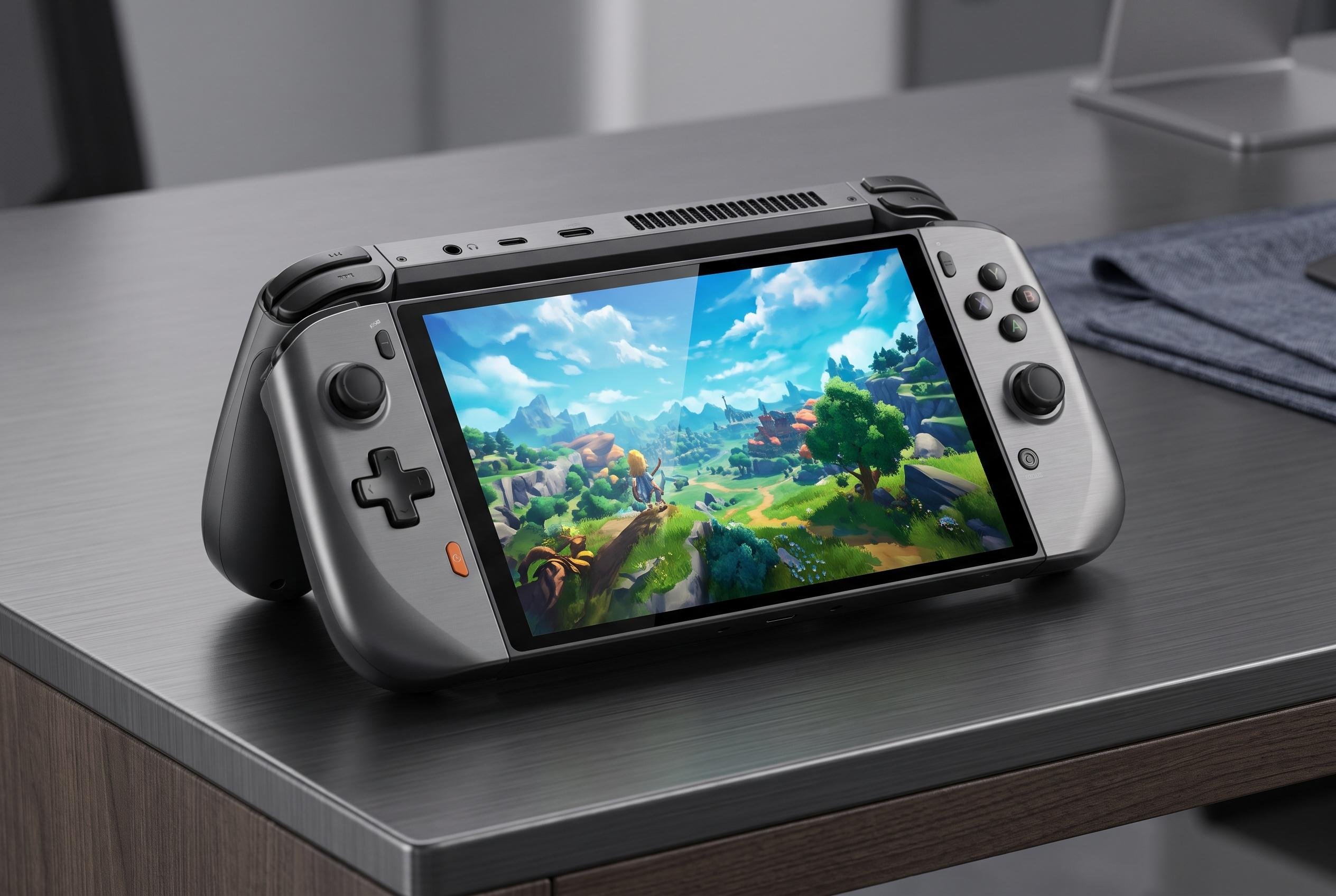
The OneXPlayer 3 has quickly become one of the more ambitious entries in the handheld gaming PC market, combining high-end silicon with a format that tries to do more than one job. According to coverage from PCWorld and ComputerBase, the device is built around Intel’s Arc G3 Extreme chip and an 8.8-inch OLED screen with a 144Hz refresh rate, a pairing aimed at delivering both strong performance and sharp image quality. Those reports also note that the machine is designed to switch between handheld, tablet and mini-laptop use, giving it a wider remit than a conventional portable console.
That flexibility is central to its appeal. Reviewstown says the OneXPlayer 3 uses detachable Hall-effect controllers and a magnetic keyboard, while Notebookcheck reports that the model launched globally in June 2026 with an 85Wh battery and Hall effect joysticks. T3, which highlighted the device at Computex 2026, described it as a premium option with VRR and HDR support, features that are increasingly important in handheld devices because they help keep motion smoother and visuals more consistent.
The display is one of the clearest differentiators. The 8.8-inch panel uses a 16:10 aspect ratio and 1,920×1,200 resolution, which should give it a little more vertical space than a standard 16:9 screen. In practical terms, that helps with both games and general productivity. The 144Hz refresh rate is aimed at reducing perceived blur and making fast-moving games feel more responsive, while OLED technology should improve contrast and black levels. For users who split their time between gaming and media viewing, those are meaningful gains rather than cosmetic ones.
Performance is the other major selling point. Geeky Gadgets says the OneXPlayer 3 is intended to handle demanding titles such as Cyberpunk 2077, while also supporting less intensive games at much lower power draw. The same review says battery life can vary sharply depending on thermal design power settings, ranging from about 8.5 to 10 hours for lighter titles to roughly 2.5 to 3.5 hours in AAA workloads. That spread is typical of high-performance Windows handhelds, where sustained output usually comes at the cost of endurance.
Connectivity is broad for a device of this type. According to the Geeky Gadgets review, the OneXPlayer 3 includes Thunderbolt 4, USB 3.2, a full-size USB port, a 3.5mm audio jack, microSD expansion and a mini SSD slot. That makes it more adaptable than many rivals when paired with external displays, storage devices or even an external graphics set-up. On paper, then, the OneXPlayer 3 is less a niche gaming toy than a compact Windows machine that happens to be able to play demanding games well.
Its audience is unlikely to be mass-market. The combination of a large battery, detachable controls and premium display points to a device for enthusiasts who value versatility as much as raw frame rates. But within that group, the OneXPlayer 3 appears to deliver the kind of specification list that can justify its place at the upper end of the handheld market.
Disclaimer: This content is intended for informational purposes only. Readers are advised to exercise their own judgement, conduct due diligence, or consult a qualified expert before acting on any information provided.