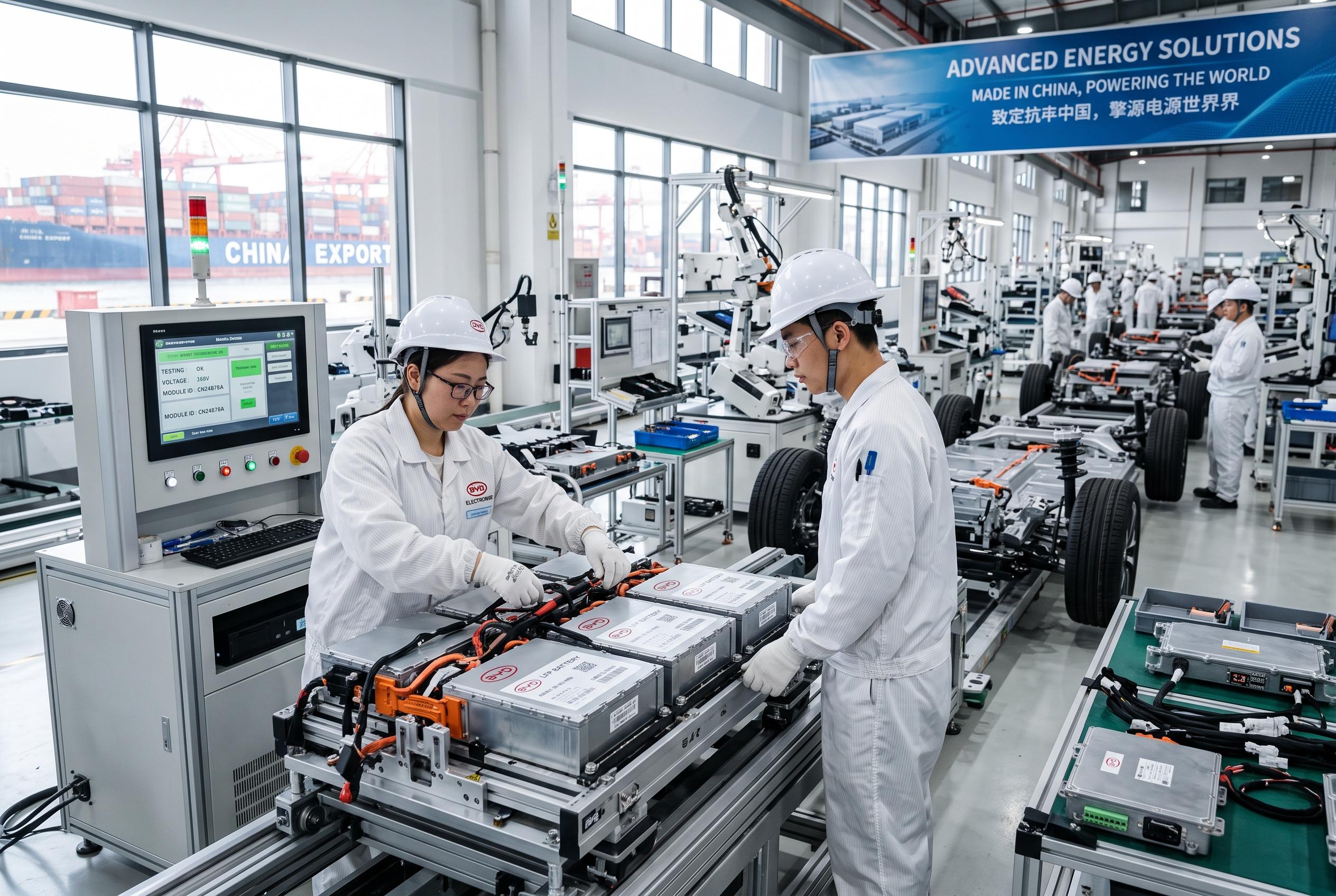

China’s exports grew nearly 24% in July, slightly slower than June but driven by strong demand for electronics, electric vehicles, and green tech, signalling ongoing shifts in its trade profile despite weather disruptions and geopolitical tensions.
China’s export growth eased in July but remained stronger than economists had expected, as demand for electronics, electric vehicles and other high-tech goods continued to cushion the impact of trade tensions and weather-related disruption.
Customs data released on Friday showed exports rose nearly 24% from a year earlier, down from June’s 27% pace. Imports increased 27.5% year-on-year, although that was also slower than the previous month’s 36% gain. The country’s trade surplus narrowed to $112.5 billion from $125.6 billion in June. Typhoons that disrupted port activity helped to slow shipments, but analysts said the figures still pointed to robust external demand.
Julian Evans-Pritchard of Capital Economics said in a report that the “boom in Chinese trade slowed a touch in July but the big picture is that export and import values remain elevated, helped by soaring global demand for electronics and green tech products”. He also noted that the war between Iran and Israel had interfered with aluminium shipments from the Middle East, which contributed to higher Chinese exports of the metal.
The latest trade figures reinforce a longer-term shift in China’s export profile. Customs data show high-tech exports rose nearly 41% in the January-July period from a year earlier, while vehicle shipments increased 55% and exports of electronics and machinery climbed 26%. That suggests China is moving further away from its old image as a source of low-cost manufacturing and deeper into the supply chains for advanced equipment and components, even as the United States and other countries raise tariffs and other trade barriers.
Strong demand for Chinese goods has helped keep the country’s trade surplus at elevated levels, with the broader trend pointing to continued strength in sectors such as electric vehicles, batteries and integrated circuits. Earlier industry data also showed rising sales and exports of new energy vehicles and continued gains in smartphones, home appliances and shipbuilding, underlining how much of China’s trade momentum now depends on technology-linked manufacturing.
Disclaimer: This content is intended for informational purposes only. Readers are advised to exercise their own judgement, conduct due diligence, or consult a qualified expert before acting on any information provided.