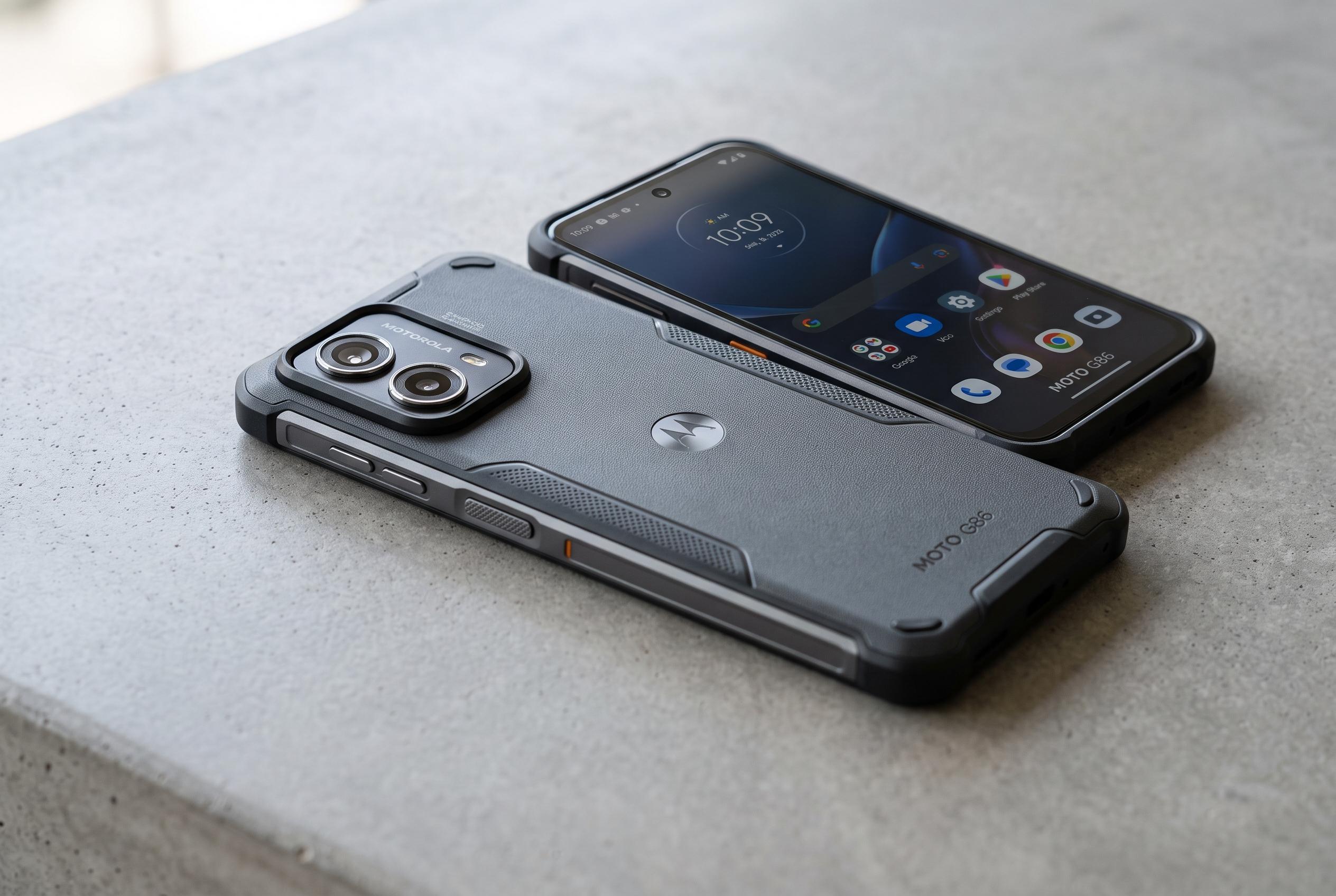

Motorola’s Moto G86 becomes a more attractive option for budget-conscious buyers, thanks to a significant price reduction and enhanced durability features, making it stand out in the mid-range segment.
Motorola’s Moto G86 is emerging as one of the more persuasive mid-range phones for buyers with a budget of about R$1,500, chiefly because its price has fallen sharply since launch. In the original hands-on assessment, the device was judged too expensive at release, but recent street pricing around R$1,400 to R$1,600, and at times below R$1,300, has changed the equation. That shift matters because the phone combines a large 256GB storage option, strong battery life and a feature set that has become harder to find in newer Motorola models.
The strongest case for the Moto G86 is its durability. Reviews published in Brazil describe a handset with IP68 and IP69 resistance, plus MIL-STD-810H-style protection against temperature and pressure stress. That puts it ahead of several cheaper alternatives, including newer Motorola models that only carry splash resistance in some markets. It also uses Gorilla Glass 7i on the front, and it still offers expandable storage and eSIM support, giving it a versatility that many rivals no longer match.
Its display is another reason the phone stands out. According to independent reviews, the Moto G86 uses a 6.67-inch pOLED panel with 120Hz refresh and 1.5K resolution, alongside peak brightness of up to 4,500 nits. In practical terms, that means a sharper and more usable screen outdoors than many phones in the same price range. TechAdvisor also praised the panel’s brightness, while noting that the device is less convincing in other areas.
Camera performance is more uneven, but still respectable for the price. The main camera is a 50MP unit, supported by an 8MP ultrawide and a 32MP front camera. The original review described good detail, solid colour handling and decent portrait selfies, though it also noted that the ultrawide can drift from the main sensor’s colour balance and that low-light shots need care. A separate review from Codeiot says the camera system includes optical image stabilisation, which should help with steadier stills and video, even if the phone does not challenge the best camera handsets.
Battery life appears to be a genuine strength. The handset’s 5,200mAh battery delivered a full day of heavy use in testing, and a retest suggested the phone has become slightly more efficient after software updates. The bundled 33W charger is also notably faster than the slower adapters shipped with some direct competitors. That makes the Moto G86 easier to live with than many similarly priced phones that either charge more slowly or require a separate charger purchase.
Performance is where the picture becomes more complicated. The Moto G86 is good enough for everyday use and handles popular games well enough, but it is not a class leader for demanding titles. Reviews mention that the Dimensity 7300 chipset is competent for routine tasks yet lags behind stronger rivals from POCO and Redmi in heavier gaming workloads. Even so, the phone still looks well balanced in context: it offers more storage, better protection and a more advanced display than some newer competitors, while the Galaxy A36 is only clearly ahead on long-term software support. For buyers focused on value rather than headline-grabbing speed, the Moto G86 now looks like one of Motorola’s more rational buys.
Disclaimer: This content is intended for informational purposes only. Readers are advised to exercise their own judgement, conduct due diligence, or consult a qualified expert before acting on any information provided.