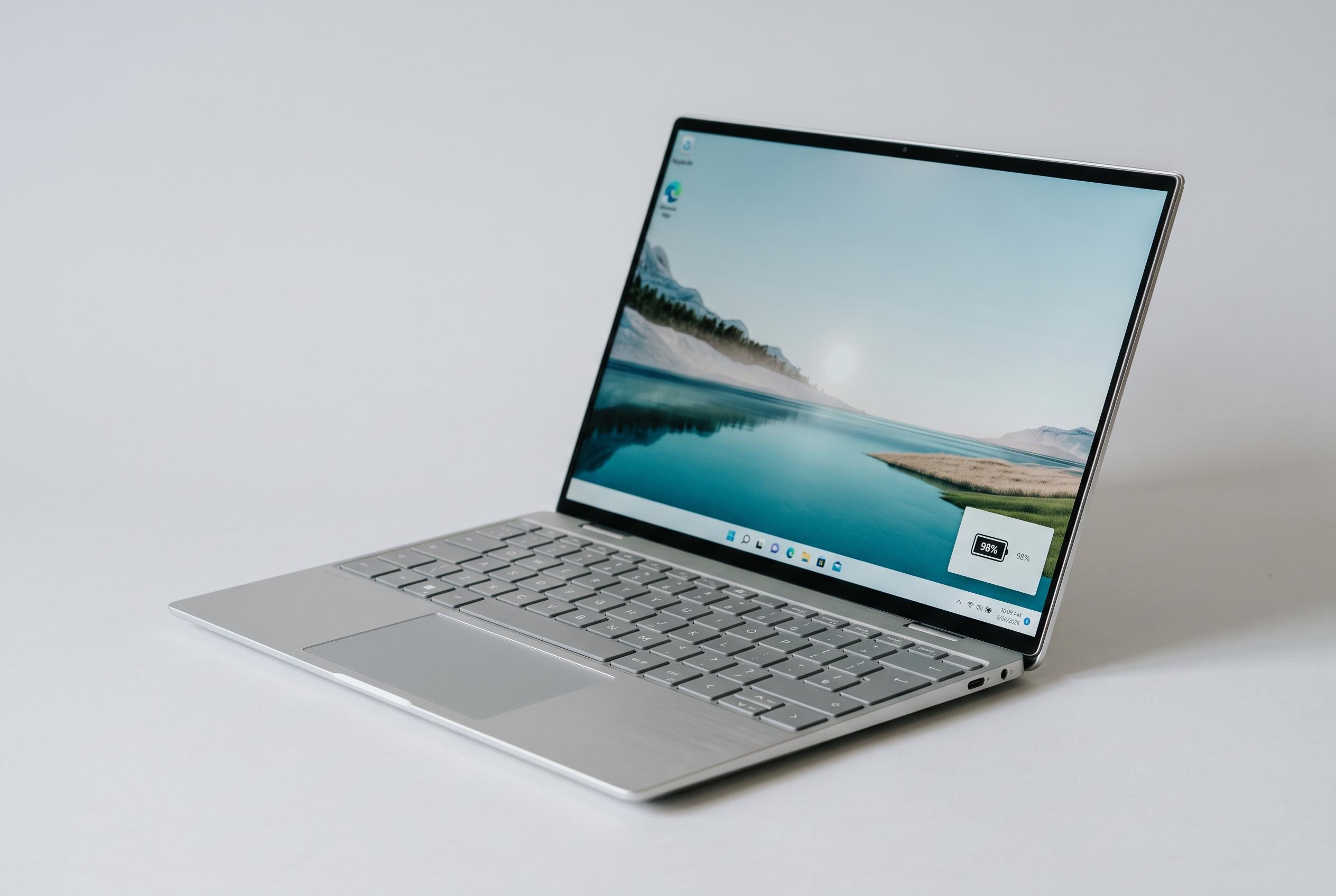

Dell’s return to the XPS brand marks a significant redesign emphasizing endurance and premium build, with new performance features tailored for mobile professionals facing increased competition from Apple and rivals.
Dell’s return to the XPS name is more than a branding reset. After dropping the badge in 2025 in favour of a broader Dell, Dell Pro and Dell Pro Max naming system, the company has brought back the line for its latest 14-inch and 16-inch machines, this time with a new chassis, revised cooling and Intel’s Panther Lake processors. That matters because XPS has long been Dell’s signal for its most ambitious premium ultraportables, and the relaunch is clearly aimed at restoring that position against both Windows rivals and Apple’s MacBook range.
The new XPS 14 is also a marked change in design philosophy. Reviewers at Tom’s Hardware and Notebookcheck describe a thinner, lighter machine with a more conventional and practical layout than the touch-heavy models Dell shipped before. The capacitive function strip is gone, replaced by physical function keys, and the Escape key is mechanical again. The aluminium body remains very much a premium object, but the finish is cleaner and the ergonomics are better judged, with a large haptic touchpad and a keyboard that is visually minimal but more usable than the older XPS experiments.
That redesign extends to the internals. Dell has rebuilt the cooling system around Panther Lake, using twin fans and twin heat pipes to keep the Core Ultra X7 358H under control. Notebookcheck says that combination delivers strong graphics performance and unusually good energy efficiency, while PCWorld highlights the same platform as a welcome course correction for Dell’s flagship line. In practical terms, the machine appears capable of handling creative work and light gaming far better than a typical thin-and-light Windows laptop, while keeping fan noise and surface temperatures in check.
Battery life is another area where the XPS 14 stands out. Tom’s Hardware points to strong endurance and a 1Hz display option, while Notebookcheck says the new model lasts 55% longer than the Dell 14 Premium from 2025. The review sample examined by Presse-Citron went even further, claiming all-day use without the charger becoming a constant concern. For mobile professionals, that is the most meaningful part of the Panther Lake story: performance gains matter, but stamina matters more when the laptop is expected to replace both a work machine and a travel companion.
There are still clear trade-offs. The port selection remains sparse, with Dell offering only USB-C, Thunderbolt and a headphone jack, which means dongles or a dock are still essential for many users. Notebookcheck also notes keyboard compromises, including short key travel and cramped arrow keys, even if the layout is an improvement over the touch bar era. Pricing is the other obvious concern. The XPS 14 starts at $1,899.99 in the United States and at €1,849 in the configuration described by Presse-Citron, rising sharply with OLED panels, more memory and higher-capacity storage. In that context, the laptop looks less like a mass-market option than a polished, high-end statement that is trying to justify its premium through finish, endurance and a far more mature design than Dell’s recent efforts.
Disclaimer: This content is intended for informational purposes only. Readers are advised to exercise their own judgement, conduct due diligence, or consult a qualified expert before acting on any information provided.