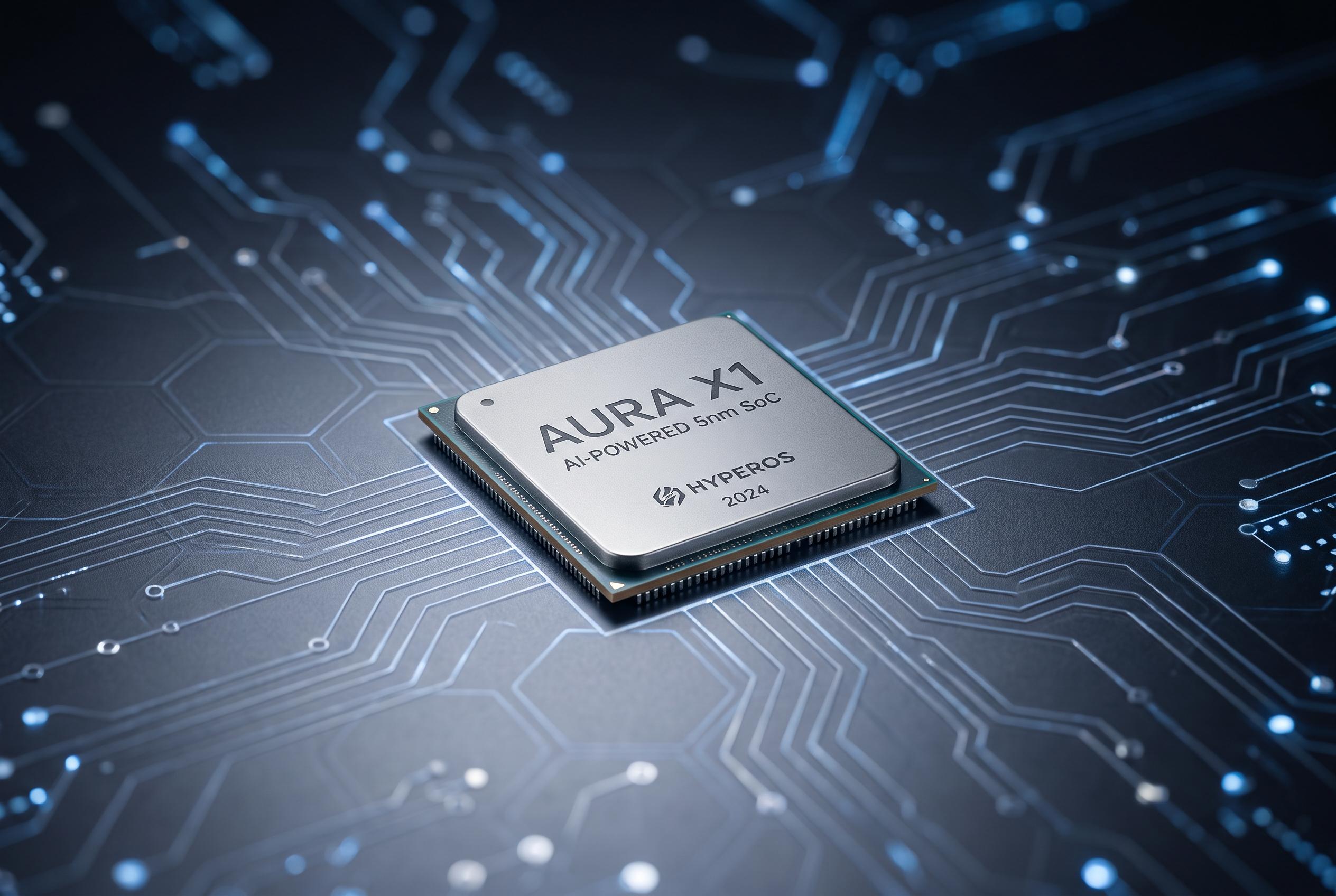

A deep dive into what truly impacts smartphone performance, from CPU fundamentals to AI integration, highlighting why system-wide optimisation matters more than raw clock speeds for everyday users.
A smartphone’s processor is one of the clearest indicators of how the device will behave in everyday use. It shapes how quickly apps open, how smoothly the interface responds, how well the camera processes images and how long the battery lasts under load. At the centre of that system are the CPU and the wider chipset, two terms that often appear in specification sheets but are not always explained in practical terms. The CPU handles core computation, while the chipset brings together the other parts that support graphics, connectivity, image processing, artificial intelligence and power management. That distinction matters because raw clock speed alone rarely tells the full story.
The CPU is the main engine for running the operating system and applications. It manages routine tasks such as loading pages, handling notifications and keeping background processes in order. Core count matters because it allows the chip to divide work across several processing units, improving responsiveness when multiple apps are active at once. But more cores do not automatically mean better performance. As Android Central has noted, single-core speed still affects how quickly individual apps feel, while multi-core design matters more for multitasking. Workload design, software optimisation, thermal limits and memory behaviour all influence the real result.
Modern smartphone chipsets go far beyond the CPU. They typically include a graphics processor, an image signal processor for camera work, a modem for mobile and wireless connectivity, memory control, security functions and a neural processing unit, or NPU, for machine learning tasks. The NPU is increasingly important because it can handle certain AI operations more efficiently than a general-purpose CPU or GPU. According to Android Central, that specialisation is what enables fast on-device features such as speech recognition, scene detection and image enhancement without sending every task to the cloud.
Performance is therefore best judged as a system rather than a single number. Faster chips can reduce app launch times, improve scrolling and keep demanding tasks steady when several things are happening at once. Gaming depends on both CPU and GPU performance, since frame rate, touch response and background calculations all need to stay consistent. For everyday use, software optimisation is just as important as silicon capability. A well-tuned handset can feel more responsive than a theoretically stronger one if the software uses the hardware more effectively.
Battery life is also closely tied to processor design. A more efficient chip can raise power consumption only when needed and scale back during lighter use. That is where efficiency cores, advanced manufacturing processes and better task scheduling help. Thermal control is equally important, because heat can force a chip to reduce speed and waste energy. As Moimobi explains in its discussion of CPU cores, the way work is distributed across threads, memory and temperature limits can matter more than core count on its own. In practice, that means a balanced processor can deliver both endurance and steady performance.
For buyers, the right processor depends on how the phone will be used. General users should look for stable performance, good battery efficiency and reliable connectivity. Content creators need stronger image processing, better AI support and enough CPU and GPU headroom for editing and capture. Gamers should focus on graphics capability, frame-rate consistency and cooling behaviour over longer sessions. When evaluating a device such as the HONOR 600 Pro, the most useful test is not the peak benchmark score but how well it handles app switching, video streaming, social media, camera work and 5G in ordinary use.
Taken together, these parts explain why smartphone processors deserve closer attention than a simple speed rating. The CPU drives the main tasks, but the chipset determines how well the device manages graphics, AI, network connections, imaging and power. Understanding that relationship makes it easier to compare phones in a meaningful way and choose one that fits real habits rather than marketing claims. In most cases, the most practical choice is not the fastest chip on paper but the one that stays efficient, responsive and consistent over time.
Disclaimer: This content is intended for informational purposes only. Readers are advised to exercise their own judgement, conduct due diligence, or consult a qualified expert before acting on any information provided.