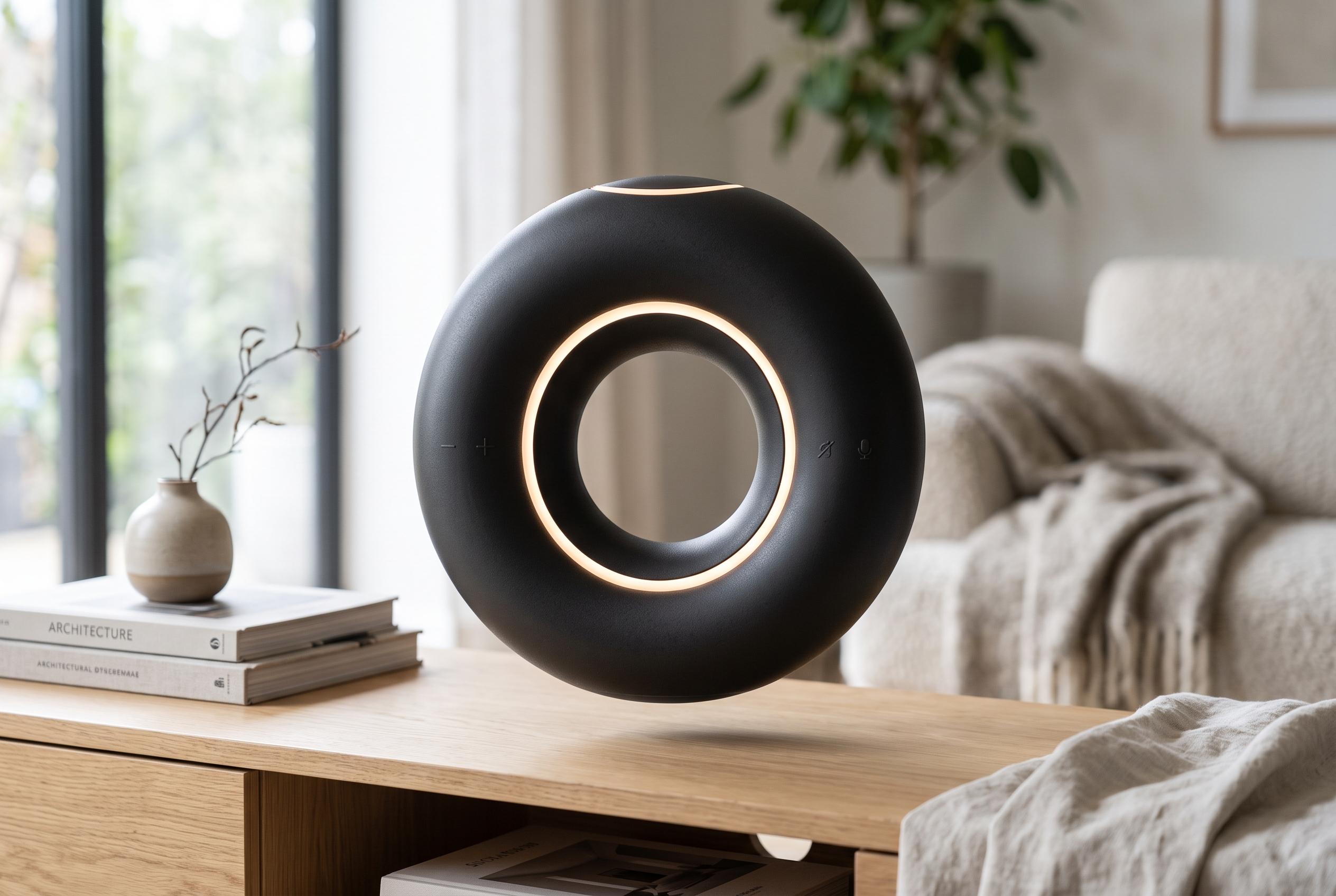

OpenAI is developing a unique, screenless home device with a doughnut shape, set to rival Amazon and Google, and potentially challenge the smartphone era, with a launch expected in 2027.
OpenAI is preparing a screenless home device with a distinctive doughnut-like shape, according to people familiar with the project, in what would be the company’s first major push into consumer hardware. The product is expected to be small enough to hold in one hand, designed as an AI-first computer that can stay active through the day and respond in a more natural, conversational way than a conventional smart speaker. It is slated for release in 2027 and would compete in a market now dominated by Amazon and Google.
The device is said to depart sharply from the flat, boxy forms common in the category. People familiar with the design told the Los Angeles Times it will include moving elements that signal when it is listening or replying, as well as lights, microphones and a camera system to help it interpret its surroundings. The battery-powered unit is intended to work in several positions, including in a hand, on a kitchen counter or on a bedside table. Bloomberg News had earlier reported some of the project’s early details.
OpenAI is developing the product with LoveFrom, the design studio founded by Jony Ive, the former Apple designer whose work helped shape the iPhone, iPad, iPod and Apple Watch. The company appears to be aiming for a premium finish, using metal and other higher-end materials, with a reported target price of about $300 to $400. That would place it above most smart speakers but below a typical iPhone, signalling a bid to make the category feel more ambitious rather than merely cheaper.
The device also carries strategic weight. OpenAI is facing a legal dispute with Apple over alleged misuse of intellectual property, a claim the AI company has denied. In a court filing this week, OpenAI said it was building something “entirely new and different from anything at Apple”. The hardware could nevertheless become central to OpenAI’s longer-term plan to build a family of devices, including products that may eventually challenge the role of the smartphone itself. For now, the first speaker is expected to serve as the company’s test case for bringing ChatGPT-style interaction into the home.
Disclaimer: This content is intended for informational purposes only. Readers are advised to exercise their own judgement, conduct due diligence, or consult a qualified expert before acting on any information provided.