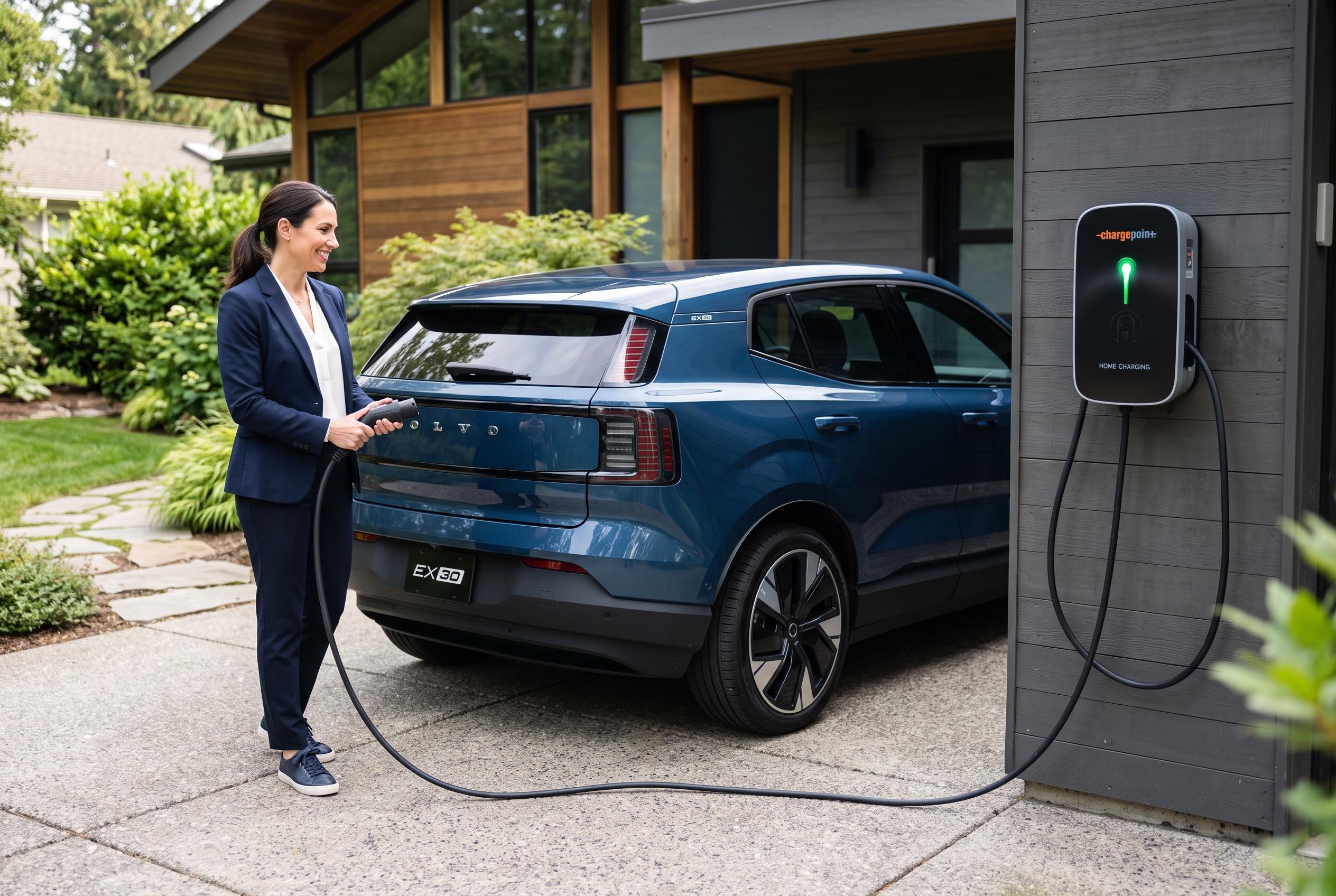

As electric vehicle adoption rises, experts emphasise the need for optimised home charging solutions, battery care practices, and smart energy use to maximise vehicle efficiency and lifespan.
Electric vehicle ownership changes the basic rhythm of refuelling. Instead of a quick stop at a petrol station, drivers are now managing range, charging windows and home energy use. According to the US Environmental Protection Agency, that shift usually starts with a proper home charging setup, because the right hardware makes day-to-day use far easier and more predictable. The EPA says a qualified electrician should check whether the property can support the charger safely before installation.
The most practical upgrade for many households is a Level 2 charger, which uses a 240-volt supply. The EPA says this can add roughly 25 to 40 miles of range per hour, far more than a standard outlet. GreenCars likewise notes that Level 2 charging is generally the better choice for daily driving, especially for commuters, larger batteries or homes with more than one EV. It is a more expensive option upfront, with GreenCars putting typical equipment costs at about $380 to $690 before installation, but the faster turnaround often justifies the expense.
Battery care matters as much as charging speed. GreenCars recommends keeping the charge level between 20% and 80% for routine use, as that reduces stress on the battery cells and may slow long-term wear. A full charge is best reserved for long journeys, while running the battery close to empty should be avoided where possible. In simple terms, EV batteries prefer a steady middle range rather than frequent extremes.
Time-of-use pricing can also shape charging costs. Many utilities offer cheaper electricity overnight, so scheduling a charge session for the quietest hours can lower bills without changing driving habits. Most EVs now include built-in scheduling tools through the dashboard or app, which allows the car to draw power automatically when rates are lower. Incentives can help too, as state and utility rebates may reduce the cost of home equipment or reward off-peak charging.
For longer trips, planning remains essential because public charging is still less dense than petrol infrastructure. Drivers are advised to map charging stops in advance, check connector compatibility and identify fallback stations in case one is busy or out of service. Temperature also affects performance: heat and cold can both slow charging and alter battery behaviour, so shaded parking, garages and battery preconditioning can all help. Regular inspection of cables and connectors is equally important, since damaged equipment can create safety risks. Tracking charge history through an EV app can then show whether a driver is charging more often than necessary or spending more than expected.
Disclaimer: This content is intended for informational purposes only. Readers are advised to exercise their own judgement, conduct due diligence, or consult a qualified expert before acting on any information provided.