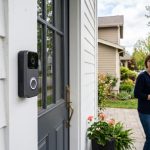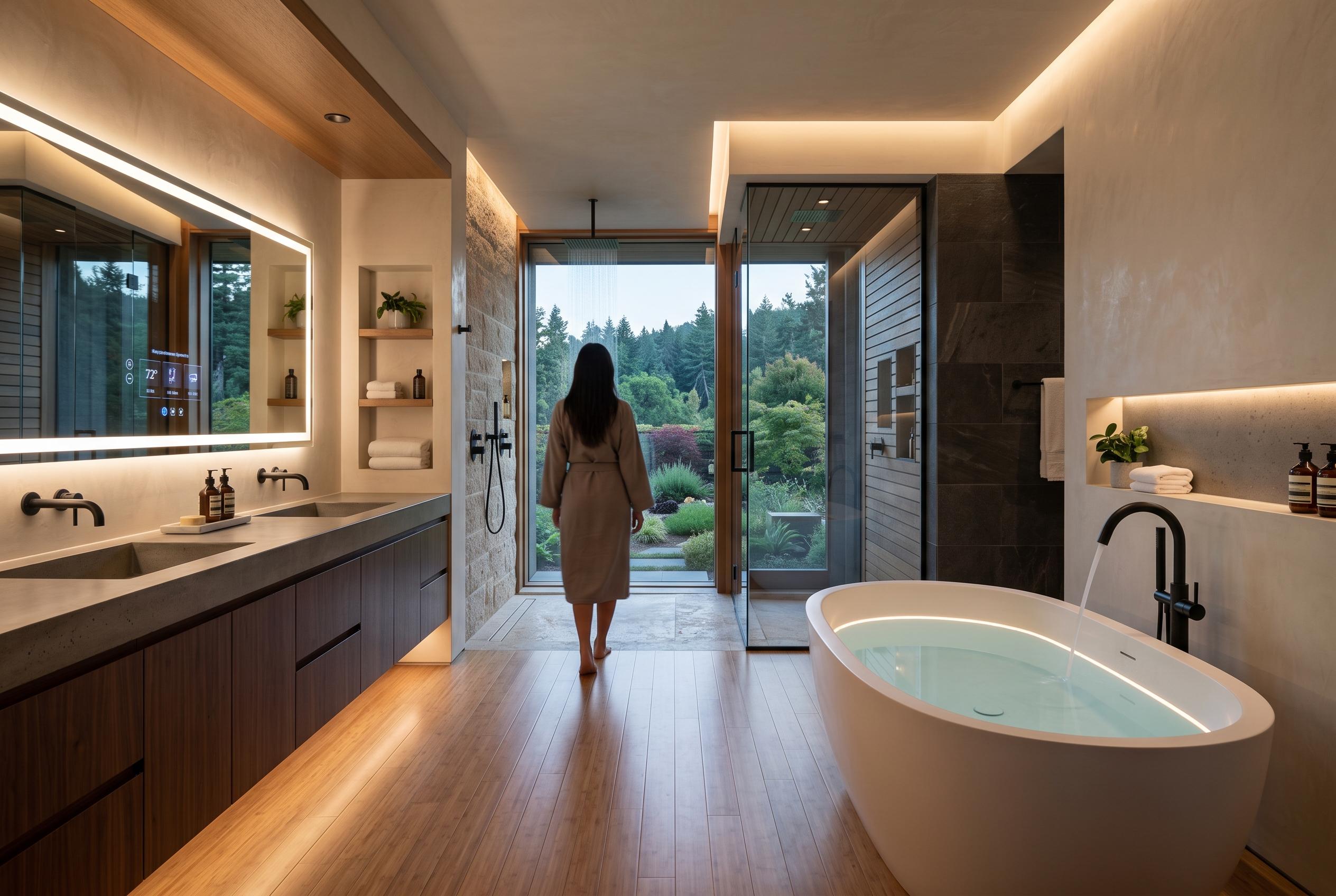

The bathroom is increasingly becoming a connected, wellness-focused space as smart fixtures, automation, and sustainability features redefine its role in modern homes, blending convenience with health and resource efficiency.
Bathrooms are moving from purely functional rooms to spaces shaped by the same connected technologies that have already changed kitchens and living rooms. According to The Home Depot, the category now extends well beyond novelty gadgets and includes smart showers, lighting, faucets, toilets, mirrors and outlets that can improve convenience, save time and reduce waste. Industry coverage from Livingetc suggests the appeal is increasingly tied to wellness as much as convenience, with buyers treating the bathroom as a private retreat rather than an afterthought.
The most visible changes are in the fixtures themselves. Smart toilets can add heated seats, bidet functions, automatic lids and self-cleaning features. Smart mirrors can display the time, weather and calendar information while also linking to music or podcasts. Touchless faucets are designed to improve hygiene, while other models can regulate temperature and flow more precisely than conventional taps. Kohler’s smart-fixture range points to the same direction, combining comfort, controls and efficiency in products intended to blend into a modern interior.
Automation is also making the room more responsive. Home Depot says homeowners can build preset scenes that change lighting, temperature and audio with a voice command or a phone app. A morning routine might brighten the lights, warm the floor and start a news podcast. In the evening, the same space can shift into a quieter setting with softer lighting and relaxing sound. Livingetc has reported similar momentum in smart showers with app and voice controls, as well as water-saving features that let users personalise the experience.
Design remains a practical constraint. Seattle Bath Remodels notes that the smartest upgrades are the ones that solve real daily problems rather than simply impressing guests. That means careful planning for wiring, plumbing, ventilation and network coverage before walls are closed up. Extra power points, stronger Wi-Fi and hidden speakers or switches can make later upgrades easier without forcing another remodel.
The sustainability case is also becoming harder to ignore. Smart shower heads can track water use in real time, while leak detectors placed under sinks or near toilets can alert homeowners before small faults become expensive damage. Motion sensors for lights and automated ventilation can cut unnecessary electricity use and help maintain a cleaner, more efficient room. For many homeowners, that mix of comfort, control and resource management is what makes smart bathroom technology more than a design trend: it is becoming a practical part of how the house works.
Disclaimer: This content is intended for informational purposes only. Readers are advised to exercise their own judgement, conduct due diligence, or consult a qualified expert before acting on any information provided.