
Industry groups question whether South Korea’s new domestic production tax credit will effectively boost local manufacturing in semiconductors and batteries, amid ongoing debates over product eligibility and policy scope.
South Korea’s new domestic production tax credit, billed by officials as a local version of the Inflation Reduction Act, is meant to strengthen manufacturing in strategic sectors such as semiconductors and secondary batteries. But the policy’s practical effect is already being questioned by industry groups, which say the enforcement decree will decide whether the incentive becomes a meaningful tool or a limited one. According to the government announcement cited by Korea.kr, the scheme is intended to support new investment in domestic production facilities and improve the competitiveness of advanced industries.
The sharpest concern in the battery sector is whether battery cells will qualify. Industry sources cited by eToday and Business Korea say there is a real possibility the credit could be confined to materials such as cathodes and anodes, leaving cells outside the scheme. That would matter because cell production carries much of the capital spending and employment in the battery value chain. Analysts say excluding cells would weaken the policy’s core goal of encouraging more production at home.
Battery companies such as Samsung SDI, LG Energy Solution and SK On are watching the final rules closely. The size of their benefit will depend not only on which products are listed but also on the base credit rate, any regional top-ups and how the authorities define eligible production. Industry voices quoted by eToday argue that the measure should mirror the broader scope of support seen in the United States, where incentives cover battery cells and modules as part of a wider manufacturing push.
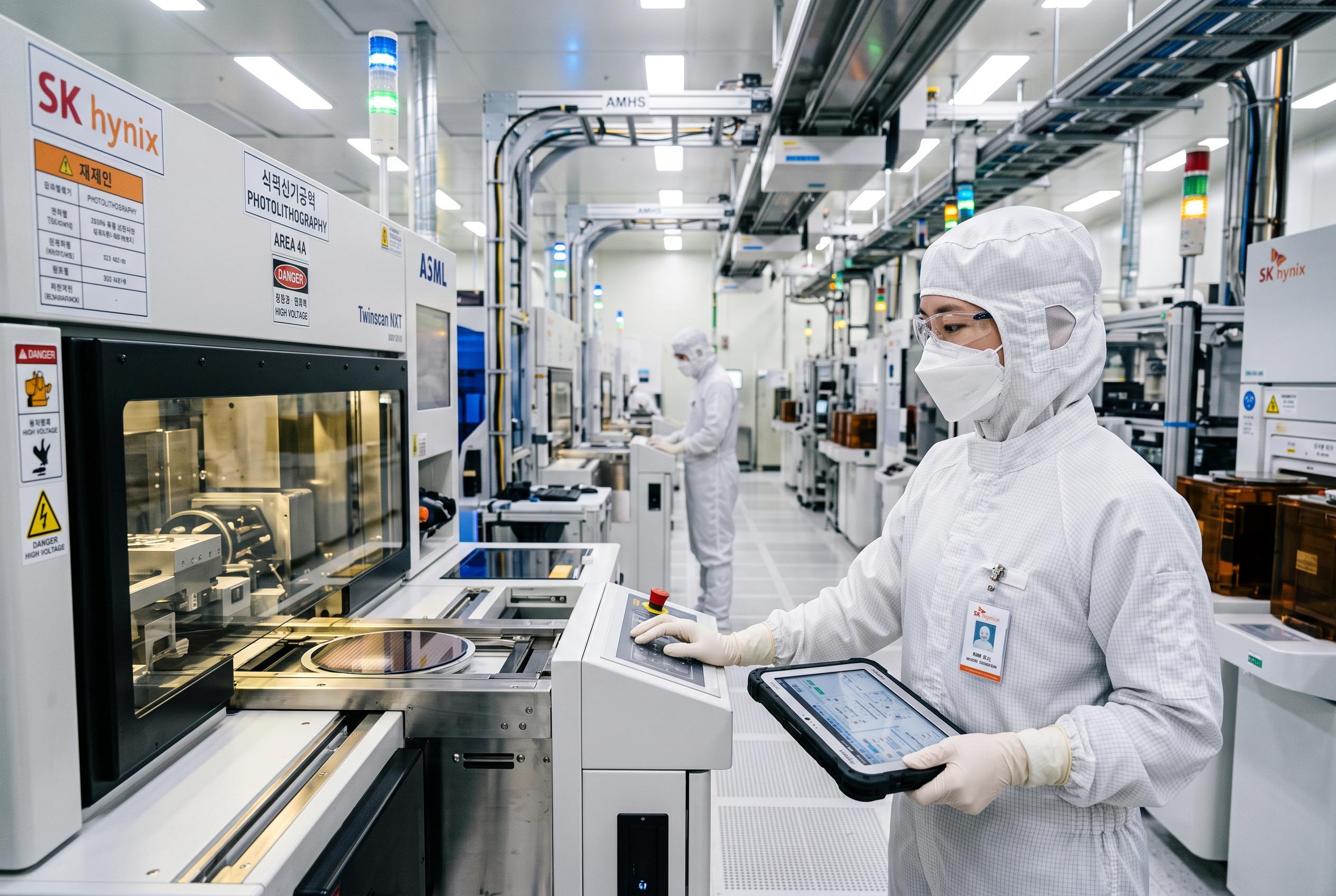
Semiconductor makers have their own reservations. The new credit applies only to products made in South Korea and sold in the domestic market, a condition that could sharply limit the usefulness of the scheme for an export-led industry. As the Korea Economic Daily and Electronic Times reported, the sector wants the rules to recognise chips used as intermediate goods inside domestic manufacturing chains, or chips processed in South Korea and later exported. Without that flexibility, companies say the benefit could remain largely theoretical.
There is also concern that the new incentive may overlap awkwardly with existing investment tax breaks. Industry representatives quoted by eToday say the system should be designed to support domestic production capacity as a whole, rather than narrow product categories. The government says the decree will settle the remaining details, but for now the debate centres on a simple question: whether the credit will be broad enough to shift investment decisions in two of South Korea’s most important advanced industries.
Disclaimer: This content is intended for informational purposes only. Readers are advised to exercise their own judgement, conduct due diligence, or consult a qualified expert before acting on any information provided.