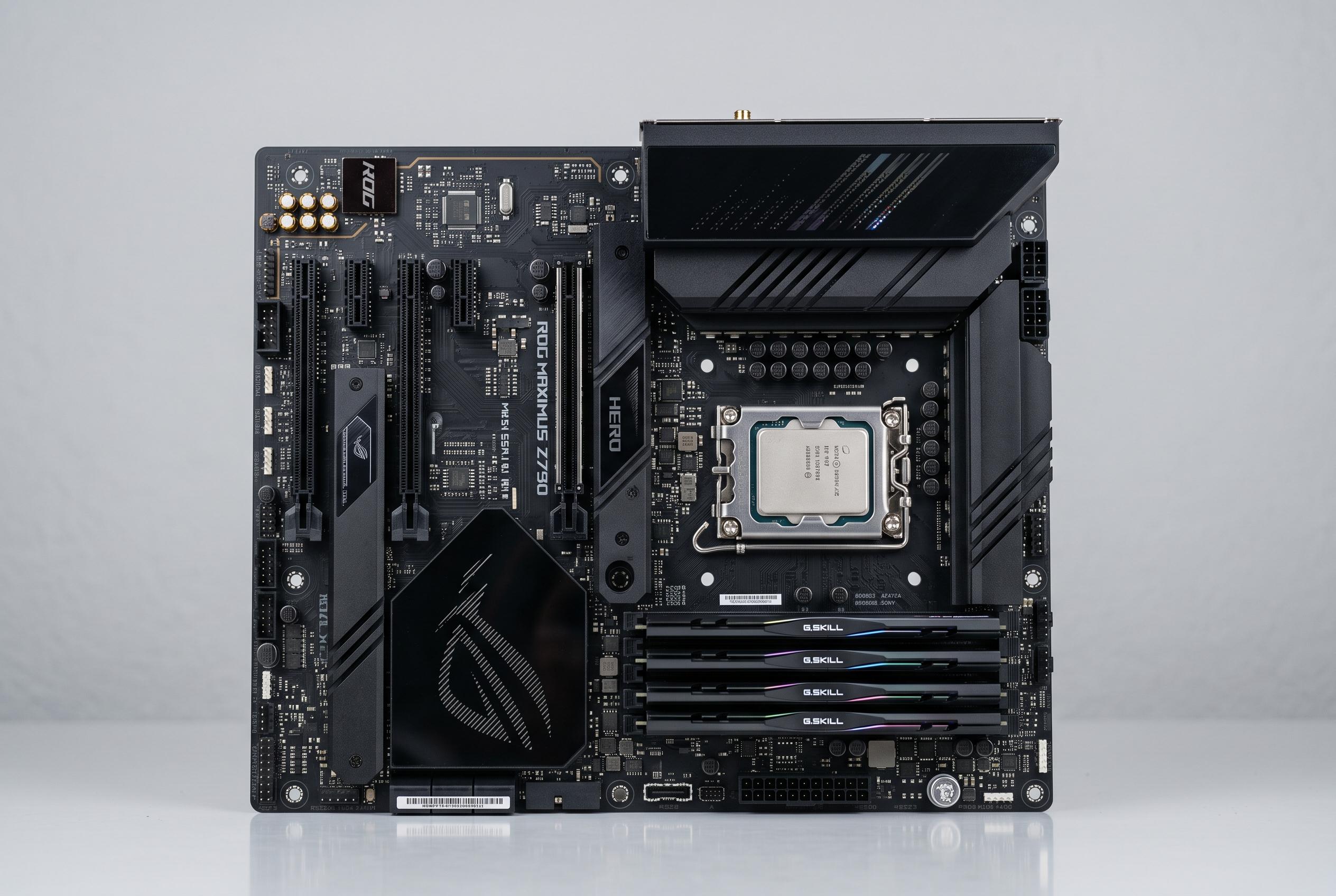

Samsung’s latest outlook indicates severe and sustained memory shortages into 2028, driven by AI-driven capacity shifts, risking higher prices and supply constraints across consumer tech sectors.
Samsung’s warning that memory shortages are tightening again suggests the market for DRAM may remain under strain well into the second half of the decade. In its latest results, the company said supply conditions are worsening as chipmakers divert capacity towards artificial intelligence customers, who are buying at scale and locking in future output. Industry coverage from TechRadar and Tom’s Hardware says Samsung sees the most severe pressure in 2027, with shortages potentially extending into 2028.
The implication is broader than server hardware. A sustained squeeze on memory could keep prices elevated for laptops, smartphones, game consoles and other consumer devices that depend on standard DRAM. Tom’s Hardware reported that Samsung’s memory chief described “significant shortages” across product lines and said demand fulfilment rates have fallen to very low levels as buyers rush to secure supply in advance.
For consumers, that pressure lands at a time when device makers are already balancing higher component costs against slower upgrade cycles. Samsung’s own outlook, as relayed by TechRadar, points to an industry where AI infrastructure increasingly sets the pace for memory allocation, leaving less room for the mass-market products that shape everyday purchasing decisions. If that pattern holds, the current RAM crunch may look less like a temporary disruption and more like a structural shift in the market.
Elsewhere in mobile software, Google is testing a small but useful refinement to Messages. According to Phonandroid, the beta version now lets users reorganise attachment shortcuts by long-pressing icons, making it easier to bring the most-used tools to the front. The interface is also gaining an expanded view that places more send options on one screen, which should reduce the amount of tapping needed when sharing files, photos or location data.
The same weekly roundup points to other developments across the device market: a possible early-September unveiling window for the iPhone 18, a web-based way to run Game Boy titles without local software, and a significant Google Play services update reaching Samsung phones. Taken together, the changes show how quickly the software layer around consumer hardware keeps shifting, even as the supply chain underneath it grows more constrained.
Disclaimer: This content is intended for informational purposes only. Readers are advised to exercise their own judgement, conduct due diligence, or consult a qualified expert before acting on any information provided.