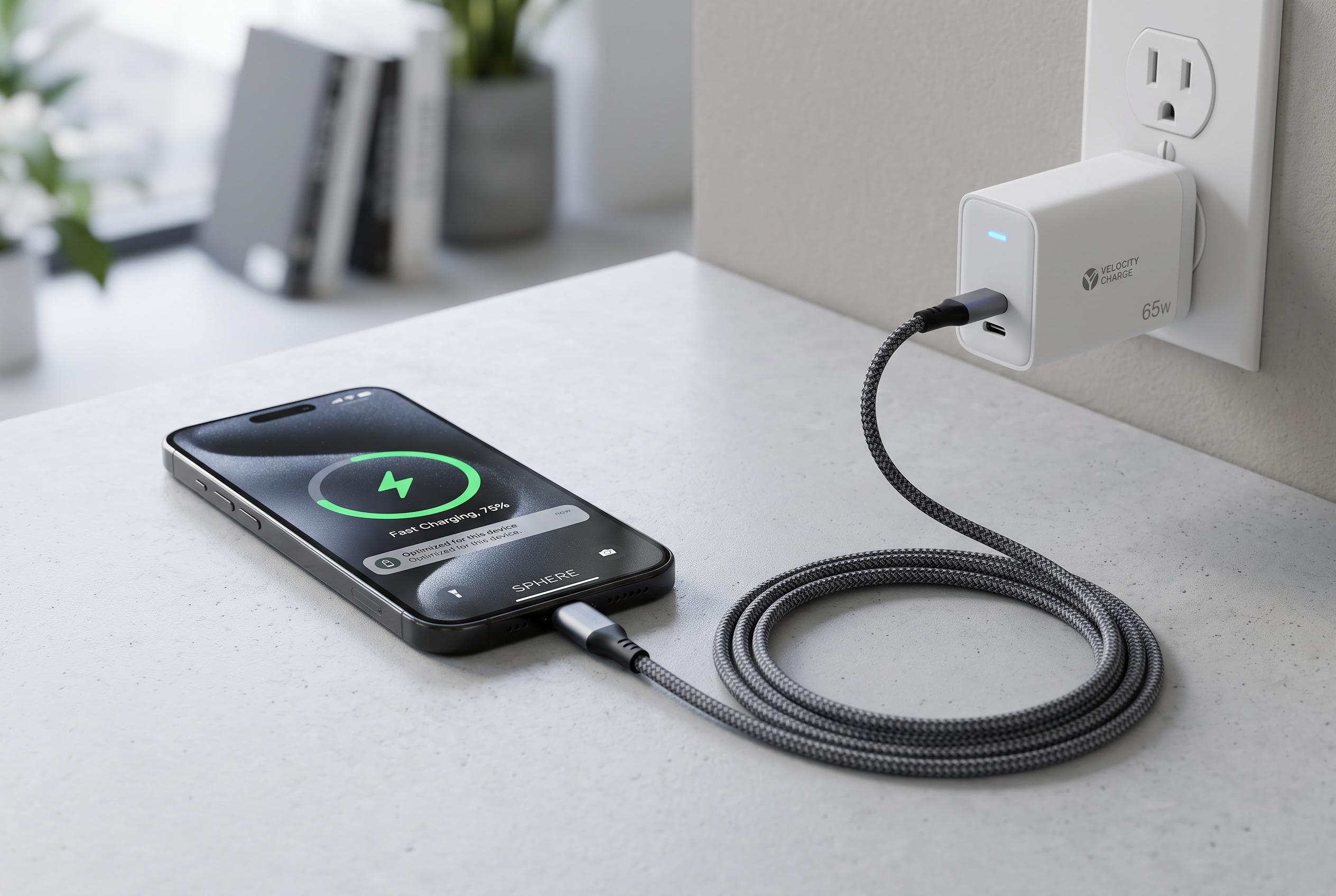

While wattage on phone chargers is a key indicator of charging speed, experts warn that it alone doesn’t guarantee rapid charging. Matching charger output with device capabilities and cable specifications are critical factors for safe, efficient power delivery.
When shoppers compare phone chargers, the wattage printed on the box is often the first figure they notice. That is because watt, the unit of power, offers a simple way to estimate how quickly a charger can deliver energy to a device. As BGR has noted in its coverage of charging basics, this is easier to read than voltage and current separately, which were the older way of describing chargers.
The key formula is straightforward: watts equal volts multiplied by amps. In practical terms, voltage is the electrical pressure and current is the flow. Put together, they show the total power being delivered. Guides from Androxus and Powerbankio explain that different combinations of voltage and current can produce the same wattage, which is why wattage has become the common shorthand for charging performance.
Even so, a higher wattage on a charger does not guarantee the fastest possible charge. The phone, the cable and the charger all negotiate how much power can be used safely. Anker SOLIX says matching the charger’s output to the device’s maximum supported input matters as much as the headline wattage. GeekChamp also notes that peak wattage can be misleading, because sustained power over time is a better indicator of real charging speed.
Cable choice can be a limiting factor too. Standard USB-C cables are often rated for 60W, while higher-power charging may require e-marker chips in the cable to confirm that it can handle the load. In other words, wattage is a useful starting point, but it is only one part of the charging chain. For users trying to buy the right accessory, the safest approach is to check the charger rating, the cable specification and the phone’s own charging limit together.
Disclaimer: This content is intended for informational purposes only. Readers are advised to exercise their own judgement, conduct due diligence, or consult a qualified expert before acting on any information provided.