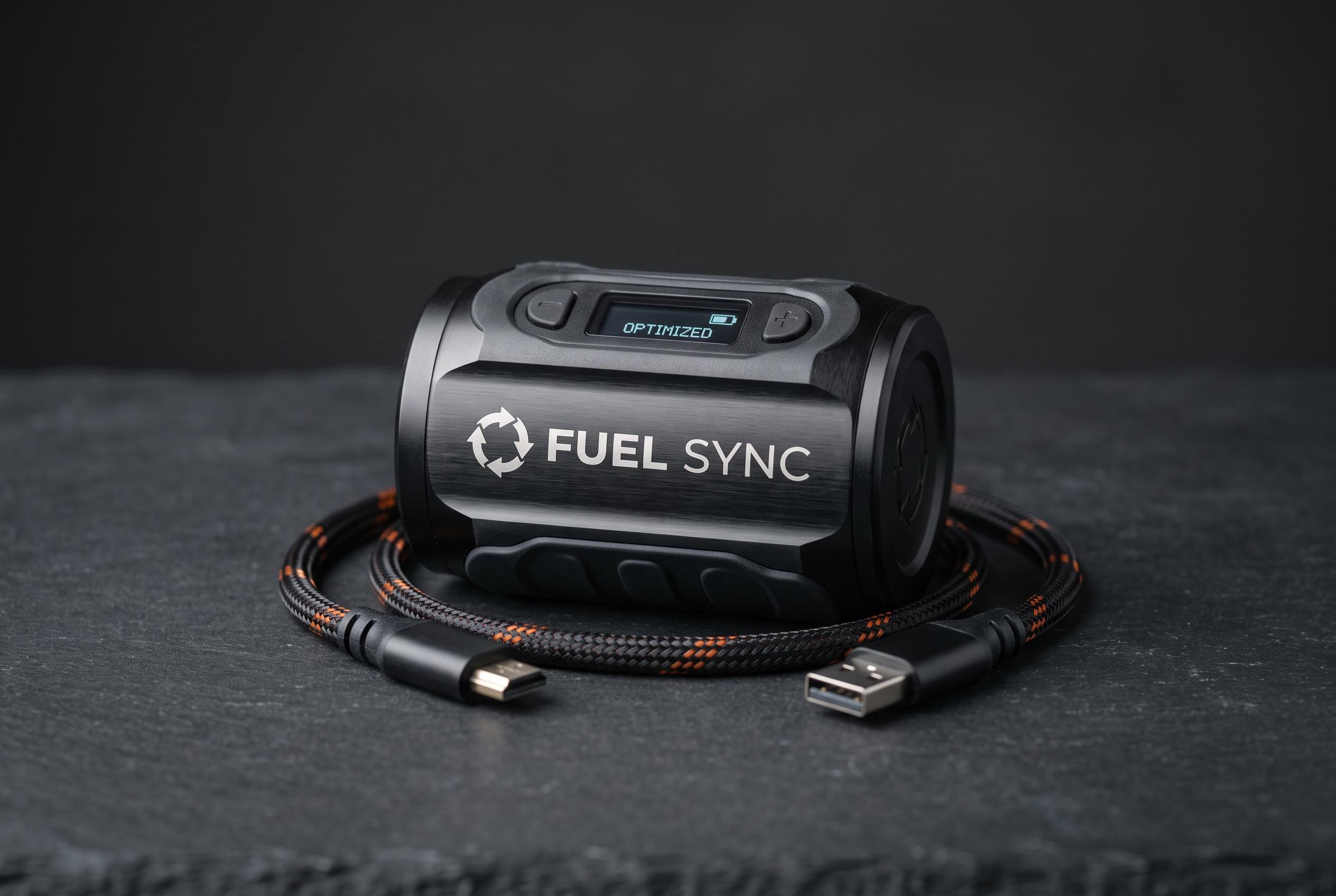

MalwareTips warns that Fuel Sync, a device claiming to reduce fuel consumption without driving changes, lacks credible evidence and may lead buyers into ongoing subscriptions, highlighting the persistence of deceptive marketing tactics in the fuel-saving gadget market.
Fuel Sync is being sold as a small plug-in gadget that can cut fuel use without any change in driving habits. The pitch is designed to meet a familiar pressure point: high fuel prices, a simple-looking device and the promise of savings large enough to repay the purchase quickly. But according to MalwareTips, the claims do not stand up to scrutiny, and one version of the sales funnel also leads buyers into a separate recurring charge of $49.99 every 30 days.
The basic problem is technical credibility. MalwareTips said the product is promoted with shifting explanations, including references to electromagnetic signals, artificial intelligence, ECU optimisation and advanced chips, depending on the website. Some pages describe a unit that plugs into a cigarette-lighter socket, while others say it goes into an OBD2 diagnostic port. Those are not minor presentation differences. They are conflicting claims about how the product is supposed to work, and there is no controlled retail test or vehicle-specific evidence showing that the device changes fuel delivery in a meaningful way.
That pattern fits a wider category of fuel-saving schemes that regulators have warned about for years. The Federal Trade Commission said in 2002 that internet marketers were making misleading claims about gas-saving devices and additives, and noted that products such as fuel-line magnets and air bleed devices did not significantly improve mileage. In 2021, the agency also sued FleetCor over hidden fuel-card fees and false savings promises, underscoring how fuel-related marketing can rely on vague benefits while the real economics are less favourable than advertised.
MalwareTips said another concern is the sales structure itself. The same Fuel Sync name appears on multiple storefronts with different designs, prices and contact details, which makes it difficult to identify any stable manufacturer or accountable seller. The article also says the checkout flow is tied to Aviroo Home, whose terms allow a payment card to be charged $49.99 every 30 days, beginning 12 days after purchase. Over a year, that would total $599.88 before tax, turning what looks like a low-cost gadget into a much larger ongoing expense.
For consumers who have already bought the device, the practical advice is to preserve every record, check for recurring billing language and cancel any membership in writing. MalwareTips recommends saving the advert, order confirmation, receipt and screenshots of the checkout page, then contacting the card issuer promptly if the charge was not clearly authorised. The broader lesson is simple: a universal plug-in device with no independent test report is not a credible way to cut fuel costs by 35% or 45%, no matter how polished the website looks.
Disclaimer: This content is intended for informational purposes only. Readers are advised to exercise their own judgement, conduct due diligence, or consult a qualified expert before acting on any information provided.