
Experts reveal that separating streaming hardware from TV displays offers enhanced control, faster performance, and longer software support, making a case for dedicated streaming devices over built-in platforms.
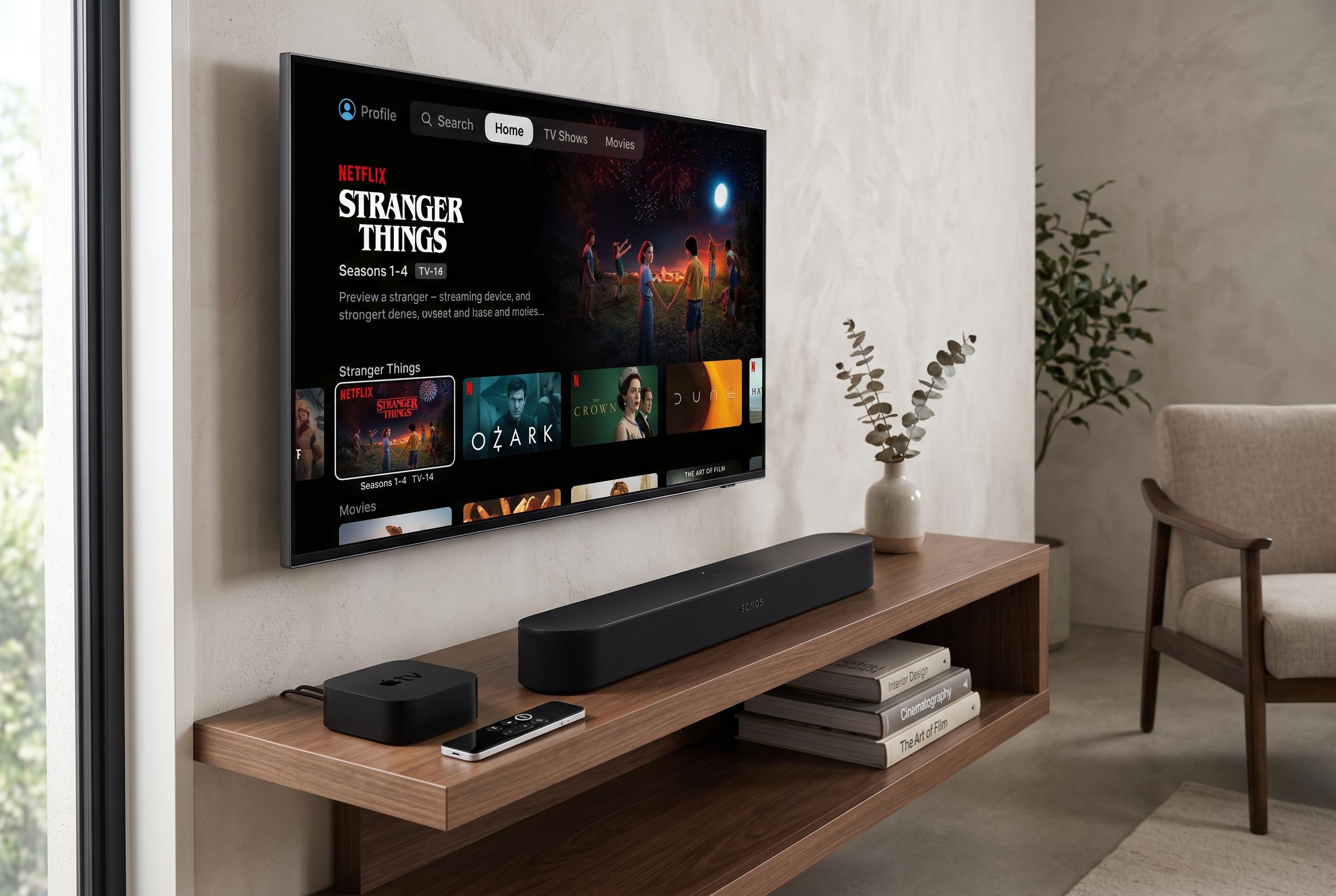
The smartest reason to keep a separate streaming device is not novelty but control. A television can remain an excellent panel for years, while the software built into it often ages far more quickly. As XDA Developers argues, the most practical approach is to let the set do what it does best – display video – and move the app layer to hardware that can be replaced on its own schedule. That split matters because it keeps the viewing experience from being tied to a manufacturer’s interface choices.
A dedicated box also makes every television feel familiar. PCWorld notes that external devices such as Roku, Fire TV and Apple TV tend to offer faster performance and a cleaner interface than many built-in smart platforms, while SlashGear points to the value of a consistent home screen and remote layout across different sets. That consistency reduces friction when switching rooms or replacing a television, because the user is not forced to relearn menus, inputs and playback controls each time.
The other advantage is lifespan. Tom’s Guide says one of the clearest reasons to use a streaming device is better software support, along with stronger processing power and, in some cases, better upscaling. That separation between screen and software is important. The television can continue serving as a display even after its native platform has become slow, cluttered or poorly supported, while the streaming box can be upgraded independently when it stops meeting expectations.
There is still a strong argument for using the television as it comes out of the box. Built-in apps eliminate extra cables, another power adapter and the need to find space behind the cabinet. For a household that mainly uses a handful of major streaming services, the simplest setup can also be the most sensible. Modern smart TV platforms have improved app availability, voice control and integration, and for secondary screens such as a guest room television, an external device may add more complexity than value.
Even so, the extra hardware often pays for itself in day-to-day use. A streaming box can make it easier to switch between services, maintain support for local media and escape a manufacturer’s redesigned menus or inserted promotions. HDMI-CEC, the feature that lets connected devices control power, input selection and volume over HDMI, can reduce the number of remotes in use, although support varies and usually needs to be enabled on each component. Once set up, the television becomes mostly invisible, which is often the point.
That is why many experienced users now treat smart TV software as optional rather than central. External players are not a cure-all, and they can bring their own software changes, advertising and compatibility issues. But as PCWorld and Tom’s Guide both suggest, they remain the better choice when responsiveness, support and interface stability matter. The television then lasts on the strength of its picture, not on the quality of the software package bolted to it.
Disclaimer: This content is intended for informational purposes only. Readers are advised to exercise their own judgement, conduct due diligence, or consult a qualified expert before acting on any information provided.