
A detailed review reveals that shifting from cloud-dependent devices to local processing offers greater reliability, privacy, and control in smart home setups, challenging the dominance of mainstream connected gadgets.
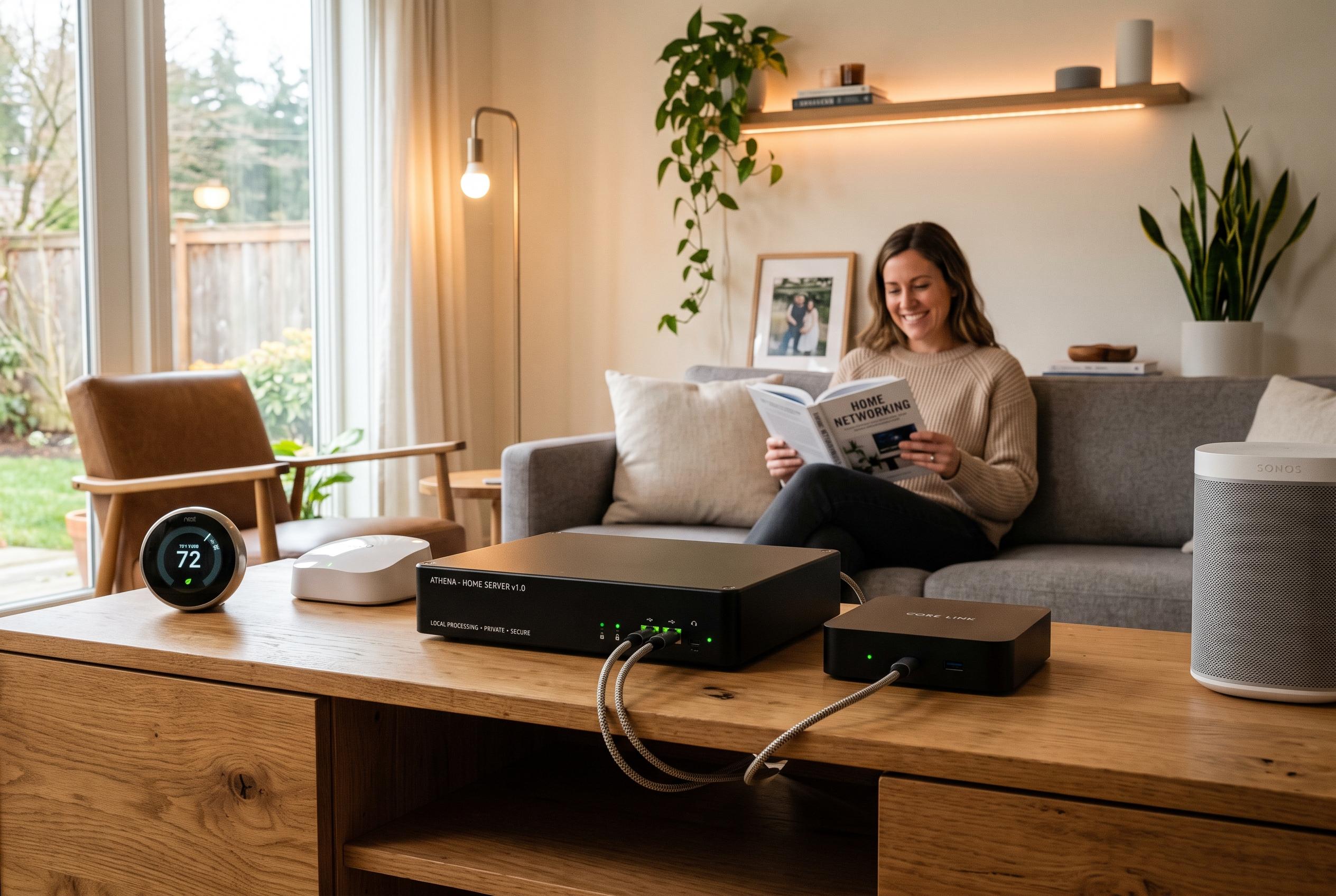
The promise of a smart home is convenience, but the hidden cost is often dependence. After months of buying, testing and configuring connected gadgets, one writer found that the products marketed as intelligent were often the ones that created the most friction. Moving to Home Assistant and a local-first setup changed that balance, replacing cloud reliance with devices and automations that stayed under direct control.
Smart speakers were the first disappointment. An Amazon Echo Plus and an Apple HomePod handled weather checks, music and quick queries, but only within rigid command patterns that made voice control feel mechanical. There was also a privacy trade-off: always-on microphones meant conversations were being processed through a company’s servers. The answer was not to abandon voice entirely, but to shift it on to a local assistant built with a large language model running on a Home Assistant home server, keeping commands inside the home network.
Lighting exposed a different weakness. Philips Hue bulbs worked, but only after adding a proprietary bridge that created another layer of hardware and another app to manage. That setup also limited interoperability with bulbs from other brands. Replacing the bridge with a USB Zigbee coordinator plugged into the home server broadened compatibility and allowed scenes and effects to be recreated as custom automations. The result was less polished than the vendor app, but it offered more control and ownership.
Smart plugs turned out to be another example of small convenience leading to large complexity. Buying multiple brands meant juggling several apps, each with a separate login, just to switch devices on and off. Some of those plugs were later flashed with ESPHome firmware, an open-source platform that lets hardware be integrated locally. The process took effort, but it brought all the plugs into one dashboard and removed the need to remember which app controlled which device.
The same pattern appeared with a robot vacuum and a video doorbell. The vacuum would not start cleaning until it had checked the manufacturer’s servers, which meant delays whenever the service or home internet failed. The mapping data also sat on a third party’s infrastructure, raising privacy concerns. A community integration offered some local control, but not every feature was available, such as the camera feed. The doorbell was even more revealing: clip storage, smart alerts and person detection were tied to a recurring subscription, pushing the owner towards a local Frigate setup on a mini PC so footage stayed within the home.
The broader lesson is not that connected devices are bad, but that cloud dependency needs to be checked before purchase. According to recent smart home guidance from T3 and other local-first advocates, devices with local processing are more resilient during internet outages and can better protect privacy because they do not need to rely on remote servers for basic functions. The practical question is whether a device still works when the internet fails, and whether essential features are locked behind a payment plan. For this writer, moving away from cloud-first products reduced friction, improved reliability and made the smart home feel less like a subscription service and more like a system that actually belonged to the household.
Disclaimer: This content is intended for informational purposes only. Readers are advised to exercise their own judgement, conduct due diligence, or consult a qualified expert before acting on any information provided.