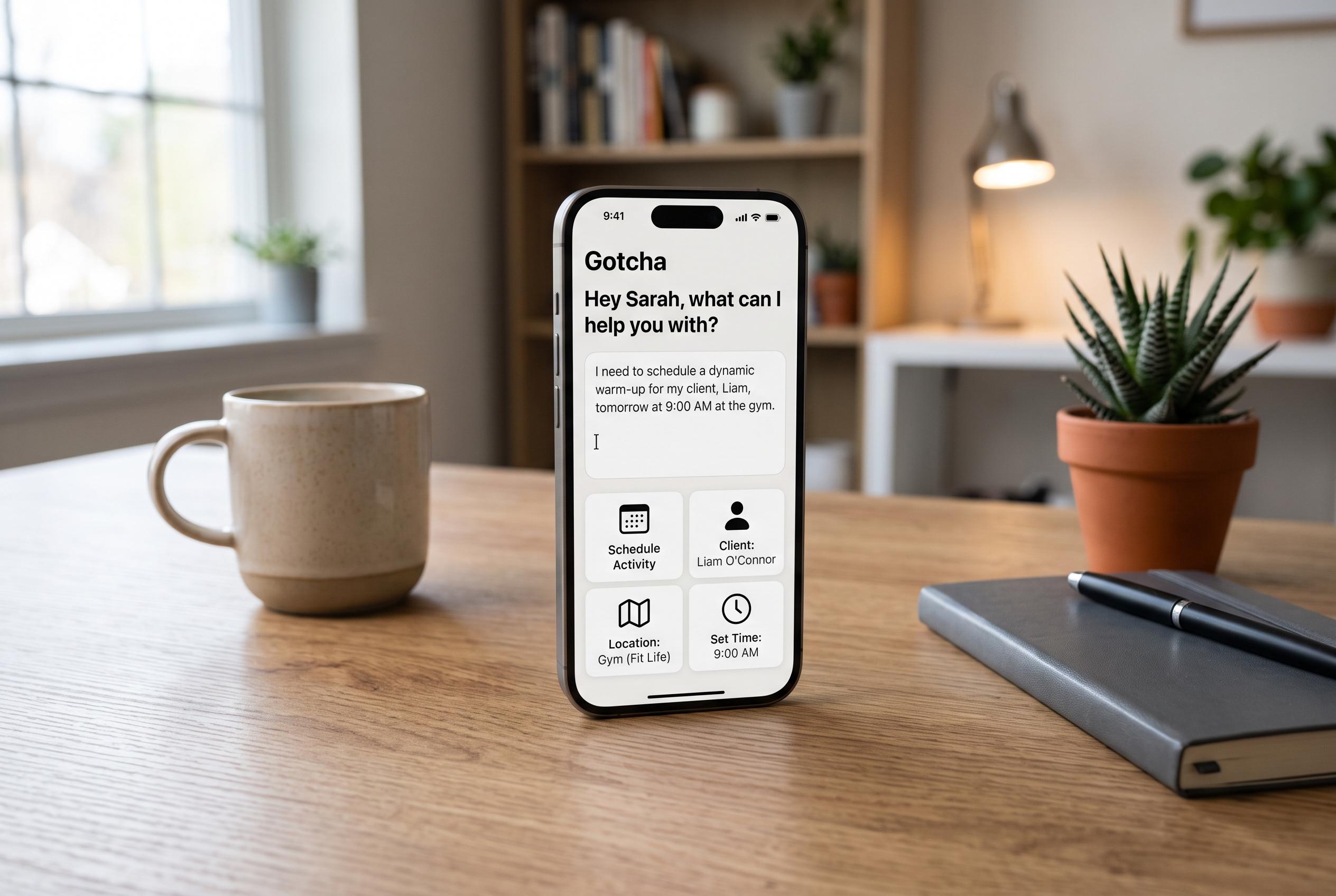

A new open-source Android app called Gotcha aims to redefine mobile assistants by executing tasks directly on devices using natural-language commands, emphasising privacy and customisable AI models.
A new Android application called Gotcha is being pitched as a different kind of mobile assistant: one that does not merely answer questions, but carries out tasks on the device itself. According to the project’s announcement on Medium, the open-source app is designed to read the screen, interact with Android controls, launch apps, manage files and even run terminal commands, all from natural-language prompts. The developer says it is intended to operate fully on device, with no separate computer or tethered desktop session required.
The central claim is that Gotcha combines large-language-model planning with direct phone control. The app uses Android’s accessibility service to inspect and manipulate the interface, while exposing more than 100 tools for actions such as messaging, calendar edits, alarms, smart-home control and document handling. The project also says it supports OpenAI-compatible endpoints, including hosted and local models, so users can connect their own model provider rather than relying on a single back-end service.
Privacy is positioned as a core selling point. The project says there is no telemetry, no analytics and no crash-reporting SDK, with user data kept in Android’s private storage. It also says documents are processed on the device rather than uploaded elsewhere, although prompts and screen content will still travel to any cloud model the user chooses to connect. That makes the system more private than many assistant products, but not fully local unless a user points it at a local model server.
The announcement also tries to distinguish Gotcha from the many other Android apps using the same name. Google Play and the App Store listings included in the source material refer to unrelated products such as a random-picker game, a mesh-networking app, a messaging service and a lost-and-found tool. By contrast, this Gotcha is being marketed as a device-operating copilot rather than a consumer utility, and the difference matters: the project is not trying to answer a single query, but to complete the underlying task on the phone itself.
Disclaimer: This content is intended for informational purposes only. Readers are advised to exercise their own judgement, conduct due diligence, or consult a qualified expert before acting on any information provided.