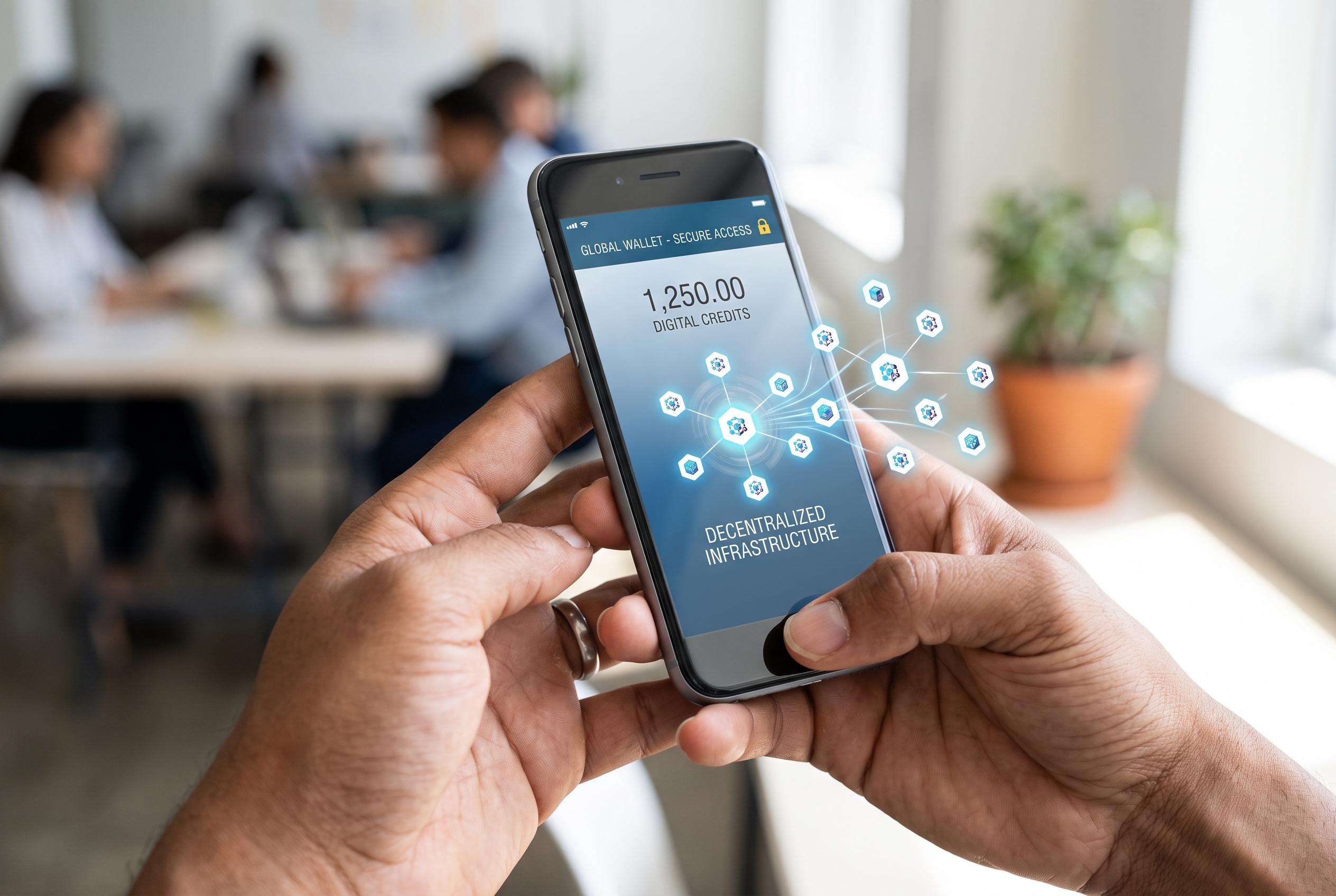

With billions of smartphones in circulation, the device is transforming from a user interface into a pivotal component of decentralised networks, empowering users with secure wallets and advancing financial inclusion through innovative blockchain applications.
The smartphone has become one of the most important entry points into blockchain and cryptocurrency, not because it is a specialist device but because it is already in billions of hands. For users in markets where branch banking is limited or paperwork is a barrier, a mobile phone can be the first practical route to digital wallets, payments, decentralised finance and blockchain-based applications. That mobile-first reach is helping to turn crypto from a niche technology into a consumer tool.
One of the clearest examples of that shift is Acurast, a decentralised compute network built around smartphones. According to CoinMarketCap Academy and Acurast’s own documentation, the project uses trusted execution environments on compatible phones to let developers run code across a distributed fleet of devices while keeping data and processes isolated. In practice, participants install the Acurast Processor app on Android or iOS devices, contribute spare computing capacity and receive token rewards. The company says the system is designed to reduce dependence on centralised cloud providers while making compute more secure and more cost-efficient.
That same device also works as a personal crypto vault. Wallet apps allow users to hold assets directly, rather than leaving them with a bank or exchange, while hardware-backed security features on modern phones add another layer of protection through fingerprint checks, facial recognition, encryption and secure enclaves. For many users, this combination has made the smartphone the default interface for storing, sending and receiving digital assets.
Mobile access has also lowered the barrier to everyday crypto use. Users can make cross-border transfers in minutes, trade on exchanges, interact with DeFi protocols and manage NFTs or digital identity tools without sitting at a desktop computer. Projects such as Celo and Stellar have long pushed a mobile-first model for financial inclusion, arguing that smartphones can extend financial services to people who have never had a bank account. In that sense, the device is not only a communications tool but a basic access point to digital finance.
The broader industry is increasingly designing around that reality. Acurast’s documentation says its network is open to developers deploying applications, APIs and even large language models, while its token system is tied to compute, fees and rewards. That points to a wider trend in Web3: the phone is no longer just where users consume blockchain services. It is also becoming part of the infrastructure itself, with ordinary devices contributing to decentralised networks as well as using them.
Disclaimer: This content is intended for informational purposes only. Readers are advised to exercise their own judgement, conduct due diligence, or consult a qualified expert before acting on any information provided.