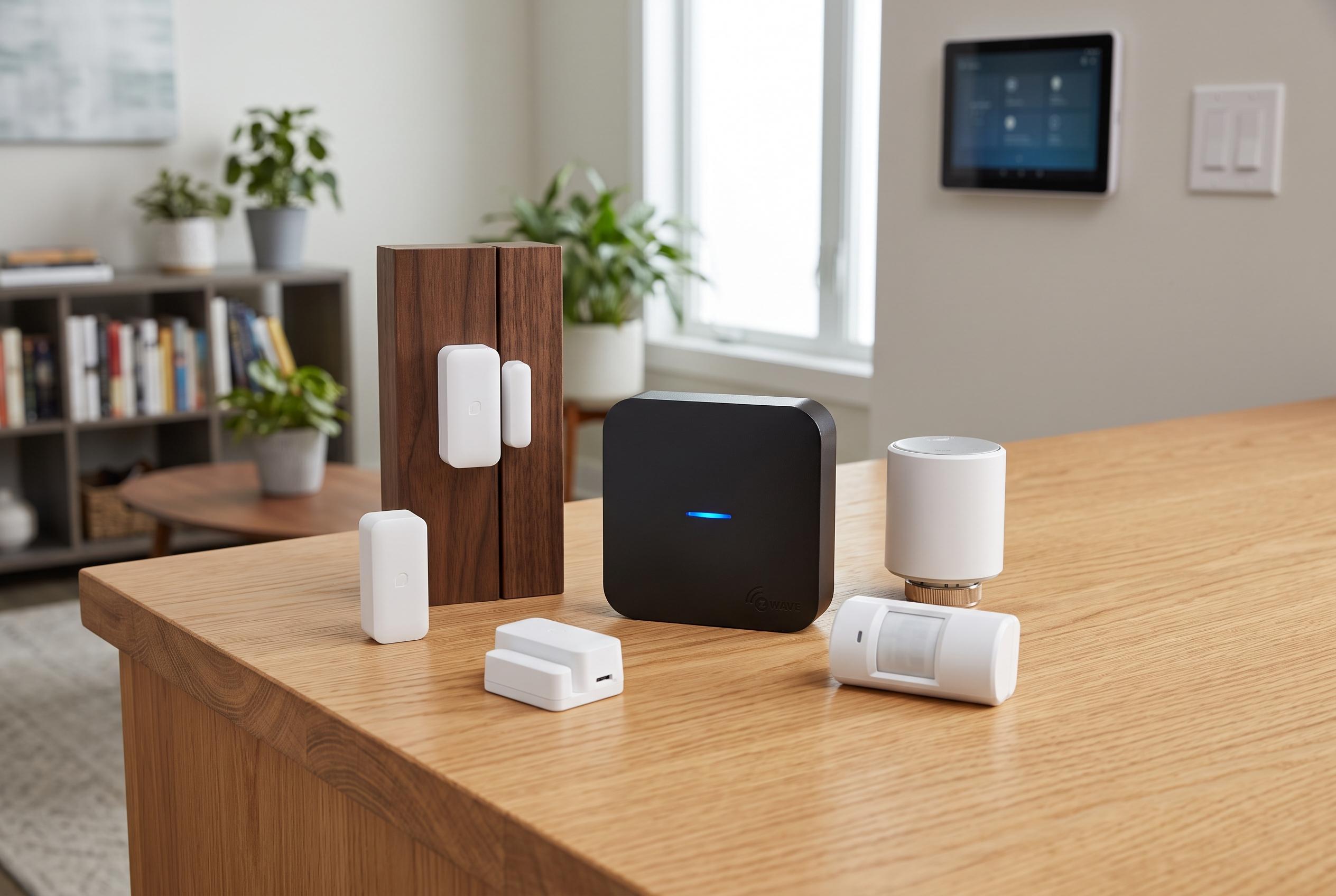

The Z-Wave Alliance promotes its early-established protocol, highlighting its extensive deployment, robust interoperability, and suitability for secure, dependable home automation in an increasingly crowded market.
The Z-Wave Alliance is seeking to reinforce one of the smart home industry’s older wireless standards by pointing to its scale, technical resilience and long record of interoperability. The alliance says more than 300 million Z-Wave devices have been deployed worldwide, a figure that underlines the protocol’s endurance in a market now crowded with newer connectivity options. Its appeal remains rooted in practical design: devices form a low-power mesh network, where powered products help carry signals for others and improve coverage as the system expands.
That architecture still matters for categories where reliability is more important than novelty. Smart locks, lights, security systems, thermostats, leak sensors and energy-management products all depend on stable communication, and Z-Wave’s use of sub-GHz spectrum helps it avoid the congestion that can affect 2.4GHz networks. The alliance argues that this makes the protocol better suited to homes that need secure and dependable automation rather than high-bandwidth data transfer.
The broader market evidence suggests the company has a case to make. In its 2022 State of the Ecosystem Report, the alliance said 97% of control system owners and 90% of smart security system owners had added devices, indicating that existing users are still building out their systems. Its 2023 ecosystem report also pointed to growth in the US and compared adoption trends in the UK, France and Germany, while highlighting interoperability as a key purchasing factor and a major barrier to wider adoption when it is missing. That long-term installed base, together with the persistence of cross-brand compatibility, remains central to Z-Wave’s pitch.
Disclaimer: This content is intended for informational purposes only. Readers are advised to exercise their own judgement, conduct due diligence, or consult a qualified expert before acting on any information provided.