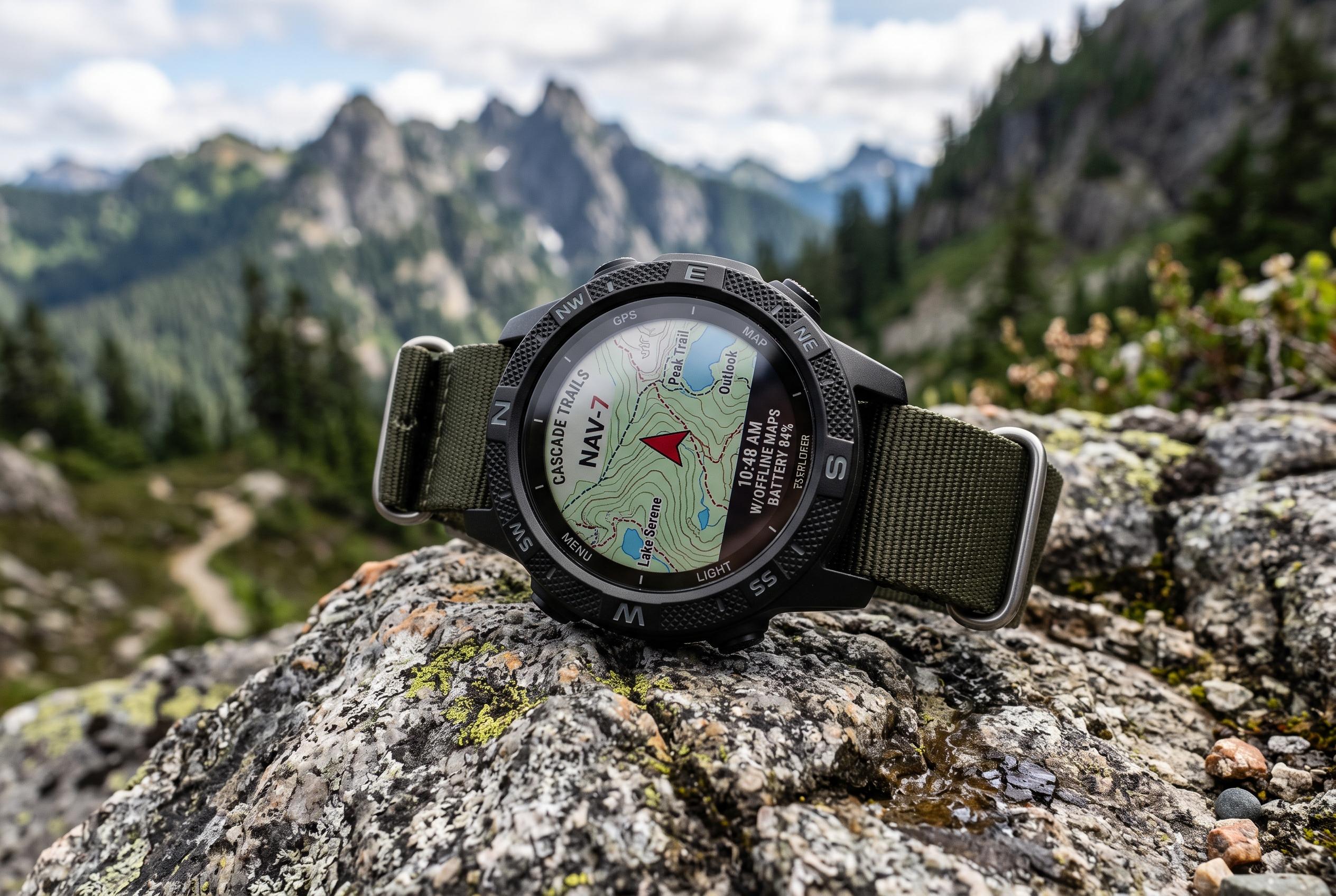

As Garmin prepares to launch its flagship Fenix 9, a surge of alternative adventure watches with extensive offline mapping and long battery life are providing compelling options for outdoor enthusiasts without the premium price tag.
Garmin’s next flagship adventure watch is not yet on wrists, but the wait may not be worth the premium for many buyers. TechRadar says the Fenix 9 is expected soon and, if previous launches are any guide, it will probably arrive with a high price tag. For hikers, trail runners and anyone who mainly wants offline maps, route guidance and training metrics, there are already capable alternatives on sale now.
The appeal of these watches is practical rather than flashy. Smartwatches Trends notes that models such as the Garmin Fenix 8, Enduro 3, Coros Vertix 2S, Suunto Vertical, Coros Apex 2 Pro and Apple Watch Ultra 2 all offer offline mapping in different forms, along with GPS tracking, durability and long battery life. The right choice depends on whether the user wants the deepest navigation tools, the best fitness analytics or the broadest phone compatibility.
For buyers seeking a lower-cost option, Coros has become one of Garmin’s most serious rivals. Tom’s Guide reports that the Coros Nomad, launched in August 2025 at $349, includes offline map downloads, dual-frequency GPS, environmental data such as tides and weather alerts, and up to 22 days of battery life in smartwatch mode. Android Central says the watch adds strong route handling, a rugged build and an Adventure Journal feature for voice notes and geotagged pins, although it does not match Garmin’s more mature navigation software.
Amazfit is also pushing into this market with a more aggressive price-to-feature balance. T3 says the Amazfit Cheetah 2 Ultra, released in May 2026 for $600, uses a titanium case, a bright 1.5-inch AMOLED display and 64GB of map storage, while offering offline topographic maps, turn-by-turn navigation, ski maps and up to 30 days of battery life in typical use. That puts it close to premium multisport watches in capability, even if Garmin still retains an edge in navigation depth and solar charging.
At the budget end, TechRadar’s review of the AGM Legion Pro suggests that even sub-$100 devices can now deliver core outdoor functions, including offline maps, a compass, barometer and altimeter. Its weaker health tracking and slower GPS lock make it less polished than premium rivals, but the trade-off is clear: adventure-ready basics without a serious financial outlay. Taken together, the market now offers a wide range of choices for users who do not need to wait for Garmin’s next flagship to get mapping, tracking and endurance on the wrist.
Disclaimer: This content is intended for informational purposes only. Readers are advised to exercise their own judgement, conduct due diligence, or consult a qualified expert before acting on any information provided.