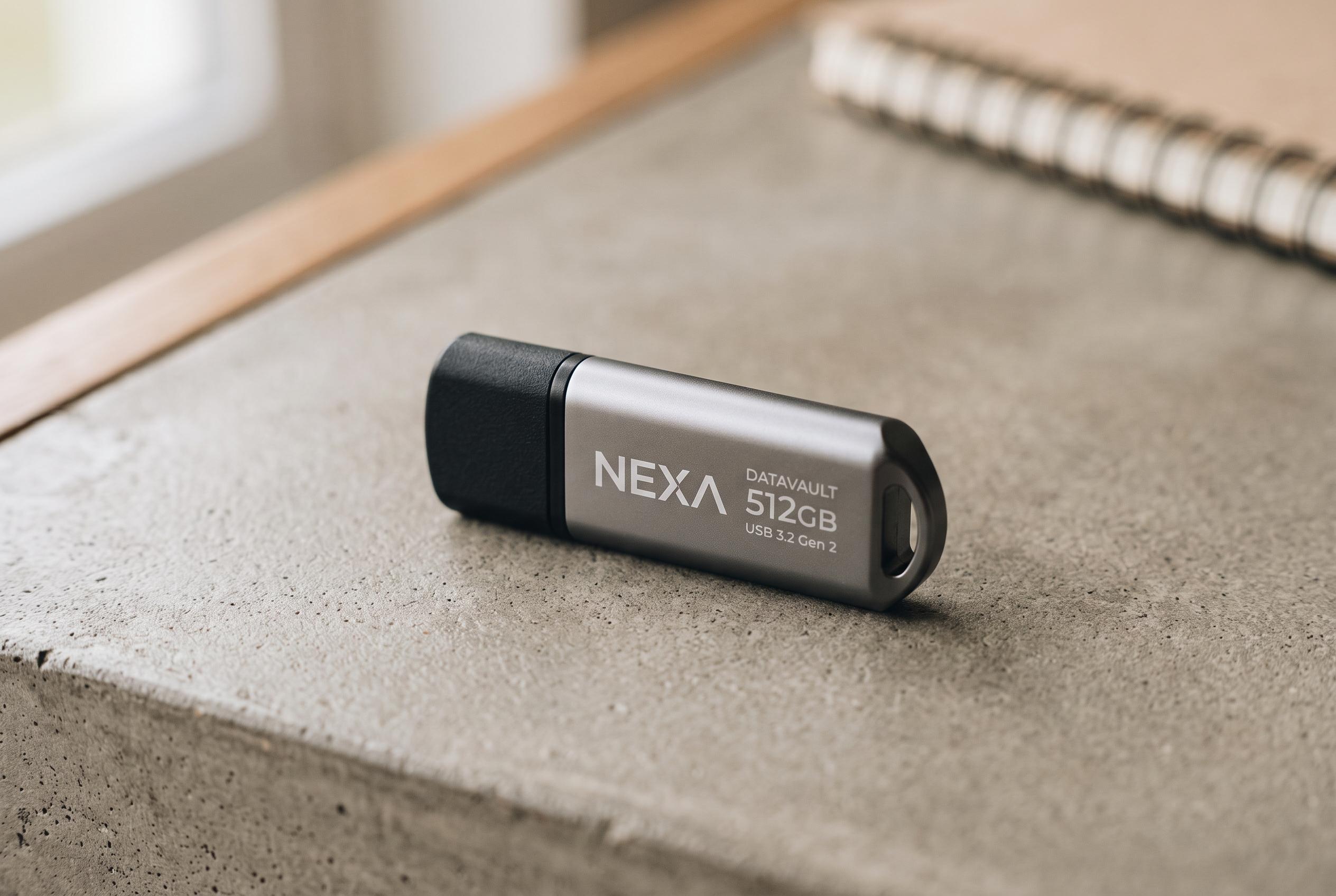

As larger and faster storage options become more accessible, USB flash drives are shrinking in role but maintaining a practical niche for lightweight, portable data transfer amid rising costs and capacity challenges.
USB flash drives, once the default answer for quick file transfers and portable storage, are looking less essential as device needs and storage economics change. Engadget noted that they still sit low on the obsolescence scale, but their role has narrowed as larger and faster alternatives have become easier to use. For many buyers, the question is no longer whether a flash drive works, but whether it still makes sense.
The main weakness is capacity. Small USB drives are fine for documents, installers and other modest files, but they struggle with today’s media workloads. Large video files, system images and backup sets quickly outgrow the upper end of what most consumer flash drives offer. External SSDs, by contrast, routinely provide 1TB or more, far higher transfer speeds and stronger physical protection, which makes them a better fit for people moving large amounts of data.
Yet the market has become more complicated because SSDs are no longer the cheap option they once were. PCWorld reported that memory and storage shortages have pushed up prices across external storage categories, including USB flash drives and SD cards. Tom’s Hardware said the pressure has been severe enough to send some flash and memory card prices sharply higher since 2025, while enterprise SSD costs have risen even more dramatically. In that environment, the humble flash drive has regained appeal for buyers who only need a low-cost way to carry a few files or make bootable installation media.
That limited but practical use case remains the flash drive’s strongest defence. It is still useful for installing operating systems, loading recovery tools and carrying portable applications. Its small size and plug-and-play simplicity matter, especially for users who do not need SSD-level capacity or speed. As laptop makers continue shifting towards USB-C, some SSDs now offer broader cable support too, but flash drives remain convenient for straightforward, one-step tasks.
The result is not extinction, but specialisation. USB flash drives are losing ground as a general storage choice, yet they still fill a narrow and useful niche. For everyday transfers, emergency boot media and light portable storage, they remain economical in both price and effort, even as broader storage trends move in the opposite direction.
Disclaimer: This content is intended for informational purposes only. Readers are advised to exercise their own judgement, conduct due diligence, or consult a qualified expert before acting on any information provided.