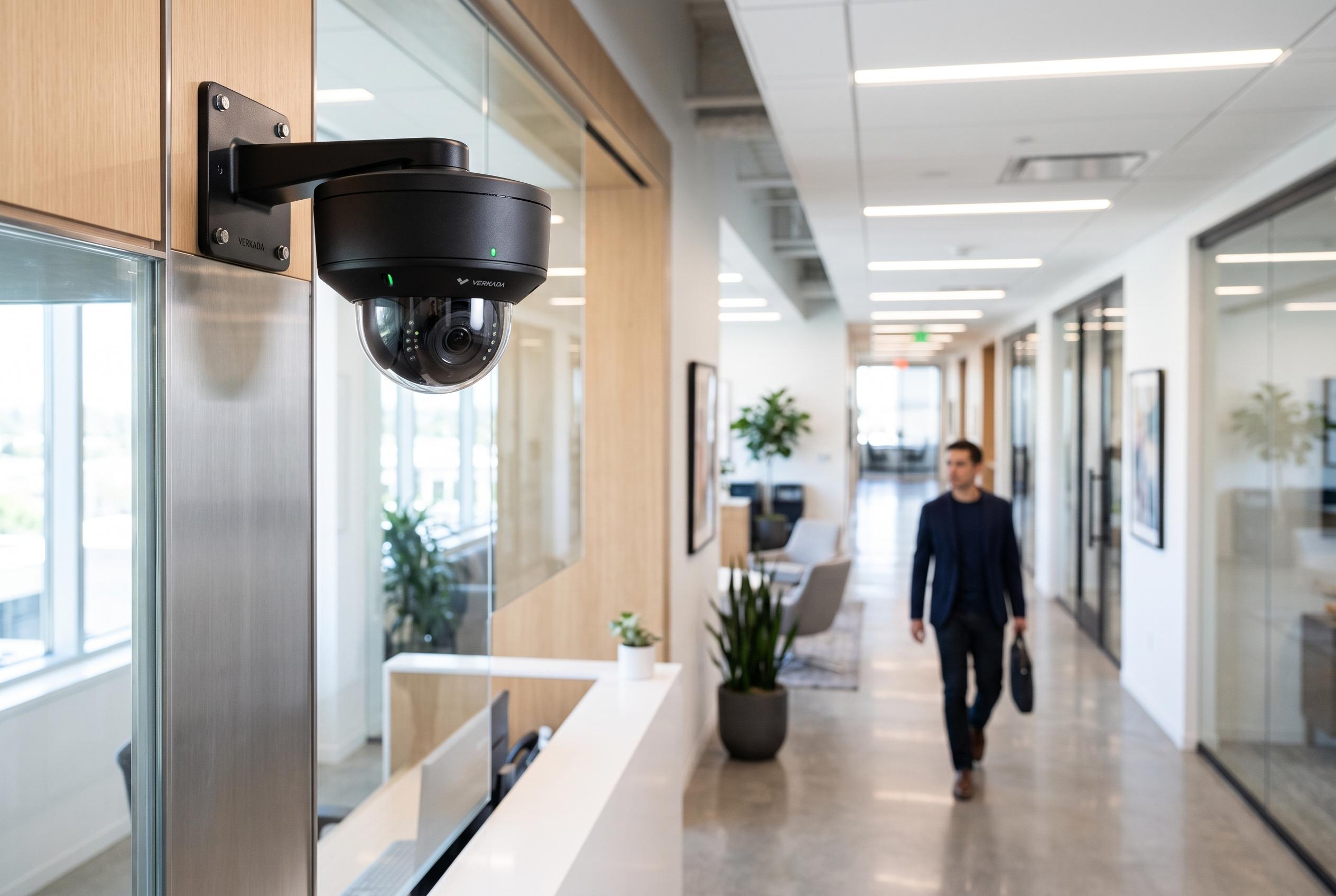

Virtual security guards, leveraging internet-connected cameras and centralised monitoring, are transforming communal safety by enhancing observation and incident verification, though they rely heavily on hardware and connectivity. This shift offers businesses a cost-effective way to deter crime and improve documentation without on-site personnel.
Virtual security guards are increasingly being used as a lower-cost alternative to traditional patrols, but their value lies in what they can observe and escalate rather than what they can physically do. Pro-Vigil says the model combines internet-connected cameras, cloud access and trained operators watching from an off-site monitoring centre, allowing one team to supervise broad areas in real time rather than relying on a guard walking a fixed route. Rival industry explainers describe the same shift as part of a wider move towards centralised monitoring for businesses with multiple sites, where coverage and response speed matter as much as manpower.
Their main strength is visibility. A remote operator can watch several camera feeds at once, which reduces the blind spots that come with patrol-based security. Support material from Ring says its own virtual guard service works by using person detection on compatible cameras to trigger live monitoring, after which the operator can assess the event, speak through two-way audio or request emergency services if needed. Pro-Vigil similarly says its operators can verify whether an alert is a genuine threat before acting, which helps cut false alarms caused by animals, vehicles or routine movement.
The deterrent effect can also be significant. Virtual guards can issue verbal warnings through speakers, activate lights or sirens and keep a person under observation without placing anyone on site at immediate risk. Pro-Vigil says the system can also record, time-stamp and categorise incidents automatically, creating a digital record that can support police reports, insurance claims or internal investigations. That documentation function is one reason businesses use remote monitoring not only for trespass prevention but also for oversight of employee behaviour, parking management and other controlled-site activities.
Yet the limits are clear. A virtual guard cannot physically stop an intruder, make an arrest or provide hands-on help to staff or visitors. It also cannot deal with simple on-site issues such as a left-open window, a running tap or a damaged door unless someone is sent to the property. Industry guides on virtual security repeatedly note the same constraint: the service depends on camera coverage, network reliability and software performance, so it is only as strong as the hardware and connectivity behind it.
For many businesses, that trade-off is the point. Ring says its service is intended to add proactive monitoring without the cost of round-the-clock in-person staffing, while Pro-Vigil says its system is built to deter a high share of crimes in progress before they become losses. In practice, virtual guarding sits between passive surveillance and traditional security patrols. It is strongest when the objective is rapid verification, remote intervention and better documentation. It is weaker when a site needs a human body on the ground.
Disclaimer: This content is intended for informational purposes only. Readers are advised to exercise their own judgement, conduct due diligence, or consult a qualified expert before acting on any information provided.