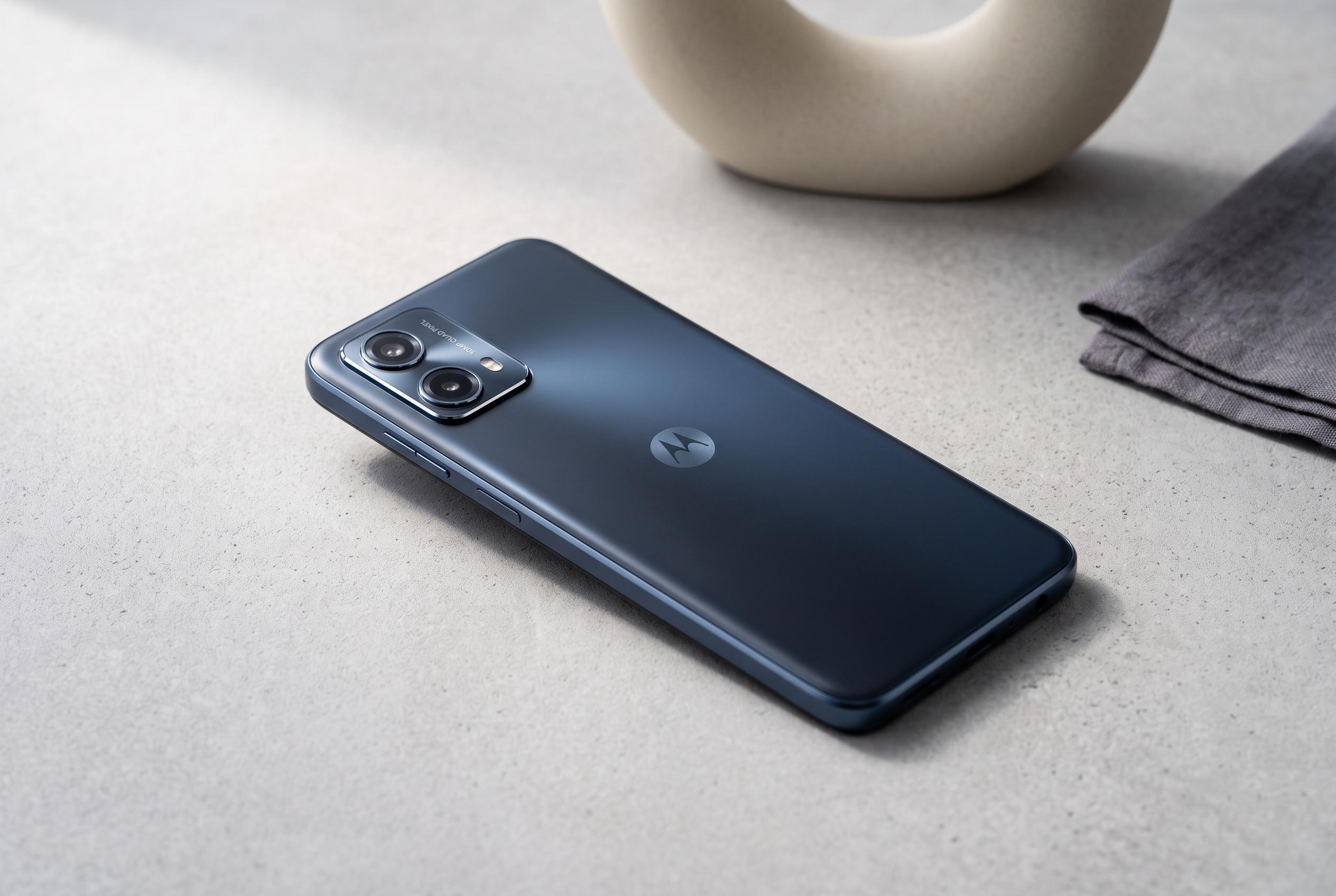

Despite its attractive exterior and practical features, the Motorola Moto G47’s success lies in its aggressive pricing strategy, highlighting how affordability can mask compromises in performance and updates.
Motorola’s Moto G47 is a reminder that a handset can look far more expensive than it really is. Notebookcheck said the phone is attractive on the outside but hampered by aggressive cost-cutting that leaves it struggling to match rivals in everyday use. That criticism matters less at the discounted street price than at the launch level, with German retailer pricing cited at about €190, well below the roughly €300 asking price that made the device look poor value.
The hardware mix helps explain the reaction. Testberichte.de says the Moto G47 uses a 6.67-inch display, a MediaTek Dimensity 6300 chip, 8GB of RAM and 128GB of storage, with microSD expansion available. It also keeps practical extras that many buyers still value, including a 3.5mm headphone jack, stereo speakers and a ruggedised build with IP64 protection and MIL-STD-810H certification. In the right context, that is a reasonable specification sheet for an affordable phone.
The compromises are harder to ignore. Notebookcheck described visible stutter in daily use, a 720p-class display and only three years of software support, while also noting the lack of an ultrawide camera and eSIM. Other launch summaries paint a somewhat fuller picture, including Android 16-based Hello UX, a 5,200mAh battery, 20W charging and a 108-megapixel main camera with a 2-megapixel macro sensor. Even so, the overall package still appears built to meet a price ceiling rather than to lead the class.
That is the wider point behind the Moto G47. Motorola appears to have trimmed the specification to offset rising memory costs, according to Notebookcheck, but the result is a phone that looks much more convincing once retailers cut the price. At under €200, the design, battery size and expandable storage become easier to defend. At its original level, the combination of a low-resolution panel, modest processor and short update commitment leaves it exposed to better-equipped mid-range alternatives.
Disclaimer: This content is intended for informational purposes only. Readers are advised to exercise their own judgement, conduct due diligence, or consult a qualified expert before acting on any information provided.