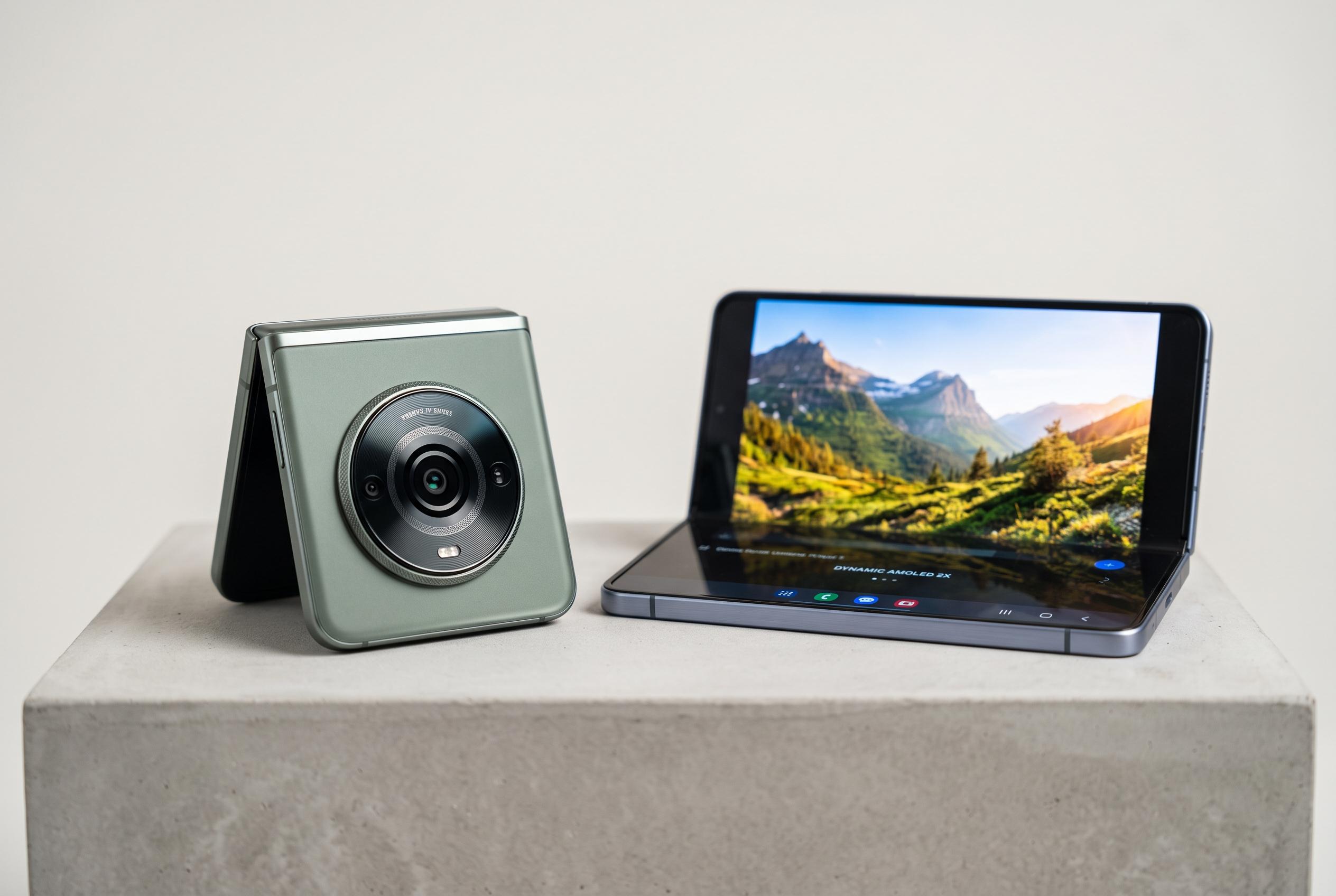

In a surprise indoor camera showdown, the Motorola Razr Fold delivers sharper close-up images than the premium Galaxy Z Fold 8 Ultra, though Samsung regains ground outdoors in real-world photography tests.
Samsung’s Galaxy Z Fold 8 Ultra arrived with the right timing for a useful real-world camera check. At the same event, the Motorola Razr Fold was on hand, and the two large-screen foldables share a 3x optical zoom lens, making them well suited to close-up shots of Lego models on display. The Samsung phone carries a 200-megapixel main camera, a 50-megapixel ultrawide lens and a 10-megapixel telephoto unit, while Motorola uses a 50-megapixel main camera, a 50-megapixel ultrawide and a 50-megapixel periscope telephoto. In price terms, Samsung sits higher at $2,100, compared with Motorola’s $1,900. TechRadar says the Galaxy Z Fold 8 Ultra is also the more refined device overall, with a flatter design, a near-creaseless 8-inch main screen and Qualcomm’s Snapdragon 8 Elite Gen 5 chip.
The first surprise came indoors at 3x zoom. In close-up Lego shots, the Razr Fold’s telephoto camera consistently produced the sharper and more attractive images. Colours looked more vivid, noise was lower and focus held better on the subject. Samsung’s files were warmer and, in some frames, closer to the scene’s real tone, but Motorola’s stronger detail and cleaner rendering made it the better performer in that setting. The Razr Fold also appeared more prone to brightening the image aggressively, which helped some frames pop but occasionally pushed them away from a natural look.
That result did not hold outdoors. Once the scene moved outside, Samsung recovered much of the ground it had lost. Its 3x images had more balanced exposure, more realistic colour and more credible white balance. Motorola’s outdoor shots still had punch, but the stronger HDR treatment sometimes made them look processed rather than faithful to the subject. The same pattern carried through to a car shot and a metal horse statue, where Samsung’s lower-key processing produced images that were easier to trust.
The main cameras told a similar story. Motorola’s images often looked more dramatic at a glance, but that came at the cost of more aggressive processing, with exposure and colour pushed further than the real scene. Samsung’s main sensor produced cleaner detail, deeper colour and a more natural depth to the image. Tom’s Guide, in a separate comparison with the Galaxy S26 Ultra, said the Fold 8 Ultra shares some of Samsung’s high-end camera hardware but still falls short of the company’s best camera phone, especially in telephoto reach, portraits and low light. SamMobile also notes that the Fold 8 Ultra lacks some of the camera upgrades found in the Galaxy S26 Ultra, including a 50-megapixel 5x zoom lens.
On wide-angle shots, there was less to separate the two. Each phone remained consistent with its main-camera tuning, and the differences were small enough that most users would not care unless they were cropping heavily. That wider view also underlined the larger point of the test: Motorola’s Razr Fold is the stronger phone for indoor 3x telephoto work, but Samsung wins more often once lighting gets better and once the comparison moves beyond zoom alone. TechRadar says the Z Fold 8 Ultra’s battery, display and overall build quality reinforce that premium position, even if the price is high and the 3x telephoto still feels like an area Samsung could improve.
Disclaimer: This content is intended for informational purposes only. Readers are advised to exercise their own judgement, conduct due diligence, or consult a qualified expert before acting on any information provided.