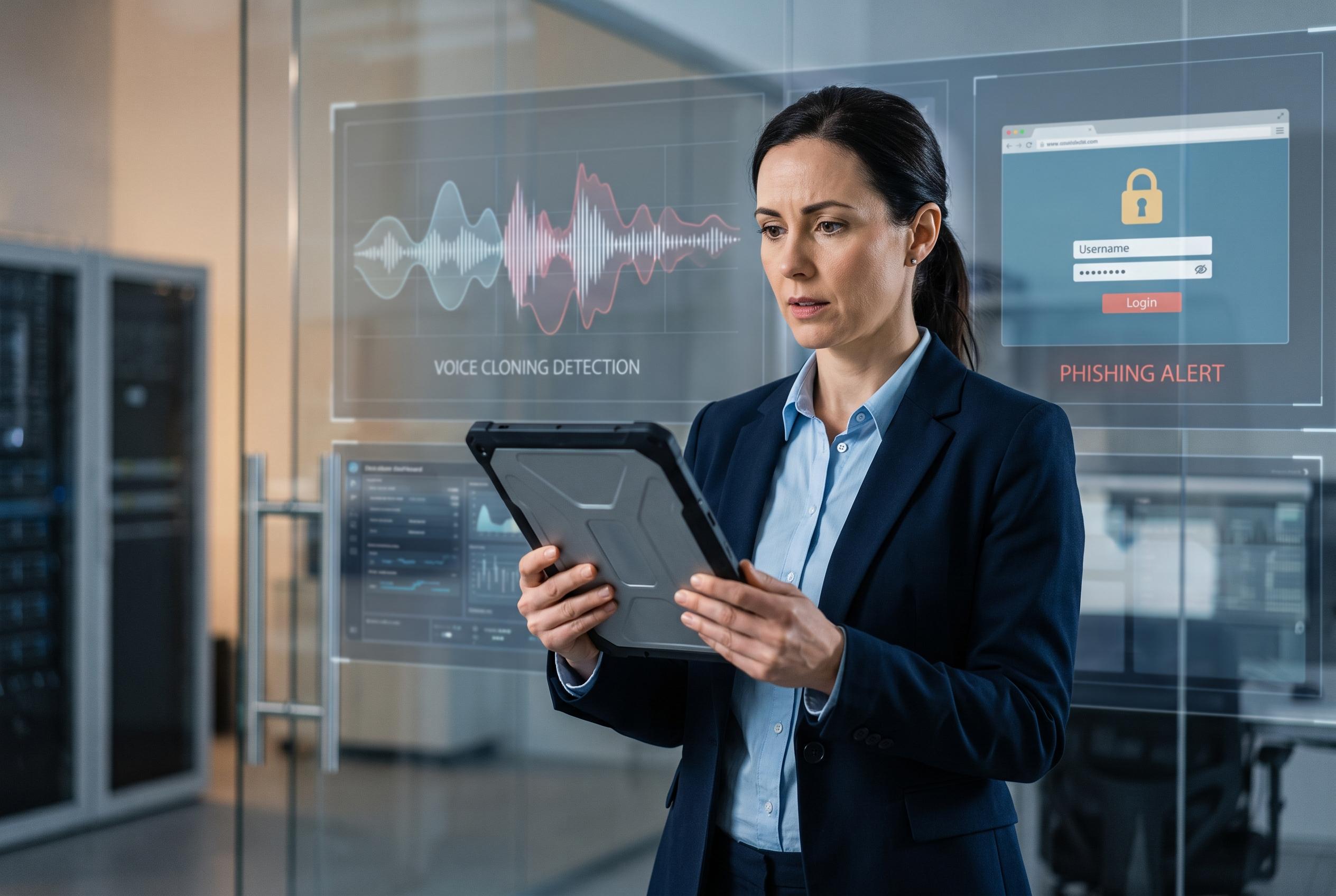

With over 22,000 AI-related complaints in 2025 and nearly $21 billion lost, experts warn of evolving fraud tactics using deepfake audio, cloned voices, and convincing websites, advising vigilance and verification as key defenses.
Scams have always borrowed the language of their moment. The difference now is that artificial intelligence can answer back, mimic a familiar voice, tidy up clumsy language and build a convincing website in minutes. The FBI’s Internet Crime Complaint Center said it received more than 22,000 complaints involving AI-related cybercrime in 2025, a figure that underlines how quickly fraud has adapted to newer tools. According to the FBI, cyber-enabled crime defrauded Americans of nearly $21 billion that year, with complaints linked to cryptocurrency and AI among the most costly.
The first defence is to distrust the message and verify the route. AI-written emails and texts often imitate ordinary life: a missed parcel, a bank warning, a subscription renewal or a hurried request from a manager. The Better Business Bureau and McAfee both advise people to ignore the pressure inside the message and instead open a company’s official app or website directly. If an account is genuinely affected, the issue should be visible there. If it is not, the message is likely fraudulent. Attachments, QR codes and “secure” links deserve the same caution.
Phone calls can be just as deceptive. Scammers now plant fake customer service numbers in search results and ads, then use them to push remote access, gift card payments or one-time passcodes. The safest contact details come from a source you already trust, such as the back of a card, a billing statement or a verified company website. That warning matters because the FBI says phishing and related schemes remained among the most frequently reported cybercrimes in 2025, while people over 60 accounted for about $7.7 billion in losses.
Deepfake audio and video make the final test even more important: create a second way to confirm identity. The BBB says families and workplaces should agree on a private code word or question that a cloned voice cannot easily guess. That is especially useful when a message demands money, passwords, verification codes or secrecy. McAfee says AI-generated voices can sound flat or oddly controlled, while video deepfakes may show strange facial movements, lighting glitches or other visual inconsistencies. But the safest habit is simpler than technical analysis: pause, end the exchange and contact the person through a channel you already trust.
Disclaimer: This content is intended for informational purposes only. Readers are advised to exercise their own judgement, conduct due diligence, or consult a qualified expert before acting on any information provided.