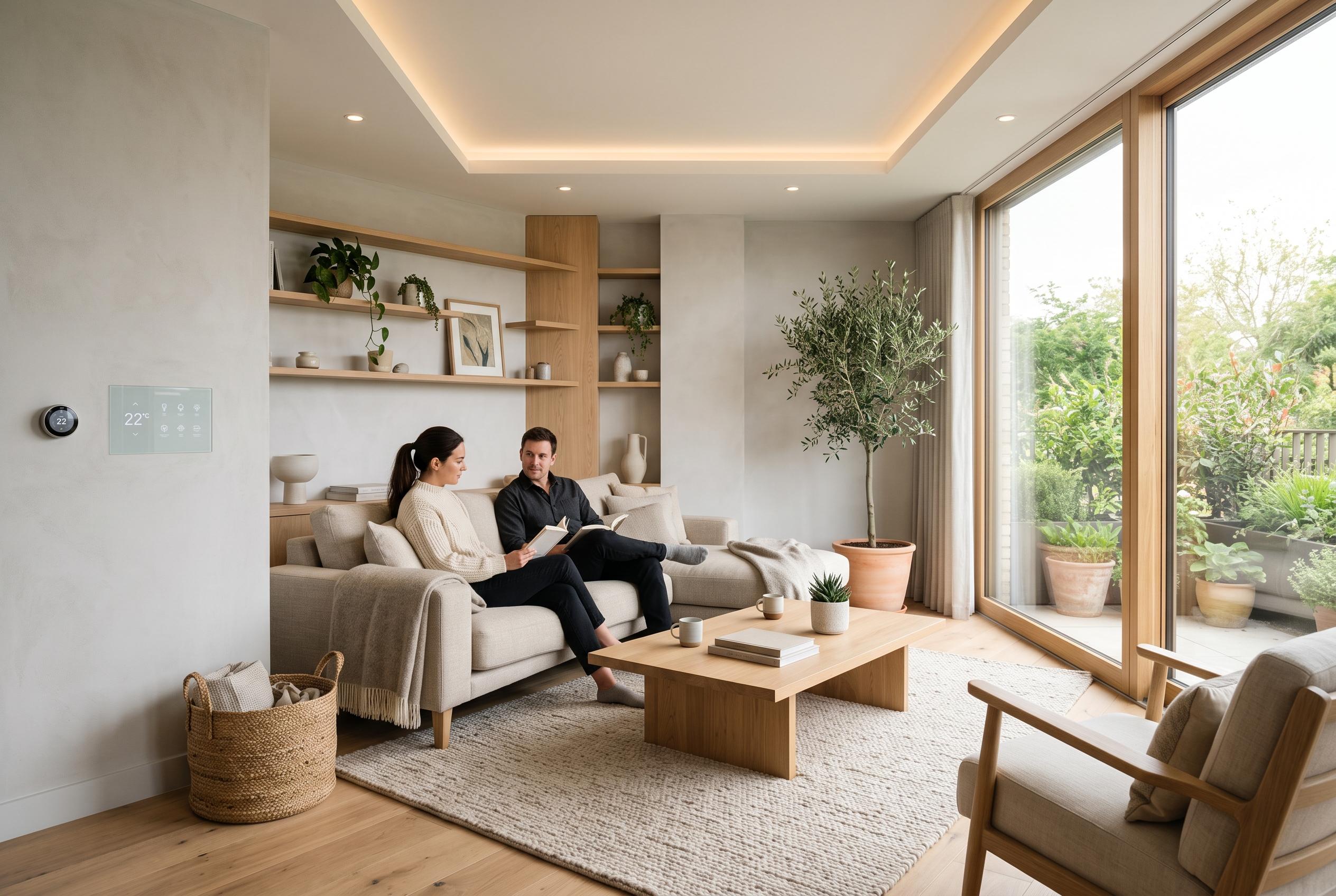

A shift towards eco-friendly materials and integrated technology is transforming modern interiors, prioritising health, convenience, and environmental impact as new standards in design.
Modern interior design is being reshaped by two clear priorities: lower environmental impact and greater everyday convenience. Designers and homeowners are moving towards reclaimed timber, recycled materials and low-VOC paints, a class of coatings that release fewer volatile organic compounds and can improve indoor air quality. The appeal is not only ethical. A recent survey found that 74% of consumers are willing to pay more for sustainable products, suggesting that green credentials are now influencing purchasing decisions in a material way.
The shift extends well beyond surface finishes. According to related coverage, reclaimed wood remains popular for its texture and character, while bamboo and cork are gaining attention for durability and their relatively light environmental footprint. Other sustainable options include recycled glass, metal and FSC-certified wood, which can help buyers balance design goals with longer-term resource efficiency. Low-VOC and zero-VOC paints are also being used more widely as part of a broader effort to reduce indoor pollution and create healthier living spaces.
Technology has become the other half of the modern interior brief. Smart lighting, connected thermostats and home security systems are increasingly being built into design plans rather than added afterwards. One study cited in the source material found that 70% of homeowners are interested in smart home technology, underlining how strongly demand is shifting towards automated, energy-conscious households. In practical terms, these systems can help reduce waste, improve comfort and give homeowners more control over day-to-day energy use.
Taken together, the trend is less about style alone and more about performance. Modern interiors are now expected to look considered, feel healthy and work intelligently. That has pushed material selection and technology planning to the centre of the design process, with sustainability and connectivity becoming standard expectations rather than optional extras.
Disclaimer: This content is intended for informational purposes only. Readers are advised to exercise their own judgement, conduct due diligence, or consult a qualified expert before acting on any information provided.