
The Alienware 16 Area-51 is a flagship gaming machine prioritising performance over portability, featuring high-end components and professional-grade build quality, but with significant weight, short battery life, and trade-offs that limit mobility.
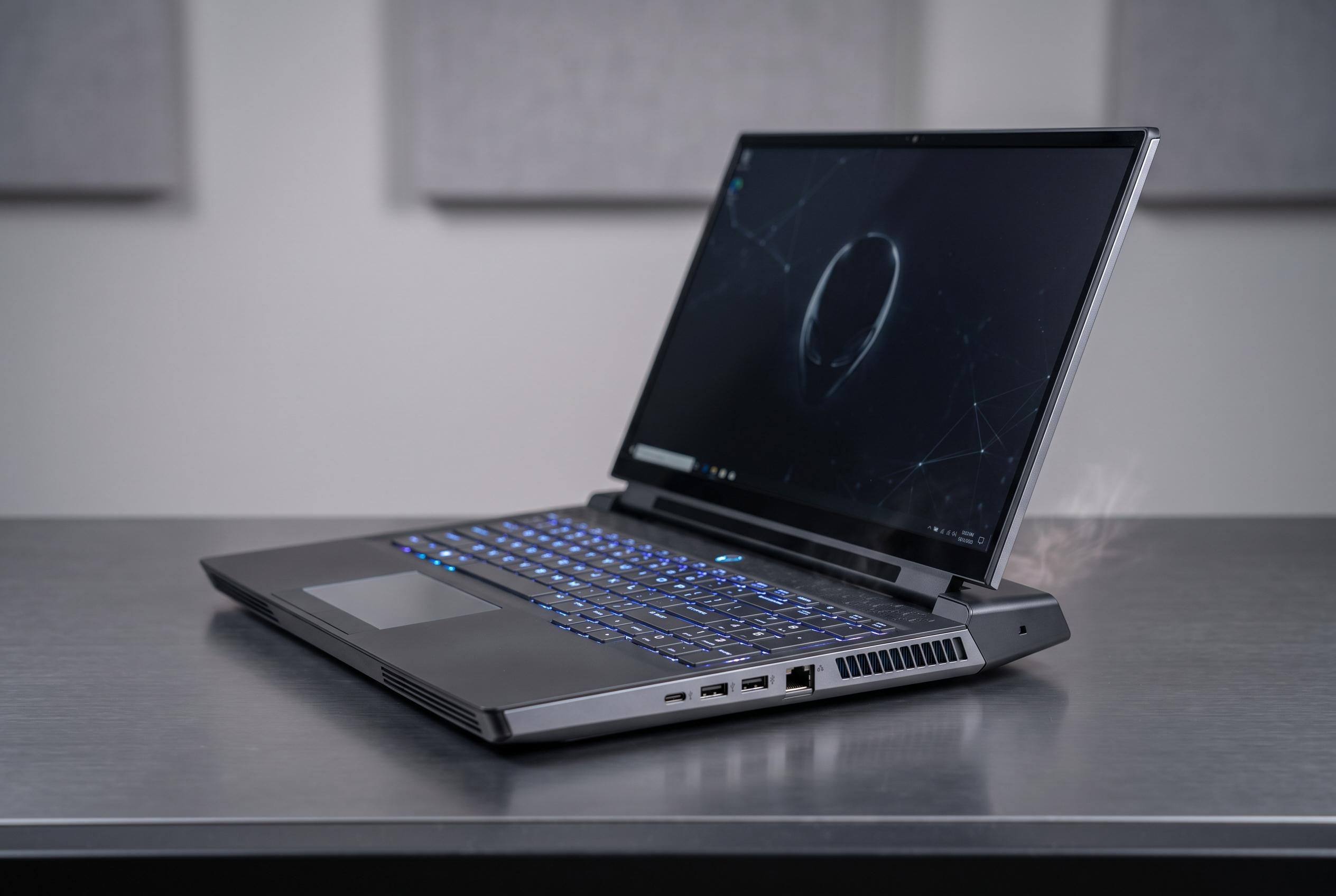
Alienware’s 16 Area-51 is a deliberate return to the sort of desktop-replacement gaming laptop that values sustained power over portability. In Techaeris’ review, the machine is framed as an expensive but unapologetic flagship, built around Intel Core Ultra HX-class silicon and NVIDIA GeForce RTX graphics in a Liquid Teal aluminium chassis that leans hard into the brand’s sci-fi styling. That positioning is echoed by Tom’s Hardware, Tom’s Guide and PCWorld, which all describe it as a large, heavy system aimed at users who want performance first and mobility second.
That performance is the main selling point. Across the reviews, the Area-51 is consistently praised for strong gaming results, effective cooling and enough thermal headroom to let high-end components run hard for long periods without obvious throttling. PCWorld also highlights the machine’s broad connectivity, including Thunderbolt 5 on higher-spec configurations, while Techaeris points to the rear-mounted port layout as a practical way to keep cables out of the working area. The result is a laptop that behaves more like a compact desktop tower than a conventional notebook.
The trade-offs are equally clear. Tom’s Hardware, Tom’s Guide and Techaeris all note the same core limitations: the chassis is bulky, the power brick is substantial and battery life is short. Techaeris says real-world unplugged use is limited to only a few hours for everyday tasks and far less under gaming load, which makes the machine a poor fit for users who need all-day mobility. PCWorld adds that the touchpad is smaller than ideal, reinforcing the sense that this is a system designed around external peripherals rather than lap use.
Alienware has also leaned into premium input and display hardware. Techaeris highlights the Cherry MX mechanical keyboard as one of the laptop’s best features, while Tom’s Guide praises the sharp 16-inch panel and futuristic industrial design. Tom’s Hardware’s updated OLED-focused review says the new anti-glare OLED option improves the visual experience, although the broader platform has changed only modestly year on year. PCWorld’s earlier review also points to the 16 Area-51’s support for Wi-Fi 7 and Bluetooth 5.4, underlining that Dell has tried to match the chassis’ ambitions with current connectivity.
Taken together, the reviews paint a consistent picture: the Alienware 16 Area-51 is a high-cost, high-output gaming machine with excellent build quality, strong upgrade potential and serious cooling capacity, but it asks users to accept weight, fan noise and limited battery life in return. For buyers who want a lavish, transportable desktop substitute, that compromise may be justified. For anyone who wants a genuinely mobile laptop, the consensus is that slimmer rivals will be easier to live with.
Disclaimer: This content is intended for informational purposes only. Readers are advised to exercise their own judgement, conduct due diligence, or consult a qualified expert before acting on any information provided.