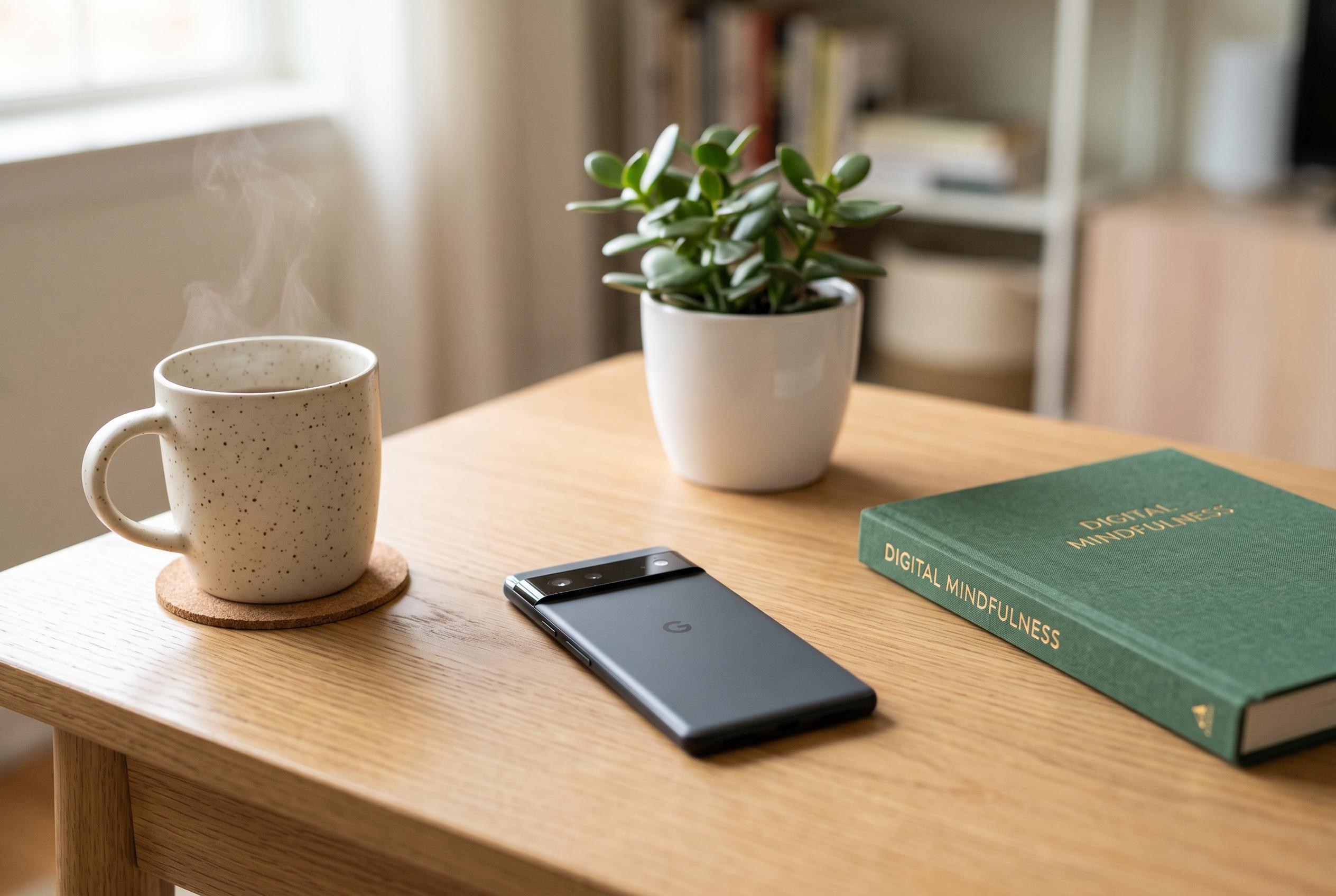

As smartphone ownership reaches near ubiquity, research shows that habitual use rather than notifications drives screen time, challenging the effectiveness of digital wellbeing tools and prompting a cultural shift towards moderation and restraint.
The modern debate over technology use has shifted from access to restraint. In developed markets, smartphones are now close to universal, which means the central issue is no longer whether people can get online but how often they stay there. What was once framed as a connectivity story is increasingly a discussion about moderation, attention and the difficulty of stepping back from devices that are deeply embedded in daily life.
Research cited in Computers in Human Behavior suggests that smartphone use is driven less by notifications than many people assume. One study found that 89% of interactions were started by users rather than triggered by alerts, and that many of those moments were automatic or barely noticed. Another study found that pop-up warnings about excessive use did not meaningfully reduce screen time, phone-checking or self-reported problematic use. Taken together, the evidence points to habit rather than interruption as the main force shaping behaviour.
That finding helps explain why many familiar digital wellbeing tools have limited impact. Research in the Journal of the Association for Consumer Research found that screen-time apps can improve awareness, but awareness does not reliably translate into lower usage. A separate study on disabling notifications for a week reached a similar conclusion: phone-checking, screen time and other measures of digital wellbeing did not improve in a measurable way. The pattern is clear. Monitoring can show the problem, but it does not necessarily solve it.
Behaviour is changing in smaller, more uneven ways. More users are adopting built-in limits, muting alerts and experimenting with features such as grayscale display modes, but compliance is inconsistent. Bedtime use remains stubbornly high, even among people who know it can disrupt sleep. At the same time, the burden of heavy phone use is not limited to younger users. Older adults, including retirees, are often becoming more intensive users as digital communication becomes the easiest way to stay in touch with family and manage everyday tasks.
Culture is also helping to reshape expectations. Phone-free dinners, no-phone policies in schools and workplaces and wider concern about burnout have made restraint more socially acceptable than it was a few years ago. Yet the evidence suggests that individual discipline is still a weak defence against products designed to retain attention. The likely future is not a sharp decline in screen time but a fragile balance: public awareness will keep rising, some people will make meaningful changes and most will continue using their phones heavily.
Disclaimer: This content is intended for informational purposes only. Readers are advised to exercise their own judgement, conduct due diligence, or consult a qualified expert before acting on any information provided.