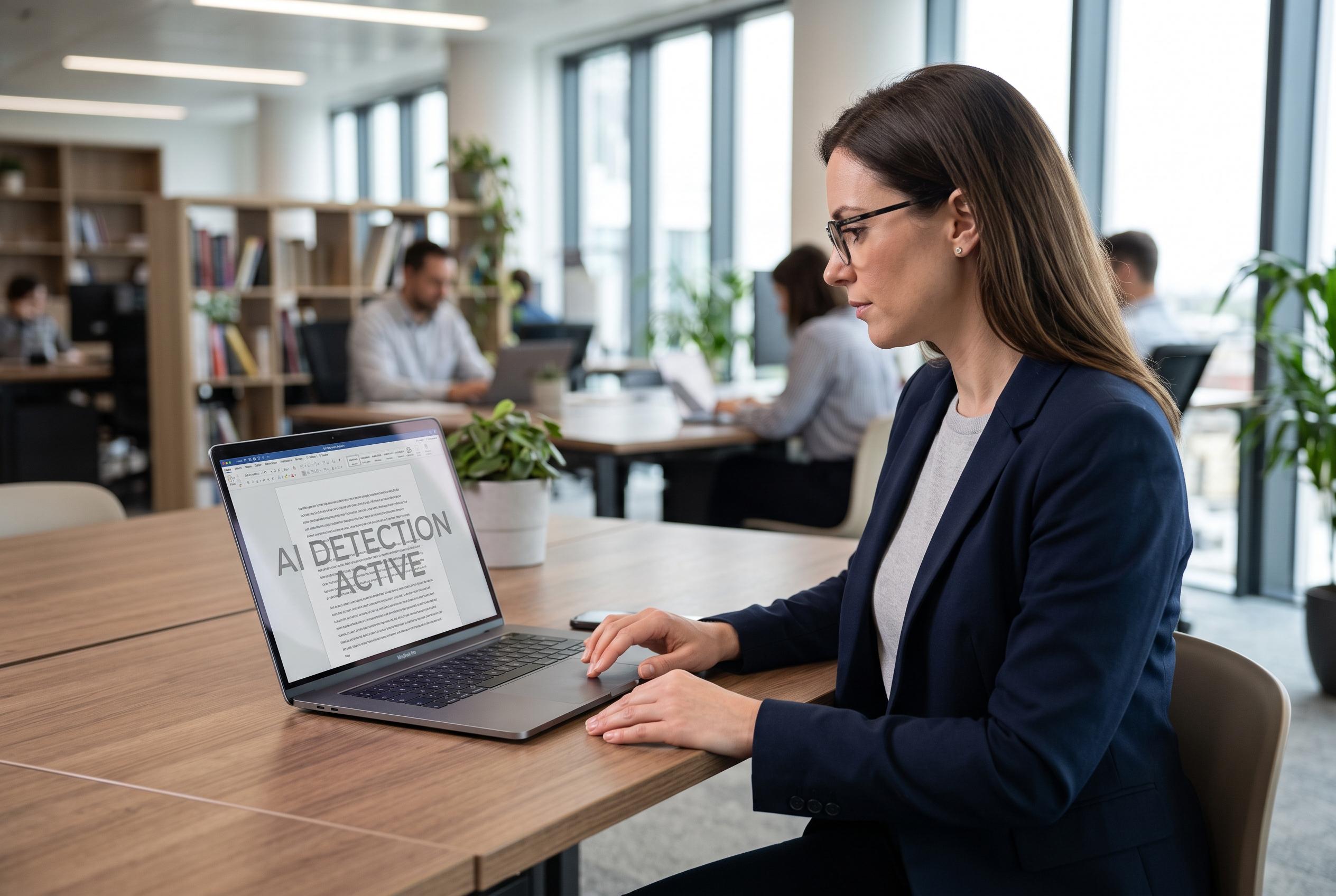

Anthropic’s new watermarking feature for Claude aims to make AI-generated content easier to identify, potentially transforming attitudes towards AI use in classrooms and workplaces amid ongoing detection challenges.
Anthropic’s plan to add a watermark to Claude’s outputs could make AI-generated text far easier to spot, and that may change the way people think about using the tool. The move is aimed at making it clear when content has been processed by Claude, a step that could matter in classrooms, workplaces and anywhere writers are expected to disclose assistance from software.
The strongest reaction is likely to come from academic settings. Teachers and universities have already spent several years trying to police AI-assisted essays, problem sets and take-home assignments, and a visible marker would make that task simpler. But the broader market for AI writing is less about essays than routine office work: emails, meeting summaries, internal memos, research notes, Slack messages and draft reports. In those settings, many users may care far less whether a line of text can be traced back to a model, especially if the text was never meant for public consumption.
That is one reason the new watermarking push may not produce the social shaming some expect. People using AI to write LinkedIn posts, customer replies or internal updates often judge the tool by speed and usefulness, not authorship purity. Y Combinator chief executive Garry Tan has even publicly embraced AI writing, suggesting that at least some users are comfortable owning it rather than hiding it. The larger question is whether that attitude becomes normal once detection is built into popular products.
Companies such as Pangram are betting that demand for detection will keep growing. The AI detection firm is preparing a Gmail integration that would scan incoming messages on its servers and label whether an email appears to have been written by AI, with an option to send such mail to Spam or Trash, according to details uncovered by researcher Jane Manchun Wong and later confirmed by Pangram chief executive Max Spero to Business Insider. Pangram already markets detection tools across browsers and classroom systems, including Canvas, Blackboard and Google Classroom, which shows how quickly AI detection has moved from a niche concern to a commercial product category.
Yet the spread of watermarks and detectors also raises a familiar problem: the tools may trigger a new contest between those trying to hide AI use and those trying to uncover it. Anthropic and other detection companies have warned that these systems are not infallible, and false positives can create their own damage, especially in education and employment. That leaves the larger norm still unresolved. Some forms of writing, such as coursework and literature, will probably remain widely treated as off-limits. In everyday work, though, the culture may drift towards a quieter acceptance that some amount of machine assistance is here to stay.
Disclaimer: This content is intended for informational purposes only. Readers are advised to exercise their own judgement, conduct due diligence, or consult a qualified expert before acting on any information provided.