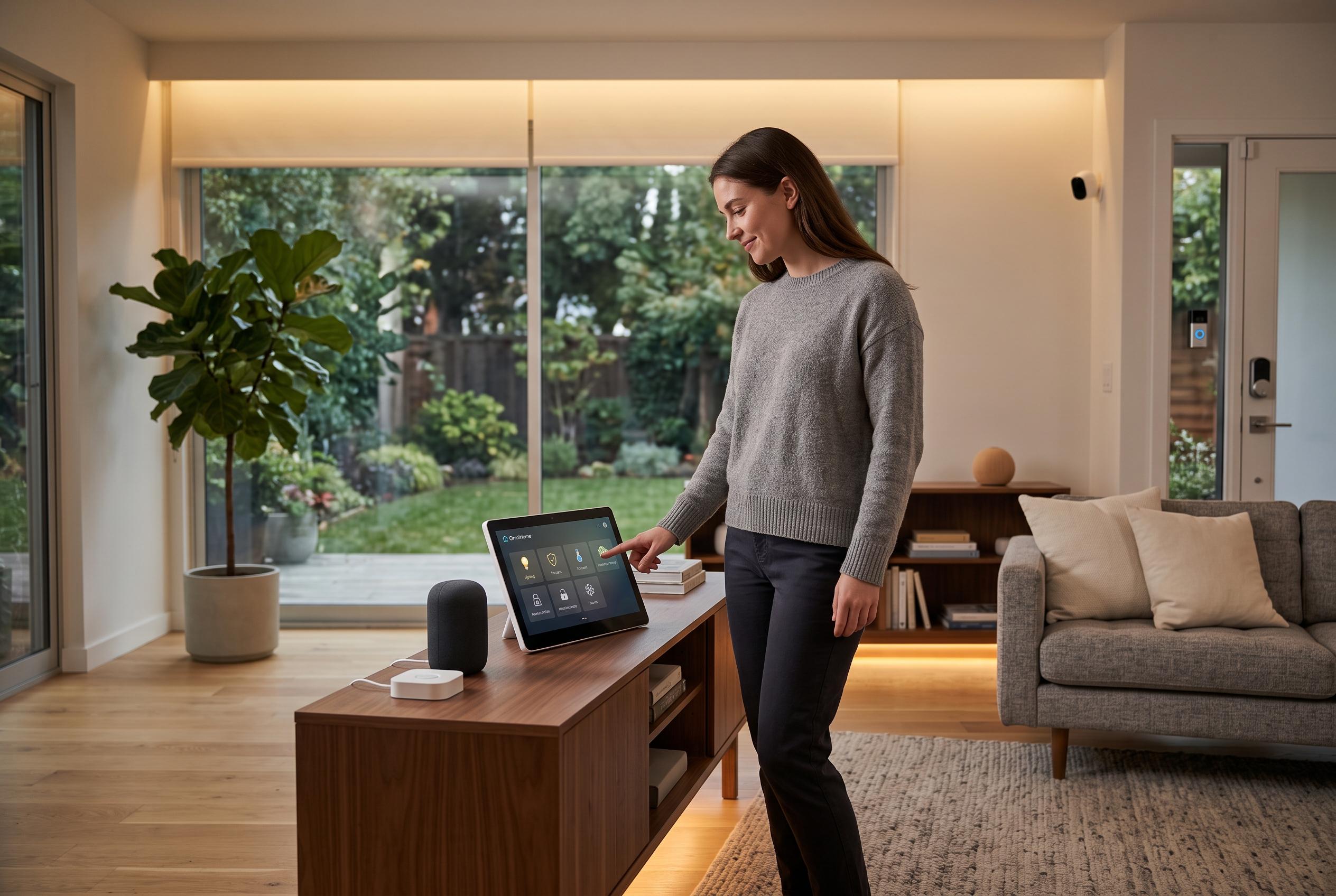

The smart home platforms market is projected to grow from $23.4 billion in 2025 to over $59 billion by 2031, driven by ecosystem integration, security, energy management, and increased regional adoption, with North America leading and Middle East and Africa accelerating fastest.
Mordor Intelligence says the smart home platforms market is set for strong expansion over the next five years, with the sector projected to rise from $23.4 billion in 2025 to $27.31 billion in 2026 and then to $59.14 billion by 2031. The research house puts the compound annual growth rate at 16.72% across the forecast period, underscoring sustained demand for software layers that coordinate connected household devices.
The report links that growth to wider use of connected-home ecosystems, stronger demand for devices that can work across brands, telecom-led service bundles and rising interest in energy management, security and assisted-living functions. North America is identified as the largest regional market, while the Middle East and Africa is expected to post the fastest growth, reflecting different rates of broadband rollout, household technology spending and smart-home infrastructure development.
At the core of the market is software that lets households control lighting, security, heating, cooling, entertainment, appliances and wellness tools through apps, voice assistants or hubs. Mordor Intelligence says compatibility standards such as Matter are reducing friction between devices from different manufacturers, encouraging platform providers to compete more on user experience, privacy controls and automation rather than on closed hardware ecosystems alone.
The report also points to a shift towards edge processing, where some data is handled locally rather than in the cloud, as consumers become more cautious about privacy and as quicker response times matter more for home automation. It warns, however, that fragmented connectivity, hardware costs and limited installer availability remain obstacles. Mordor Intelligence says the companies best placed to benefit are those that combine broad device support with dependable automation and practical consumer value.
Disclaimer: This content is intended for informational purposes only. Readers are advised to exercise their own judgement, conduct due diligence, or consult a qualified expert before acting on any information provided.