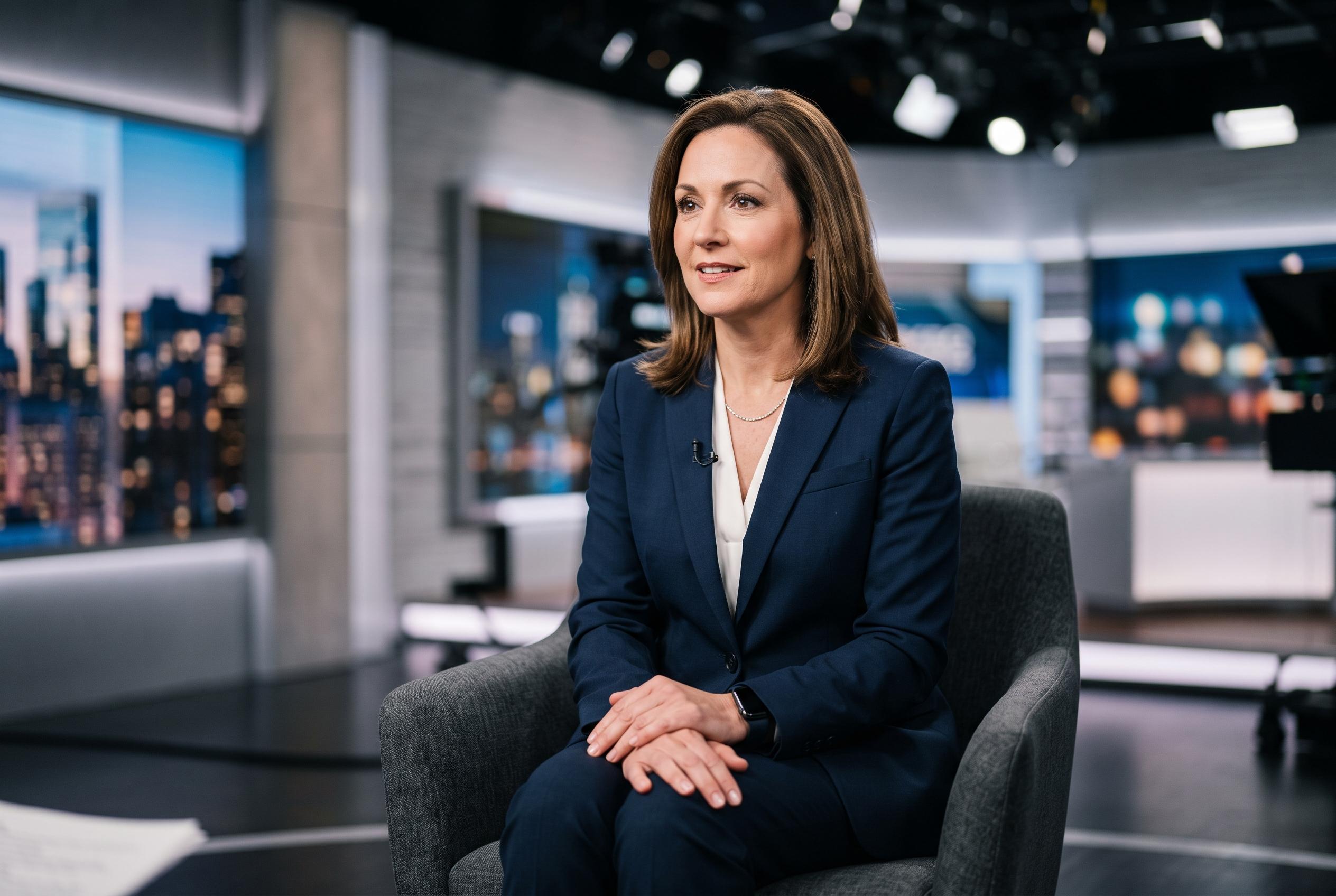

Modern 50mm primes from Sony, Canon and Nikon now offer enhanced autofocus, control over focus breathing, and variable apertures, making them more versatile for professional interview shoots than ever before.
A 50mm lens remains one of the most practical choices for cinematic interviews because it gives a natural perspective, controlled subject separation and enough background context to keep the frame grounded. The guide from Short Film Central argues that this focal length works especially well for talking-head work across Sony, Canon and Nikon mirrorless systems, with fast apertures and reliable autofocus now making it far more usable for video than older stills-oriented primes.
Among the premium options, the Sony FE 50mm F1.4 GM stands out for balancing speed, size and handling. TechRadar, Cameralabs, Digital Camera World and Photography Blog all note its sharp optics, quiet autofocus and compact build, while also acknowledging that Sony’s f/1.2 version offers more dramatic blur and stronger low-light capability. For interview shooters, that trade-off matters: the f/1.4 lens is easier to carry and easier to rig, while the f/1.2 model is the more expressive tool when maximum separation is the priority.
That distinction also runs through the wider Sony comparison in Sony Camera Central. The f/1.4 GM is presented as the more portable and affordable option, while the f/1.2 GM is framed as the better lens for cinematic portraiture and low-light control. In practical interview work, that means the f/1.4 lens is the more flexible choice for solo operators, but the f/1.2 lens is the stronger pick when the visual brief demands a softer, more luxurious background.
Canon’s RF50mm F1.2L USM fills a similar role on the RF mount, with the shortfilmcentral guide describing it as the system’s high-end rendering option for corporate and documentary interviews. Nikon’s NIKKOR Z 50mm f/1.2 S is positioned in the same flagship tier, while the lighter 50mm f/1.8 S offers a more affordable route for Nikon users who still want strong sharpness and dependable stabilisation. Across all three systems, the key decision is the same: whether the shoot needs the most cinematic rendering possible or the lighter, cheaper lens that is easier to live with on long interview days.
The guide also makes a useful technical point about focus breathing, which is often overlooked outside cinema circles. This is the visible change in framing that can happen during a focus pull, and it can make an interview look less polished. Sony’s GM lenses and Nikon’s S-line flagship are highlighted for controlling this well, while Canon’s RF implementation is noted for working particularly well when supported by compatible camera features.
For most buyers, the best lens is not the fastest one on paper but the one that matches the camera body, support setup and audio environment. Native autofocus matters for solo interview work, especially when face and eye tracking must stay locked without audible motor noise. Weight also matters more than many lists admit, because a heavy f/1.2 prime can become tiring during handheld or run-and-gun work even if the optics are excellent.
Budget options still have a place. Short Film Central singles out the Canon RF50mm F1.8 STM and Sony FE 50mm F1.8 as strong entry-level choices, and Nikon’s 50mm f/1.8 S as the lightest Z-mount option in the group. These lenses do not deliver the same level of background blur as the flagship primes, but they offer a credible route into interview work for creators who need professional results without a flagship price.
Overall, the ranking reflects a broader reality in modern video production: the best 50mm lens for interviews is the one that gives you clean focus behaviour, manageable handling and enough aperture to create depth without losing facial detail. For Sony, Canon and Nikon shooters alike, the current crop of fast 50mm primes makes the classic interview focal length more capable than ever.
Disclaimer: This content is intended for informational purposes only. Readers are advised to exercise their own judgement, conduct due diligence, or consult a qualified expert before acting on any information provided.