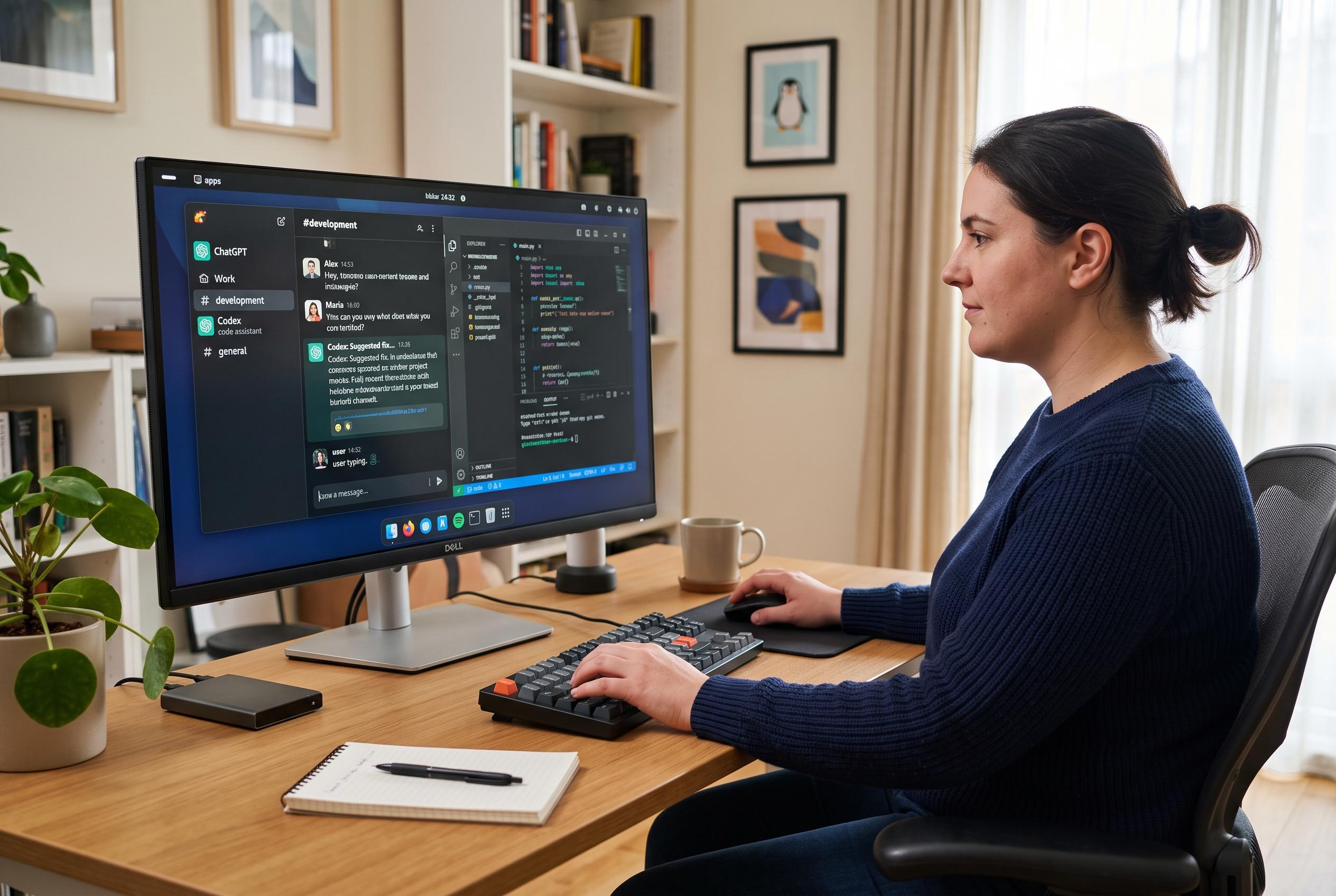

OpenAI launches a preview build of its desktop ChatGPT app for Linux, unifying ChatGPT, Work and Codex in a native application and signalling a shift towards a more task-oriented, cross-platform development environment.
OpenAI has begun extending its desktop ChatGPT experience to Linux, with a preview build that brings ChatGPT, Work and Codex into one native application. The move follows a broader redesign of OpenAI’s desktop software, which the company has already unified on macOS and Windows, and it suggests Linux is being treated as a first-class platform rather than a browser-only fallback. According to OpenAI’s own sign-up page, the company is also collecting interest from Linux users across Ubuntu, Debian, Arch Linux, Fedora and Red Hat Enterprise Linux.
The Linux preview mirrors the newer desktop layout OpenAI has described in its help material for macOS and Windows. In that version, ChatGPT is split into Chat and Work, while Codex sits alongside it as a separate space for software development tasks. OpenAI says Codex is designed to work with local files, repositories, terminals and other developer tools, while Work is intended for longer research and document tasks. That structure marks a shift away from a simple chat window towards a more task-oriented desktop environment.
For developers, the most notable change is that Codex is not just a conversational mode. The preview is built to open local projects, edit files, review changes, run tests and interact with Git repositories and shells, which gives it far more reach than a standard chatbot. That level of access is useful, but it also raises obvious security concerns if users allow the application broad permissions on their machines. The app is officially supported on Ubuntu 24.04 LTS and 26.04 LTS, Debian 13, and Fedora 43 and 44, with both x64 and ARM64 builds available.
Linux support has been a gradual addition to OpenAI’s desktop strategy. TechCrunch reported in 2024 that the company first brought a dedicated ChatGPT app to Windows after introducing its macOS client, and OpenAI’s recent help pages show that the desktop product now centres on a single app with Chat, Work and Codex under one roof. The Linux preview continues that approach. It is still early, and OpenAI says users should expect rough edges, but the direction is clear: the company is turning ChatGPT into a cross-platform desktop tool with real development workflows built in.
Disclaimer: This content is intended for informational purposes only. Readers are advised to exercise their own judgement, conduct due diligence, or consult a qualified expert before acting on any information provided.