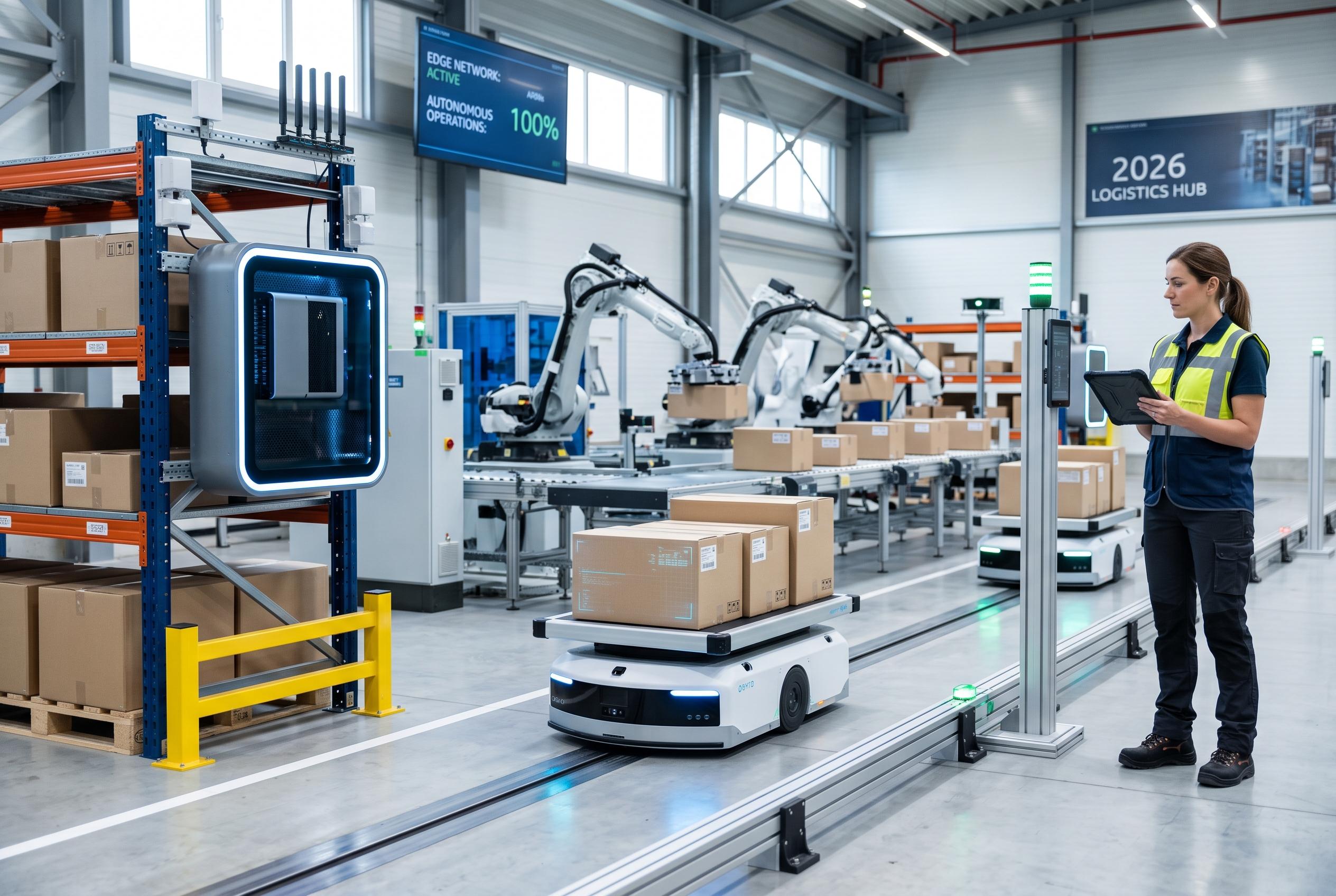

Forecasts indicate a rapid integration of AI into products, infrastructure, and daily tasks by 2026, with emerging themes such as autonomous decision-making, edge intelligence, and responsible AI design shaping the industry landscape.
Artificial intelligence is moving from experimentation into broader deployment, and the latest forecasts suggest 2026 could be a year when several strands of development begin to converge. A list compiled by ThorstenMeyerAI.com points to nine trends the site says are likely to shape the market, including better generative models, stronger AI ethics controls, wider use of edge computing and deeper links between AI and connected devices. The picture that emerges is less about one breakthrough than about AI spreading into more products, more infrastructure and more daily tasks.
That view broadly matches other industry forecasts. In its 2026 technology predictions, IEEE says AI agents are likely to become standard in business settings to handle repetitive work, while AI-powered power grids and adaptive bio-AI interfaces could move further from concept towards practical use. Gartner has also identified a cluster of strategic trends for 2026 centred on AI-native development platforms, multiagent systems, domain-specific language models, physical AI and AI security platforms, suggesting that enterprise adoption will be driven as much by governance and resilience as by raw capability.
Several of the themes in these forecasts are already visible. TechTarget and N-iX both point to the rise of agentic AI, more autonomous systems that can make decisions or coordinate actions with limited human input. They also highlight the shift towards edge intelligence, where AI runs closer to the device rather than in distant data centres, improving speed and reducing reliance on constant connectivity. Other recurring themes include synthetic data, responsible AI by design and a stronger focus on inference, the stage at which a trained model is put to work rather than trained again.
The more ambitious claims remain harder to verify. Forecasts about AI transforming healthcare, finance, creative work and manufacturing are plausible, but the pace will depend on regulation, technical reliability and public acceptance. Thorsten Meyer, an AI researcher quoted in the list, said: “Many of these trends are already emerging, but their full impact will become clearer as we approach 2026.” That caution is important. Some of the biggest changes may arrive gradually, through software updates, infrastructure investment and incremental automation rather than dramatic public launches.
For businesses, the practical lesson is to prepare for a narrower set of near-term shifts: more agent-based tools, more AI embedded in devices and more pressure to prove systems are secure, explainable and compliant. The companies most likely to benefit will be those that can combine deployment with controls, especially as AI becomes less of a standalone product category and more of a layer across existing services.
Disclaimer: This content is intended for informational purposes only. Readers are advised to exercise their own judgement, conduct due diligence, or consult a qualified expert before acting on any information provided.