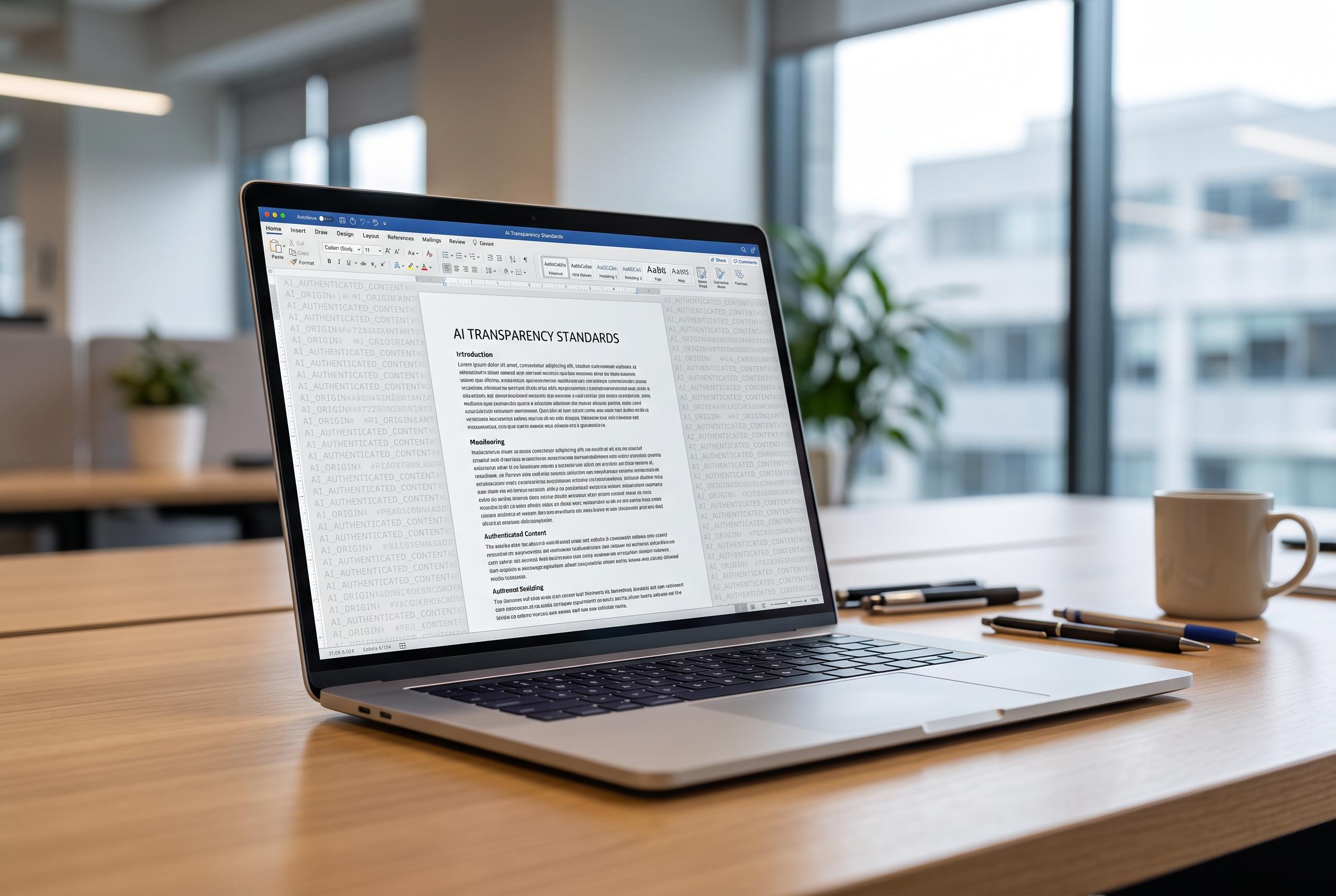

Anthropic is embedding machine-readable watermarks into texts generated by its Claude AI model following new European Union transparency regulations, marking a significant step towards standardising detection of AI-produced content.
Anthropic has begun adding machine-readable watermarks to text generated by Claude as it adjusts to new European Union transparency rules, according to an updated support page from the company. The change is tied to the EU AI Act’s transparency requirements for AI-generated content, which came into force on 2 August and are meant to make synthetic material easier for other digital systems to identify.
Under the new approach, Anthropic says models launched on or after that date will automatically embed watermarking technology in generated text and attach signed provenance metadata to supported file exports. The system is being applied across Claude and on partner platforms including AWS, Google Cloud and Microsoft Foundry, while older models are expected to gain support during a transition period allowed under the rules.
The company is also extending provenance tracking to files such as SVG, PNG and JPG by using the Coalition for Content Provenance and Authenticity standard, or C2PA. That standard is designed to preserve origin information and help detect tampering. Anthropic’s Thariq Shihipar said on X that other labs are adding similar features because it is difficult to identify AI-generated text and watermarking gives users better tools to do so.
The watermark is designed to survive some forms of copying, pasting and editing because it is built into the text itself, according to Anthropic’s support page. Axios reported that the company has also pointed to limits in its detection technology, suggesting that the system improves transparency but is not a complete solution. The move comes as more AI developers prepare for the EU’s wider compliance deadlines, which are expected to push the industry towards clearer labelling of synthetic content.
Disclaimer: This content is intended for informational purposes only. Readers are advised to exercise their own judgement, conduct due diligence, or consult a qualified expert before acting on any information provided.