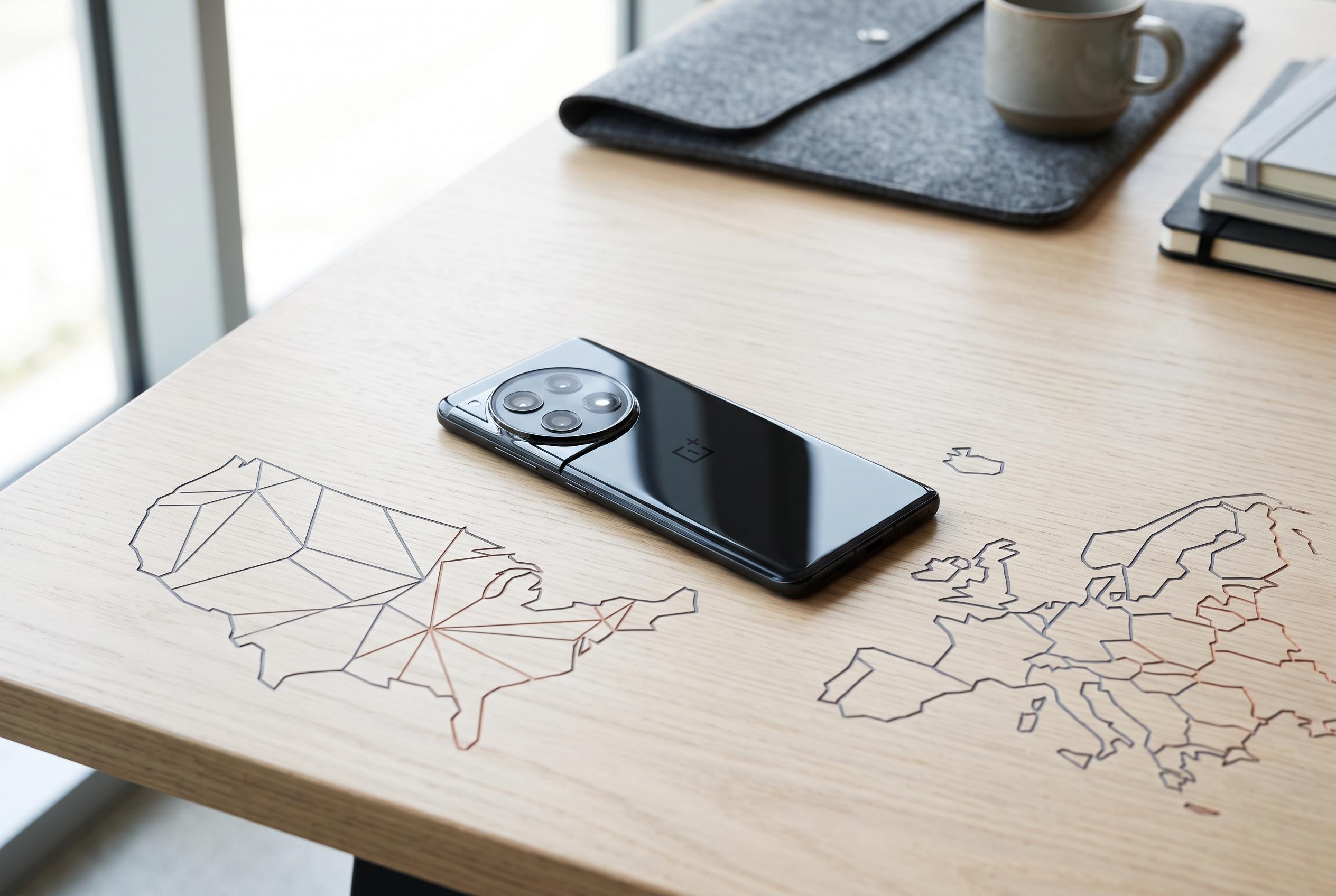

OnePlus has confirmed its withdrawal from launching new smartphones in the US and Europe, marking a significant strategic shift and a retreat from a once promising expansion aimed at challenging dominant flagship rivals.
OnePlus has confirmed that it will stop launching new smartphones in the US and Europe, marking a sharp retreat for a brand that built its reputation on high-spec Android phones at aggressive prices. According to reports from TechSpot, TechCrunch and Android Central, the company will continue to support existing owners with software updates and after-sales service, but its future in those markets as a device maker is effectively over.
The decision closes a chapter that began in 2014, when OnePlus entered the market with the OnePlus One and challenged the idea that a flagship phone had to cost well over $600. The brand’s early appeal was simple: fast performance, clean software and premium hardware at a lower price. That formula won it a devoted following and helped it move from an enthusiast favourite to a serious rival for Samsung and Apple.
Its rise also exposed the structural difficulty of competing in the US smartphone market. Large carriers dominate sales, financing and shelf space, and they already have deep commercial relationships with the biggest brands. OnePlus managed to secure carrier presence over time, but it never reached the scale of its larger rivals. The result was a company that remained visible without ever becoming a true mainstream force.
OnePlus also changed its product strategy as it matured. The company broadened its line-up, pushed more expensive models and improved areas where it had once lagged, particularly cameras. It partnered with Hasselblad on imaging for the OnePlus 9 series and later introduced the foldable OnePlus Open, which was widely seen as one of its most competitive devices. At the same time, features such as Dash Charge and the streamlined OxygenOS interface became part of the brand’s identity.
Now the brand appears to be undergoing a wider reset under parent company Oppo. Reports from multiple outlets say OnePlus is also replacing OxygenOS with Oppo’s ColorOS in future updates, a notable shift for users who valued the cleaner, faster software experience. Existing customers are expected to keep receiving support, but the move suggests a tighter integration with Oppo’s wider mobile strategy.
For US consumers, the exit narrows an already concentrated Android market. Samsung and Google are likely to retain the premium segment almost by default, while Motorola, HMD and others remain stronger in the budget and mid-range categories. That leaves fewer options for buyers looking for a high-end Android phone that competes on price as well as performance. OnePlus may not have rewritten the market alone, but its departure removes one of the few brands willing to pressure the bigger players on value, charging speed and overall hardware balance.
Disclaimer: This content is intended for informational purposes only. Readers are advised to exercise their own judgement, conduct due diligence, or consult a qualified expert before acting on any information provided.